Understand the Parts
Review how pooled water is removed, how damp materials may be checked, when drying equipment could follow, and what records describe the work.
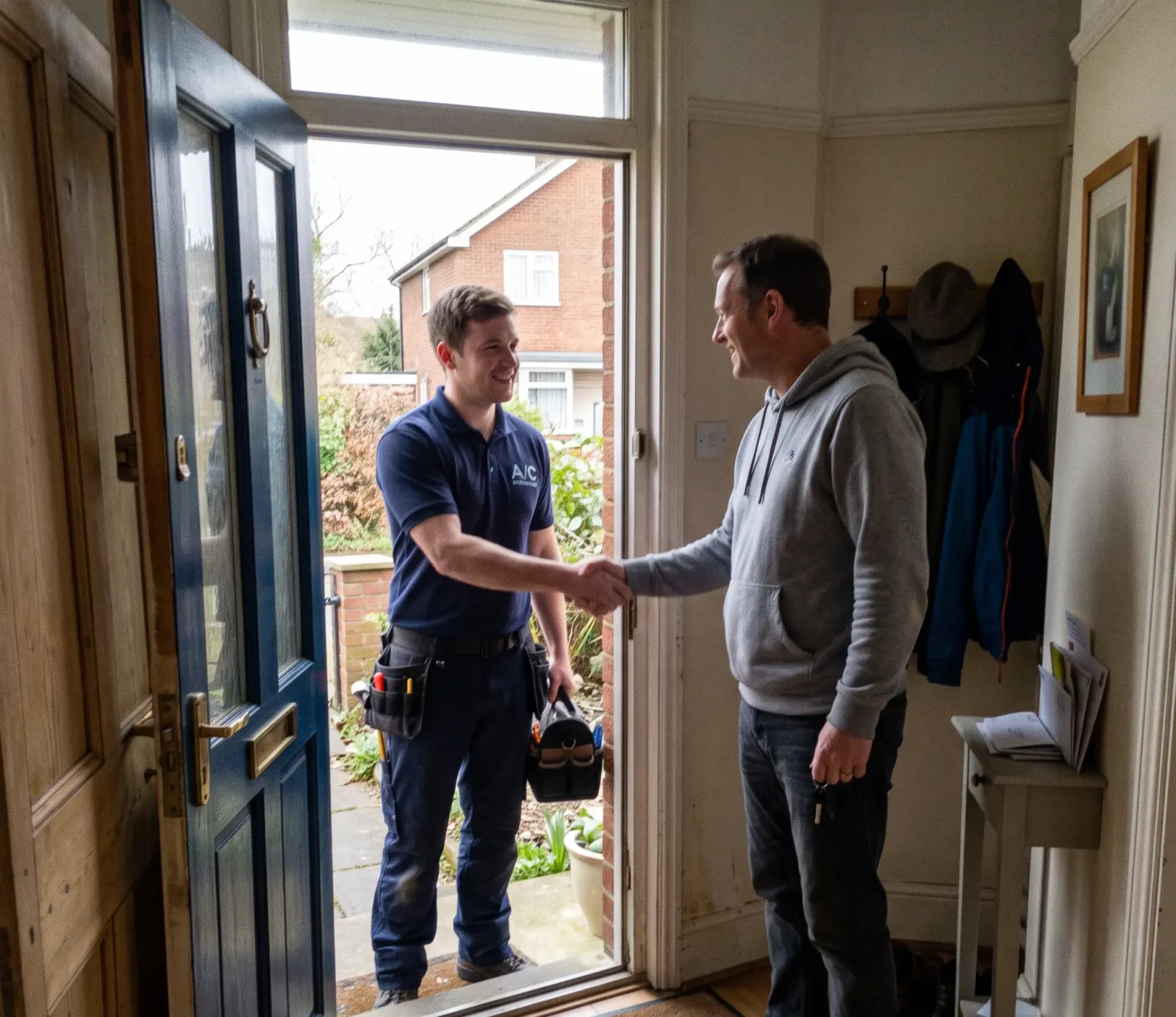
Check the affected rooms, then establish who answers the call. This site connects people in Spokane Valley with independent local professionals for Emergency Water Extraction; it does not operate service crews. A homeowner can describe the address, what is wet, and whether water is still entering, then ask the pros we connect you with about their service area and current availability. Highway 290 and Otis Orchards East Farms help place the local context, but neither tells a caller whether a specific address is covered. Confirm timing and any visit charges directly.
Emergency Water Extraction means removing standing water from an affected home or business. In Spokane Valley, a homeowner might find water across a utility room floor or pooled beside an entry; that visible water is the immediate removal concern. Water can settle in low areas, leaving smaller pockets beyond the largest visible pool. Water removal alone does not establish that flooring or other materials are dry, and it does not repair the leak or source. Ask which work falls within the extraction scope and what would need separate attention.
The referral line helps an owner understand who handles the work and where its boundaries sit. In Spokane Valley, the site connects people with independent local professionals; it does not employ service crews. Moisture may remain inside wall cavities or beneath flooring even when the room’s exposed surfaces look dry. Ask for a written scope that separates water removal from source repair, contaminated-water cleanup, or reconstruction. An estimate and work notes can help an owner explain the job to an insurer. The same referral model serves Liberty Lake and Otis Orchards East Farms.
A sudden splash, a persistent drip, or a floor that feels slick can be the first sign of water indoors. In Spokane Valley, cold-season freezing is part of the local climate, but the cause at a particular home still needs to be identified rather than assumed. A musty odor or discoloration can point to water that is no longer visible on the surface. A homeowner near Cannon Hill Park can report what is visible and audible; the extraction provider handles removal, while source repair is separate.
Belongings in the affected area may need attention too, so note what should be protected or moved. Clarify whether the visit includes only standing-water removal or also moisture assessment, drying equipment, or another service; those can be separate scopes. A homeowner near Lincoln Park may also want to ask what records the provider can supply, such as photos, moisture readings, or a written scope, to share with an insurer. Documentation can help explain the work and remaining concerns, but does not establish claim approval.
For a Spokane Valley address, pin down the practical terms with the pros we connect you with: whether they serve the location, when they may be available, and how soon they can visit. Ask whether an assessment has a charge and whether that is separate from the extraction estimate. If water remains in materials after removal, ask what follow-up assessment or drying would involve and who would provide it. The owner should also ask how any active source will be addressed, since extraction itself removes water without fixing the cause.
Choose the guide that matches the water situation, then ask the provider to explain the removal tasks, any visit fee, and follow-up options.
Review how pooled water is removed, how damp materials may be checked, when drying equipment could follow, and what records describe the work.
The home guide covers safety around pooled water, removal tasks, and details to settle before residential service begins.
Ask the provider to explain moisture check results, drying equipment, and any work description in words that make each task clear.
Use visible pooling, wet surfaces, or damp materials to identify which concerns need attention.
Washington does not issue a state license specifically for emergency water extraction. Water extraction removes standing water, while drying addresses moisture left in floors, walls, and other materials. Request the details in writing, along with a record of the areas entered and equipment used. That gives the owner a clear account of the visit if questions come up later.
The details in a request help route it to independent providers for a possible response. The site does not publish provider-specific selection standards, so an introduction is only a starting point. Check that the provider serves the address, whether in Spokane Valley, Otis Orchards East Farms, or Liberty Lake, then discuss availability and the work directly with that provider.
There is no site fee to request a connection. That does not set the provider’s charge for removing water, and the site does not establish what an insurer may pay. The work needed can depend on how much water remains and which areas need attention. Confirm payment terms directly with the provider.
The submitted details are used to help make a referral, and information needed to respond may go to the independent provider receiving it. A homeowner can describe the affected rooms and how to make contact without adding unrelated account, financial, or household details. The provider can then ask follow-up questions directly. The site does not state a retention period or a process for deleting submitted information.
No. A referral does not mean a provider has accepted the request, agreed to perform extraction, or scheduled a visit. In Spokane Valley, the owner should confirm directly with the provider whether the address can be served, when they might arrive, and what the visit covers. Do not treat a submitted form as an appointment or a promised arrival time.
When discussing a Spokane Valley request, start with what the owner can observe: the rooms affected, the materials that feel damp, and any nearby electrical equipment. Ask the pros we connect you with what the visit includes, whether a charge applies, and what timing may be available. Before work begins, review a written scope for water removal and any proposed moisture checks or drying. If belongings were in contact with water, note them separately from the affected building materials.
Call (509) 800-4628