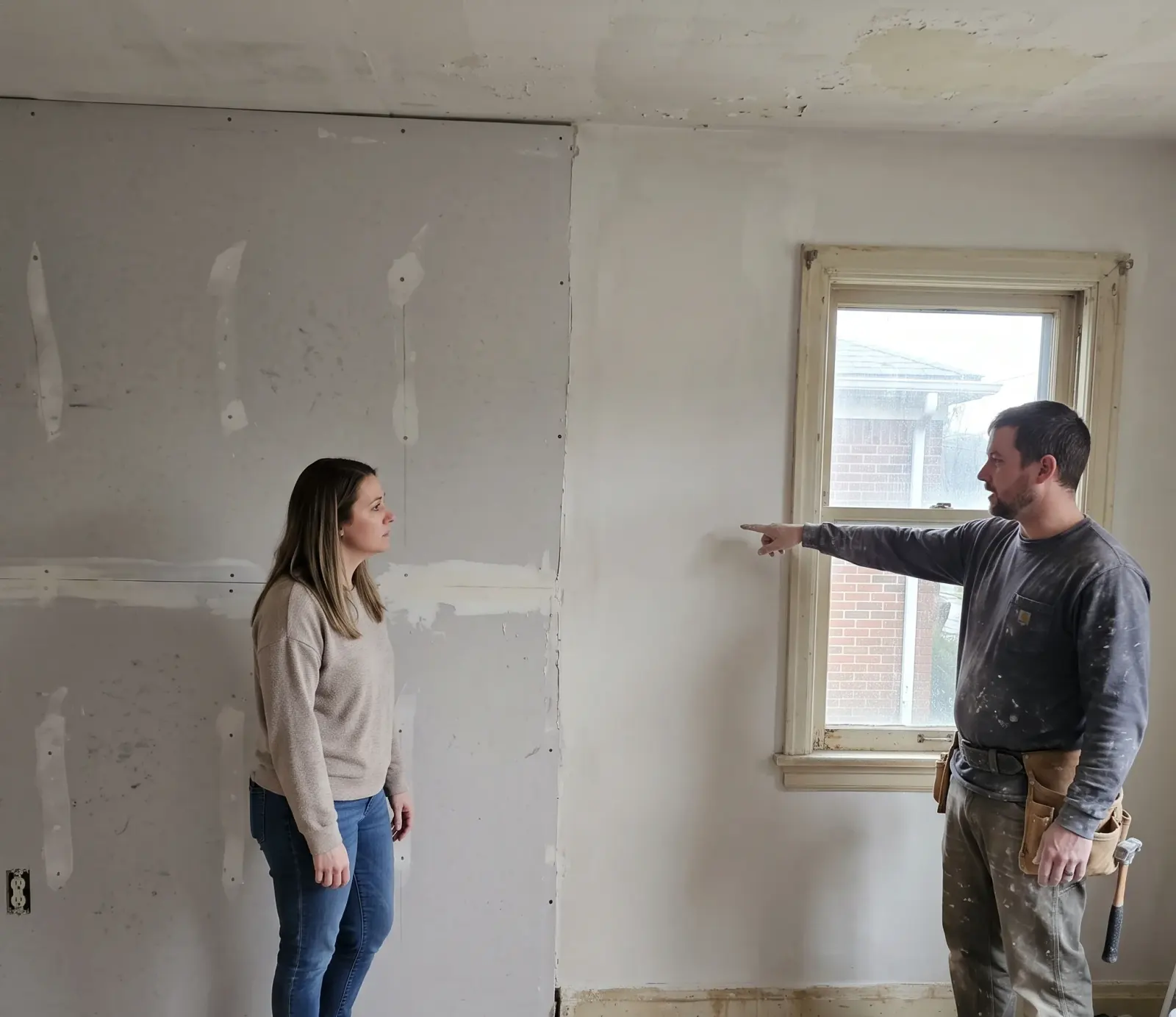
Walking Through Standing Water
Learn when walking through standing water in a Spokane Valley property is unsafe, what floor and electrical clues to watch for, and how to keep others clear.
Read article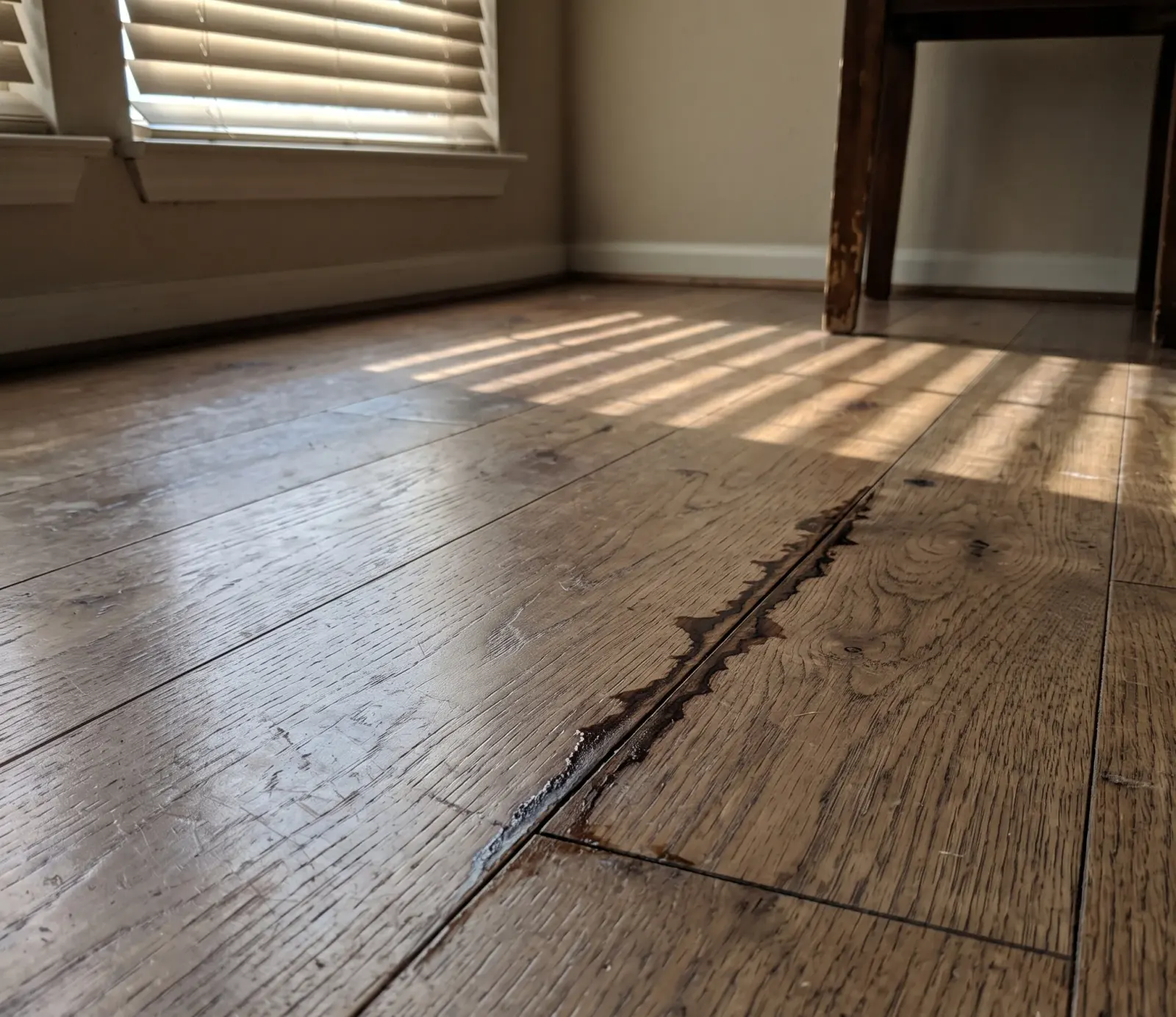
Hardwood surface water removal scoped to the boards, room, and water depth
In Spokane Valley, a burst supply line or a thaw-related leak can leave water shining across hardwood before the owner finds where it started. Boards near an entry may feel slick, while water gathers along a wall or at a room transition. Water may also work into seams between boards, leaving moisture hidden beneath a surface that looks mostly dry. The useful first details are where the water sits, how far it reaches, and whether it is still arriving.
The estimate for hardwood floor water extraction should describe the removal work and its limits before equipment is brought inside. In Spokane Valley, a narrow entrance, furniture in the affected room, or water spread across connected rooms can change how the pros we connect you with reach and work around the floor. They can check the finish and floor construction, record the visible wet area, and explain what moisture assessment would add. Ask for the work scope in writing so removal and follow-up costs stay distinct.
Across Spokane Valley, Hardwood Floor Water Extraction starts with where water has collected; homes near Town Square Park and Rocky Hill Park can present different removal needs as room conditions vary.
Use residential emergency water extraction to understand extraction for an owner-occupied household, and commercial emergency water extraction to read how the service applies to commercial or tenant-held space.
A shallow shine on the boards can still cover a broad area, while a deeper pool may be confined to one section. In Spokane Valley, tell the pro whether the water is a thin layer or stands high enough to touch the lower edge of nearby trim. That distinction helps describe the removal task and equipment access. Rugs and low furniture can hold water against the floor after the surrounding boards begin to look clear.
A board edge that sits higher than its neighbor, a dull patch in the finish, or seams that look darker than the surrounding wood can show that water has contacted the floor. These changes do not reveal the full condition beneath the surface. In Spokane Valley, describe which boards look different and whether the change appeared after a leak or a cold-weather plumbing problem. That detail helps the pro decide what to inspect while defining the extraction work.
Water can collect at a doorway or run beneath a rug, making the visible wet patch smaller than the affected floor area. In Spokane Valley homes with connected rooms, note each transition where the sheen or dampness changes, rather than describing only the room where water first appeared. Keep foot traffic off the wet boards when possible; tracking water can obscure the original boundary and create a slipping hazard. Include any rooms that may need separate moisture checks.
The pro records the floor type, visible changes, and rooms involved, giving the Spokane Valley estimate a clear starting boundary.
They check water depth and access around the boards, then explain which removal method fits the floor and room layout.
Standing water is removed from the hardwood surface, with care around seams and transitions that define the affected area.
The owner reviews written removal notes and asks whether moisture assessment or drying should be scoped as follow-up work.
Hardwood construction and finish affect how water behaves at board seams, so the visible surface is only one part of the scope. In Spokane Valley, a sudden winter leak may leave a homeowner comparing an obvious wet patch with subtler edge changes elsewhere. Extraction is the immediate removal task; moisture assessment can identify concerns that need a separate drying plan. A written scope helps distinguish those steps and keeps the estimate focused on the floor work requested.
A useful estimate separates hardwood floor water extraction from later decisions about the floor. The pros we connect you with can list the rooms and visible areas included, the removal method, and any moisture assessment proposed after the surface water is gone. A Spokane Valley homeowner can ask for written notes describing what was removed and what remains uncertain. This gives the owner a clearer record to share with an insurer and makes it easier to compare scopes.
On a Spokane Valley hardwood floor, note where water is pooling, how far it spreads, and whether the boards are solid or engineered; those details shape an extraction estimate. A pro may use a wet vacuum for surface water and list the rooms and floor sections included. Greater depth, more rooms, tight access, and floor construction can change the labor and equipment in scope. Describe visible cupping or a dull finish, too. Near Lincoln Park or Hill Park, ask for the written scope; moisture assessment and drying are follow-up work.
In Spokane Valley, a Hardwood Floor Water Extraction estimate is a starting point; around CenterPlace, ask the pros we connect you with to price the visit and define removal work on paper.
| Spaces Reached | Pooled Water Removal | Moisture Afterward |
|---|---|---|
| Minor accumulation | Localized interior water pickup from a clearly reachable section | an estimated $600–$2,200 |
| Defined section | Visible water pickup across the covered interior footprint | an estimated $690–$2,860 |
| Connected sections | Accessible pooled water cleared from the included interior section | an estimated $600–$2,200 |
| Property scope | Extraction of visible floor water in the scoped work area | an estimated $1,440–$8,800 |
A quote for removing water does not automatically include stopping its source, sewage cleanup, mold work, or rebuilding. Ask the provider to identify any of those tasks separately and note material upgrades. The full pricing guide can help clarify how added work changes the overall scope.
The estimate should identify the rooms and floor sections included, the water removal work, and any assessment proposed afterward. In Spokane Valley, access through the home and whether the affected boards connect into other rooms can change the work plan. Ask the pros we connect you with to put those boundaries in writing, along with any separate charges for moisture assessment or drying, so the removal estimate is clear.
Ask for the estimate to say how the hardwood floor water extraction will be carried out, which areas it includes, and what conditions could change the scope once work begins. A Spokane Valley owner should also ask whether checking moisture in nearby materials is included or separately arranged. Written notes make it easier to see what the quoted removal covers and what would require a new decision.
Extraction can remove water sitting on the hardwood, but it cannot promise that the boards or finish will look as they did before. The result depends on how long the floor was wet and how the wood and finish respond. In Spokane Valley, ask the pro to record visible changes before removal and explain what moisture assessment may reveal afterward; restoration or repair is a separate decision.
Solid and engineered hardwood have different constructions, so the pro should identify which kind is present before describing the removal scope. If the owner has product paperwork or knows how the floor was installed, that information can help. In Spokane Valley, also point out whether water reached seams, edges, or transitions. The estimate should state what the extraction addresses and leave any floor repair as a separate scope.
Share when the water was noticed, whether it is still coming in, which rooms and board sections look wet, and how deep the visible water is. Mention nearby furniture or a restricted entry that could affect access. A Spokane Valley homeowner can also note whether the floor is solid or engineered and describe any changes in the finish. These details help the pro prepare a more useful written scope.
Water can remain in materials below the boards after the surface pooling is removed. The approach depends on water depth and floor construction. When requesting help in Spokane Valley, describe the board type, visible pooling, and affected rooms; a homeowner near Otis Orchards East Farms or Liberty Lake can include that location context. Extraction removes visible water, while later moisture checks help identify damp materials.
The estimate band for Emergency Water Extraction is $700–$1,400 per visit. The pros we connect you with confirm it after weighing water volume, affected materials, site access, and requested work.
Note visible conditions and affected areas to help frame a discussion about the removal scope.
Learn when walking through standing water in a Spokane Valley property is unsafe, what floor and electrical clues to watch for, and how to keep others clear.
Read article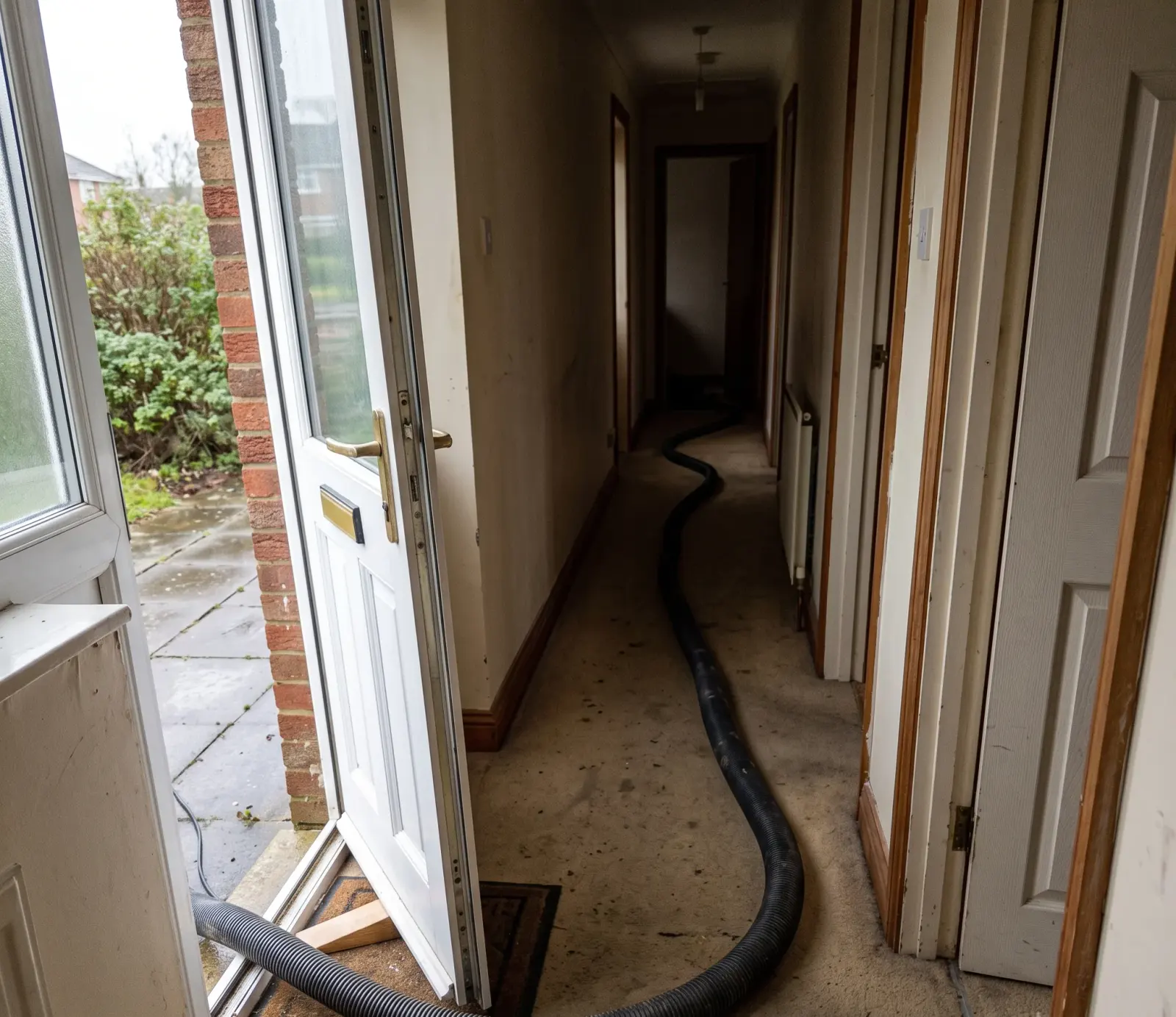
How quickly can an extraction provider reach a Spokane Valley home? Learn how seasonal conditions, location, and current availability shape the estimate.
Read article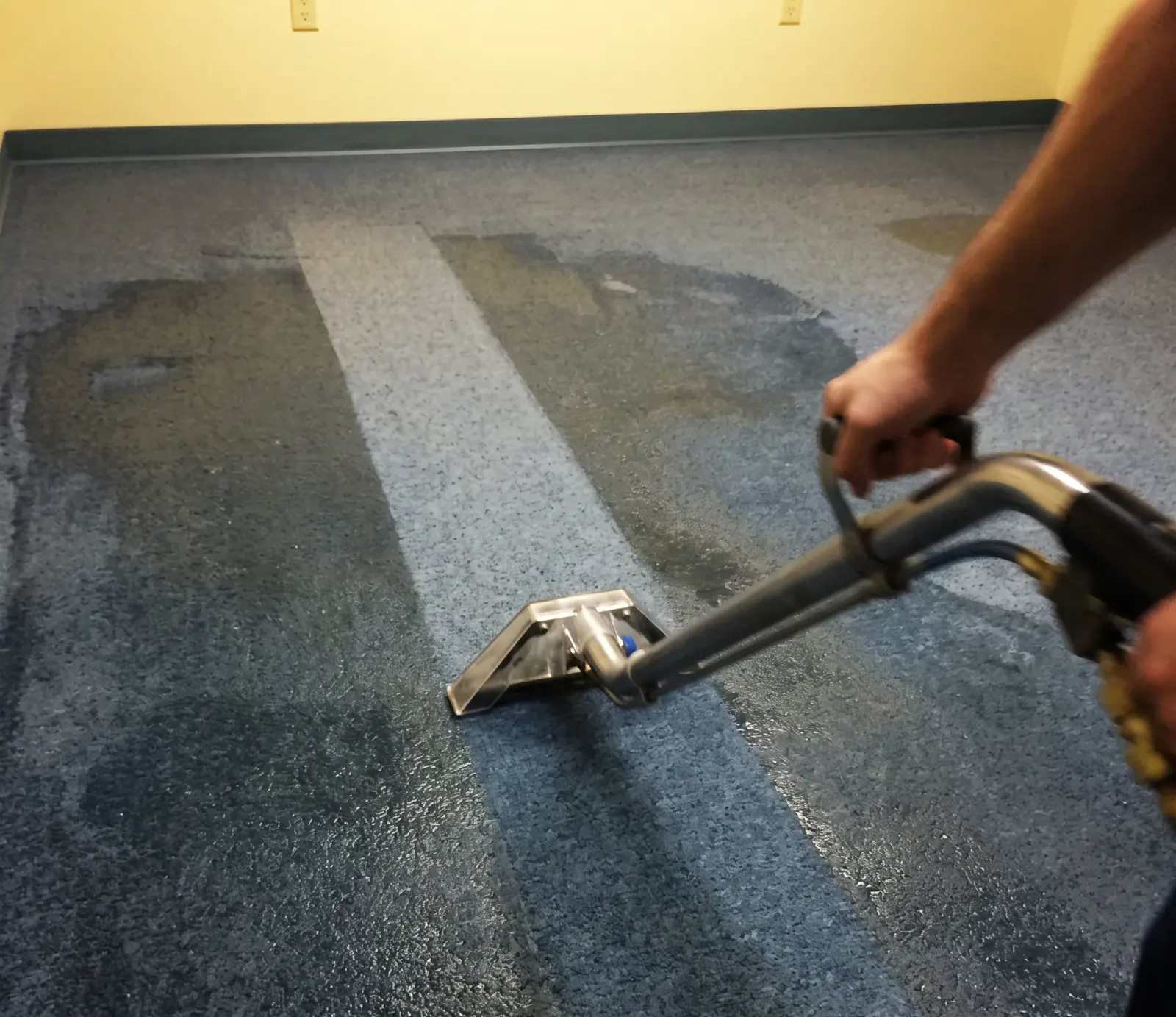
How long does emergency water extraction take in Spokane Valley? See what changes the estimate and what details to share with local pros.
Read articleService coverage can vary by address, even within the same broad area. A homeowner near U.S. Route 2 in Spokane Valley can share the nearest cross street, the room involved, and whether water has reached flooring or stored belongings, then ask if the request falls within the provider’s service area. Confirm possible timing and any visit fee before scheduling. The written scope should identify the water removal work and note any separate assessment or drying that may be recommended.
Call (509) 800-4628