Water Sources
Emergency Water Extraction for Spokane Valley Homes
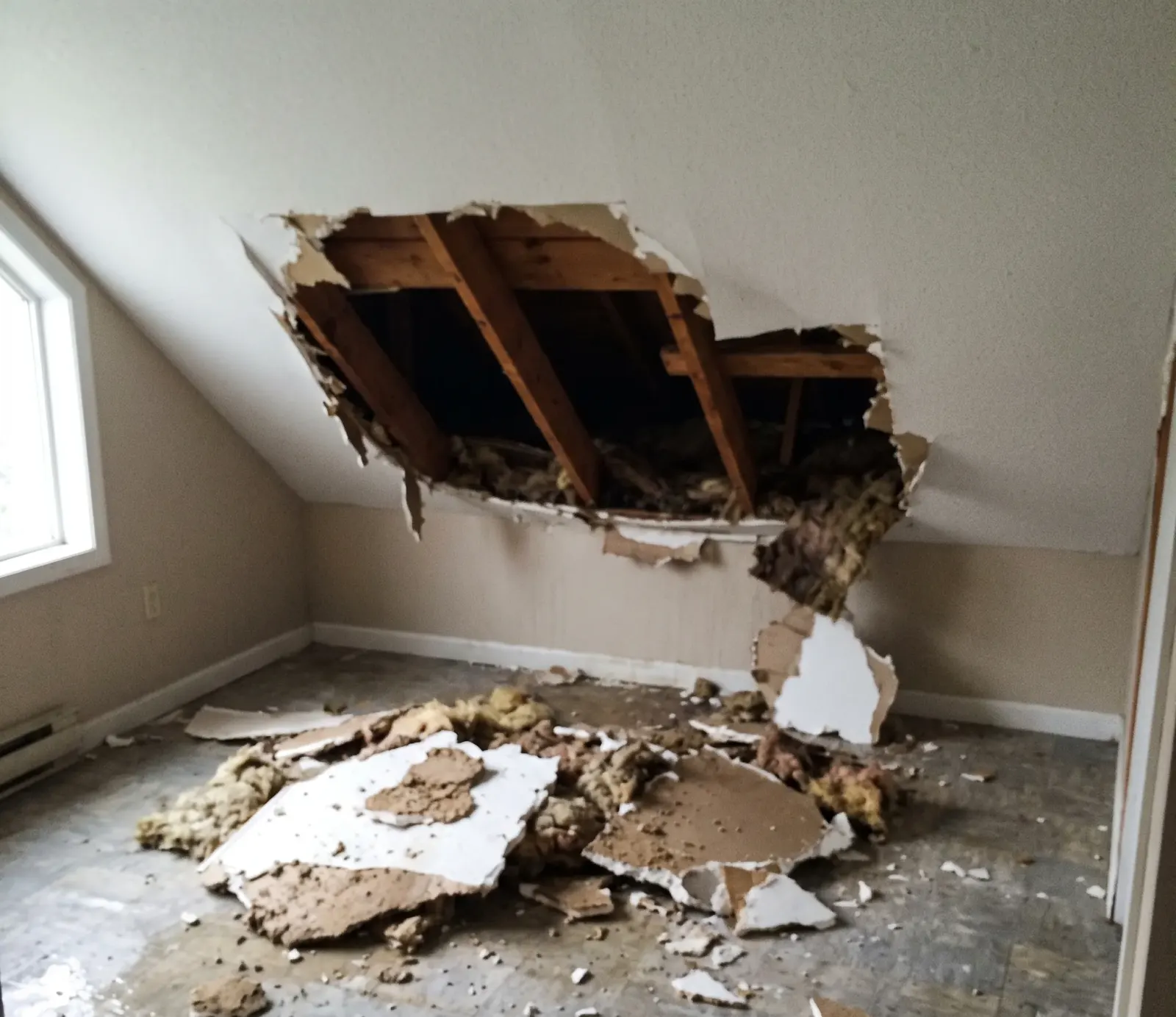
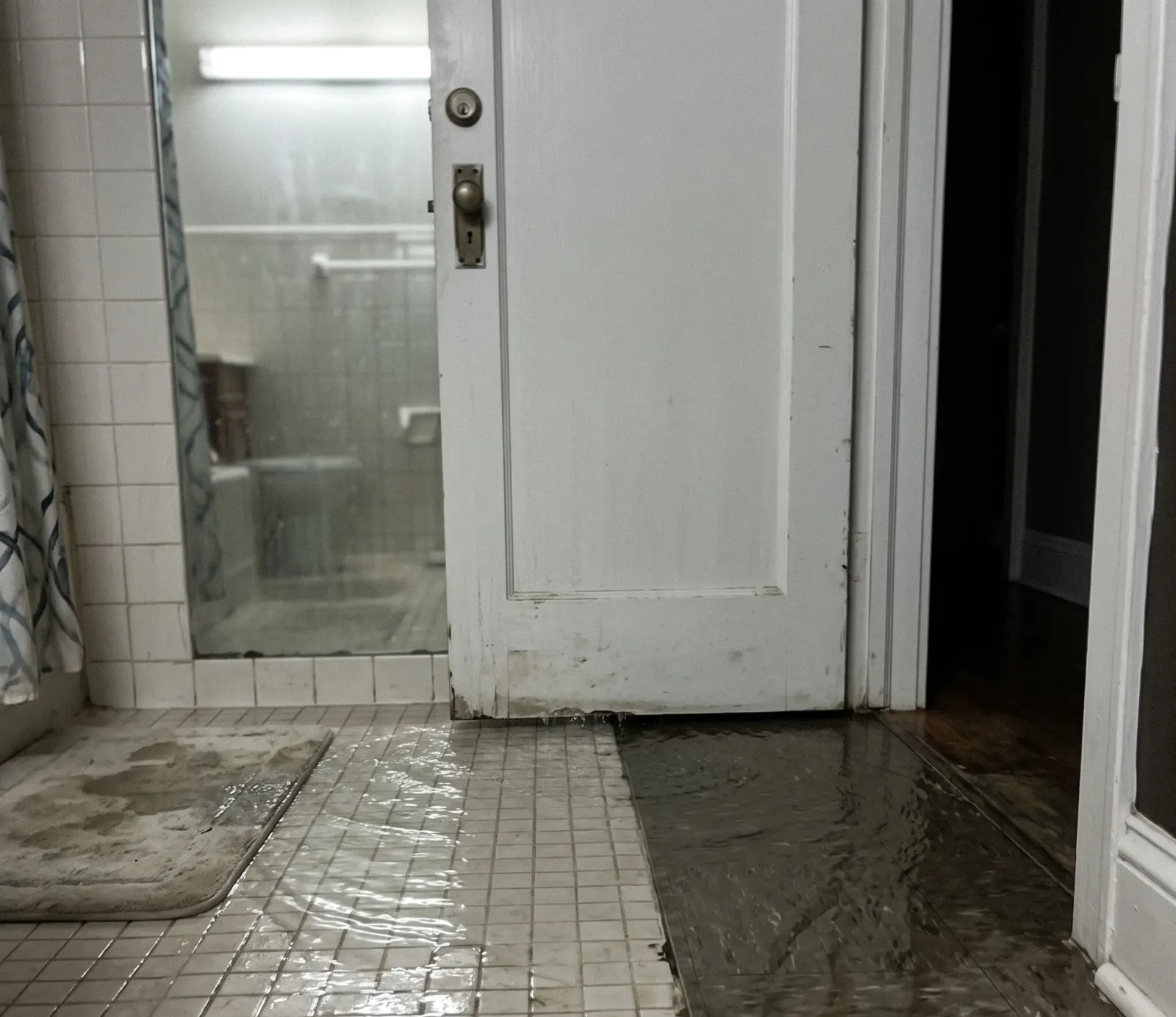
Start by noting where water is visible, what materials it touches, and whether anyone can reach the area safely. Water may travel along a floor before settling at a low point. That work clears pooled water; it does not settle what is happening inside damp materials. A homeowner in Liberty Lake or near Otis Orchards Library can use those observations to describe the affected rooms, while treating nearby water features as context only—not proof of risk at a particular address.
WORK AREA
An active source can affect the removal plan. In Spokane Valley, Emergency Water Extraction removes accessible standing water; water damage restoration may include separate moisture assessment and drying. The estimate should spell out the removal scope. The amount pooled, access to affected areas, and need for further moisture work shape the approach and $700–$1,400. The same scope questions apply in Otis Orchards East Farms and near Otis Orchards Library.
When the standing water is gone, a surface can look clear while moisture remains in flooring or other building materials. Extraction alone cannot establish that the property is dry. For a Spokane Valley owner, the next step may involve a separate moisture assessment and drying equipment; source repairs or restoration work also need a defined scope. Before agreeing, ask: Does this estimate cover extraction only, and are assessment or drying charges listed separately? What areas will be checked after removal?
YOUR QUESTIONS
Extraction FAQs
What shapes the extraction plan and the estimate for my home?
Changes in a door’s finish or fit can be signs of moisture near the opening. In Spokane Valley, whether an address is by Mirabeau Point Park, Greenacres Park, or Avista Stadium, a moisture assessment can show if materials still need drying equipment. Treat extraction and drying as separate parts of the work, and ask the pros we connect you with to describe what their scope includes.
How do water conditions and affected materials change the work?
The water’s condition and the materials it reached both affect what belongs in the removal scope. Water that may include sewage or chemicals calls for disclosure before work begins because contaminated-water cleanup is a distinct service. Carpet, flooring, and wall materials can also retain moisture after visible pooling is gone. For a Spokane Valley property near Mirabeau Point Park, the actual source and affected surfaces matter more than its location.
Does water extraction leave floors and walls ready to use?
No. Water can also move into nearby rooms through doorways or along shared flooring. A surface may look clear while moisture remains inside materials, so drying equipment can be a later part of the work. In Spokane Valley, ask for the removal scope and any proposed drying scope to be described separately, especially when several rooms are involved.
When is a moisture assessment useful after water is removed?
An assessment can help when a room appears dry but flooring, wall edges, or other materials may still hold moisture. The findings can identify areas where drying equipment may be appropriate and clarify what remains after extraction. At a Spokane Valley home near Avista Stadium, an assessment is useful when appearance alone leaves uncertainty about damp materials; it does not itself repair the leak or restore affected finishes.
Start Water Removal Help
Choose a Next Step for Pooled Water
A wet basement in Spokane Valley and water across a business floor may involve different rooms, materials, and access needs. Tell the pros we connect you with whether the property is a home or workplace, where water is visible, and what flooring or belongings are affected. Ask what the urgent removal visit covers and when it may be available. The estimate should distinguish taking out standing water from moisture assessment, drying equipment, or other work that may be considered afterward.
Call (509) 800-4628