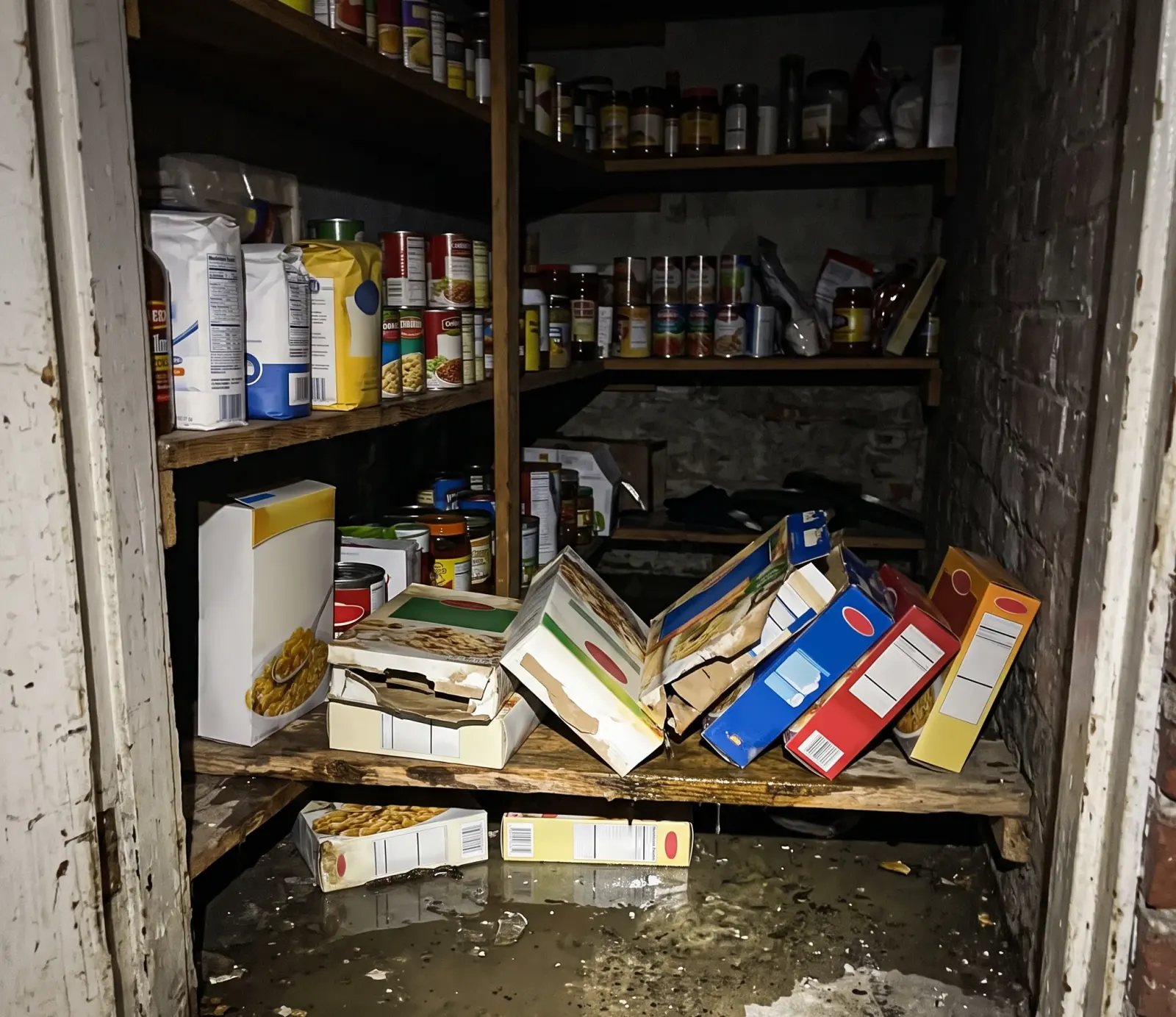
Basement Water Extraction
A safe first assessment sets the pump-out sequence for Spokane Valley basements
View Basement Water Extraction help in Spokane Valley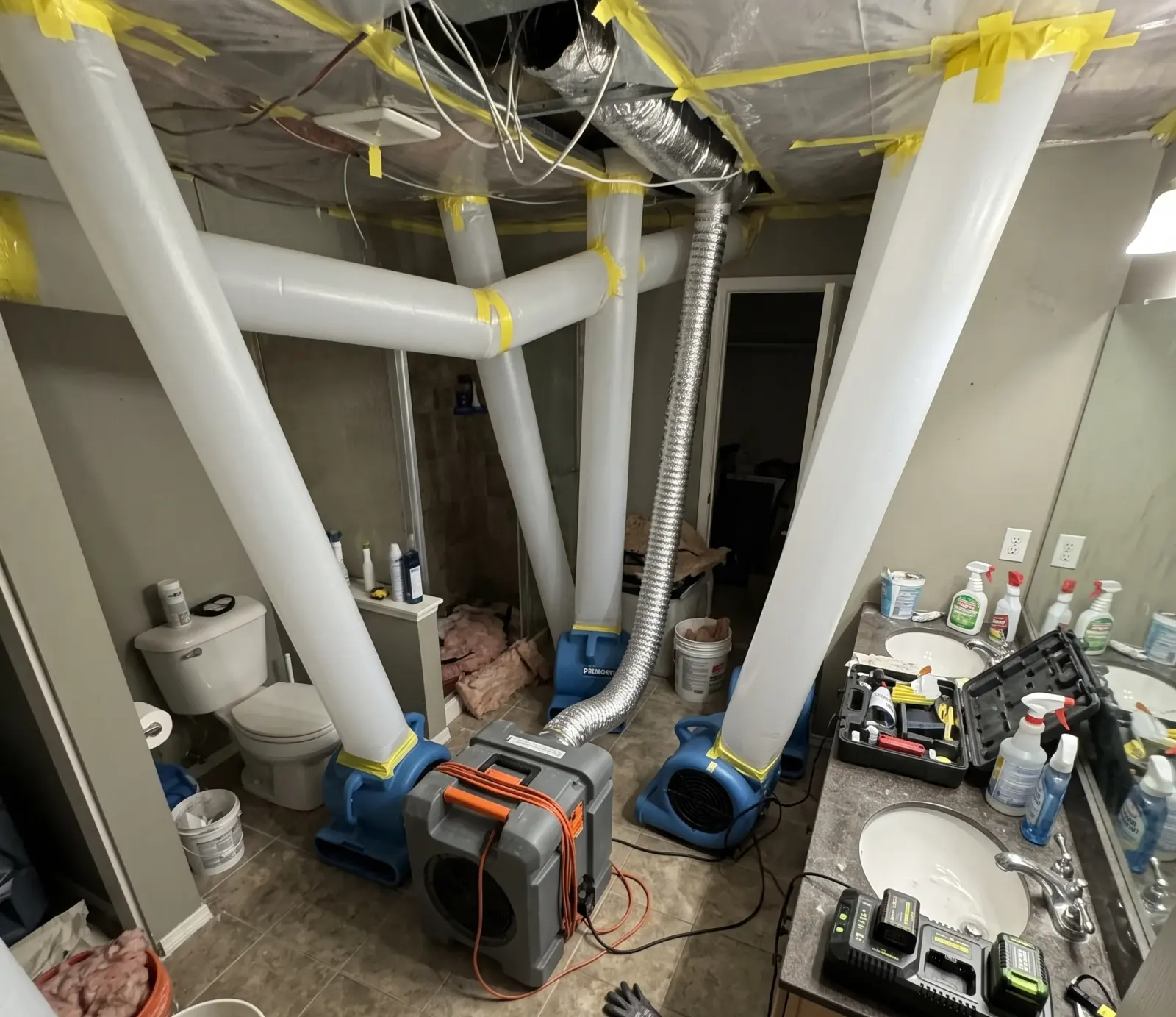
In Spokane Valley, begin with the source, then note where water is visibly collecting and which rooms are affected. A leak that continues to feed a floor or basement needs separate attention while extraction is arranged; removal addresses water already pooled. A homeowner near Greenacres Park might describe water crossing a utility-room floor, while a business near Mirabeau Point Park may have a different affected area. Water can remain under rugs or stored items, so the visible edge of a wet area may not show its full spread.
Look at what remains before choosing the next scope. Water collecting on a hard floor fits standing-water removal; a cool patch, softened baseboard, or damp carpet after the pool is gone raises a different question about moisture inside materials. In Spokane Valley, tell the pros we connect you with which rooms were wet and whether water is still entering. A Greenacres Park-area basement and a room in a home near the Regional Event Center can show different signs, so describe what you observe instead of assuming one service covers every step.
Begin with what is visible: water across a basement floor, a soaked carpet edge, or pooling around stored items. In Spokane Valley, a home or business may need standing water removed from affected areas; the surfaces reached help describe that work. Mirabeau Point Park, Greenacres Park, and Avista Stadium are local reference points when identifying where help is needed, but a landmark cannot show what is wet indoors. Once visible water is gone, flooring or wall materials can still feel damp. Water may also collect beneath furniture or stored items, so the visible edge does not show the full affected area.
A homeowner can review the in-home process through residential emergency water extraction, while a landlord or business operator can check property-specific details on commercial emergency water extraction.
The related guides describe pooled water removal, its limits, and concerns that can remain afterward.
A safe first assessment sets the pump-out sequence for Spokane Valley basements
View Basement Water Extraction help in Spokane Valley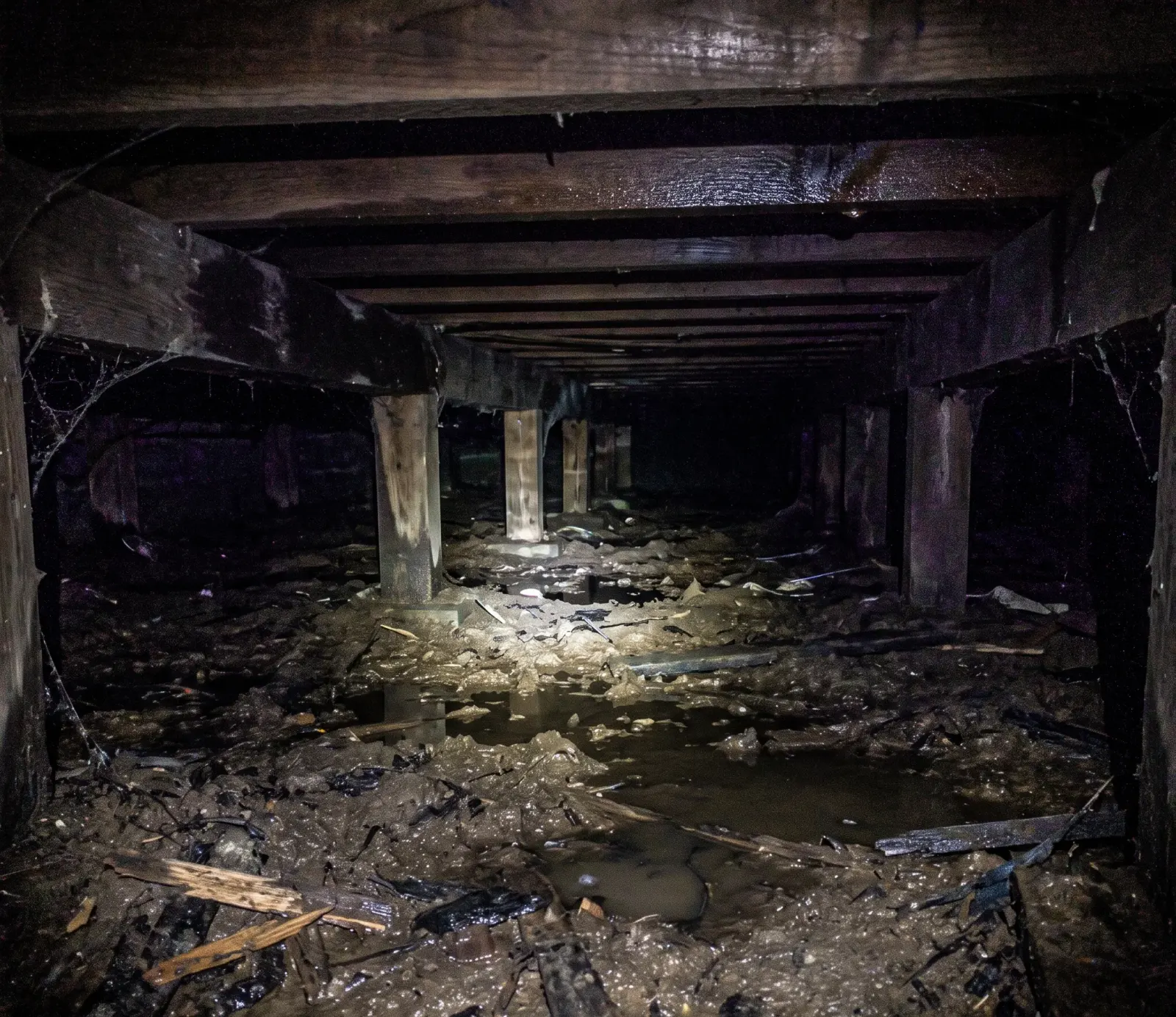
Plan crawl-space water removal around entry, clearance, and safe equipment placement.
View Crawl Space Water Extraction help in Spokane Valley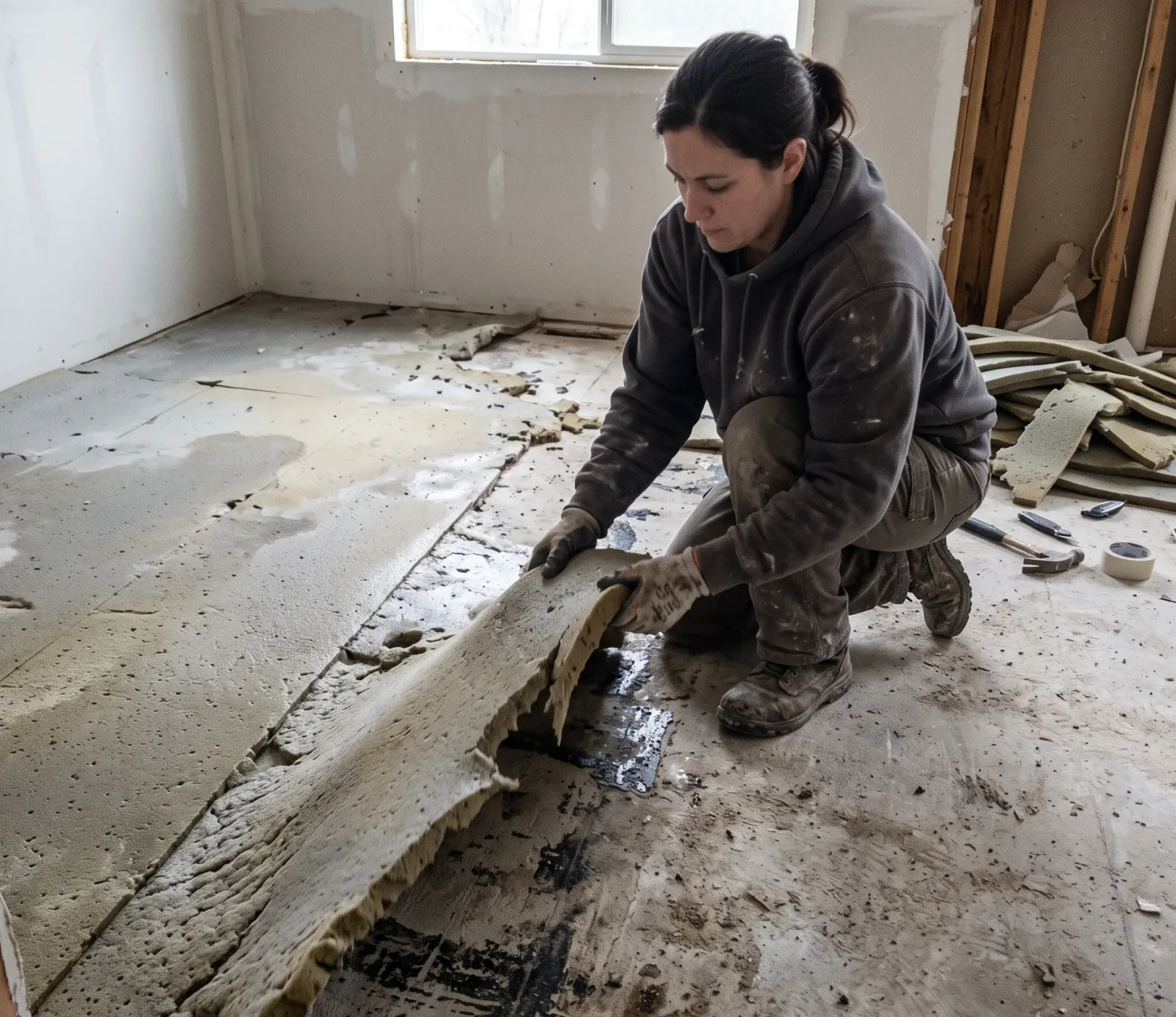
Carpet water extraction depends on access, pad condition, and the wet area’s reach
View Carpet and Pad Water Extraction help in Spokane Valley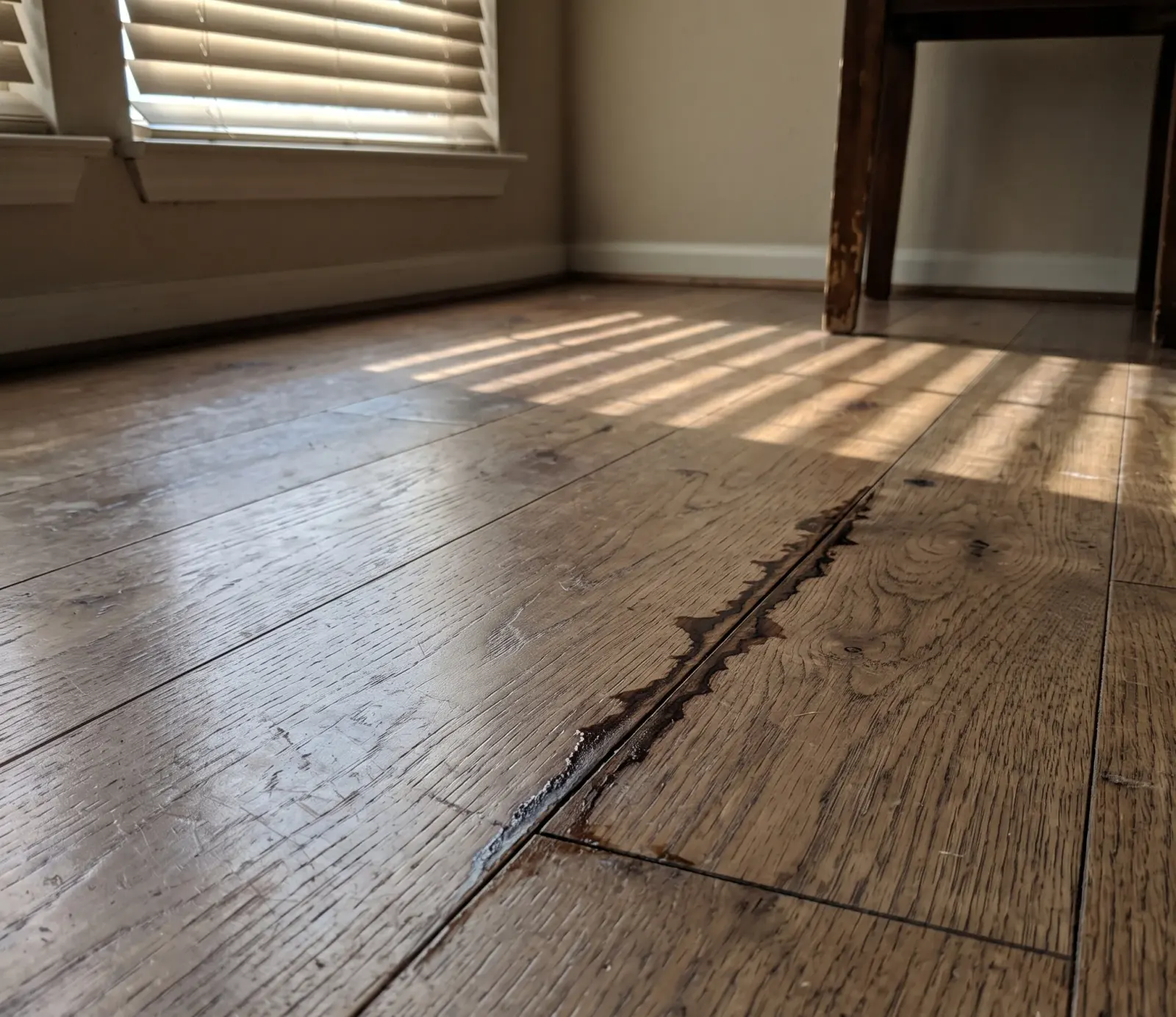
Hardwood surface water removal scoped to the boards, room, and water depth
View Hardwood Floor Water Extraction help in Spokane ValleyRead these guides for removal details, moisture concerns, and possible follow-up work.
Review how pooled water is removed, how damp materials may be checked, when drying equipment could follow, and what records describe the work.
The home guide covers safety around pooled water, removal tasks, and details to settle before residential service begins.
Ask the provider to explain moisture check results, drying equipment, and any work description in words that make each task clear.
Use visible pooling, wet surfaces, or damp materials to identify which concerns need attention.
In Spokane Valley, look first at how far the water has traveled and whether damage reaches multiple rooms or materials. Extraction addresses the immediate water in the building; restoration is a broader scope when affected parts need further treatment or repair. A small, contained area may need a narrower response, while damage extending into walls or built-in finishes calls for a wider assessment. A room-by-room list of affected contents can make the scope easier to discuss.
A clear account of affected rooms gives the owner a way to review the work afterward. Materials may still hold moisture afterward, so the next stage can include checking floors and walls and setting equipment where needed. In Spokane Valley, the owner can ask which rooms and materials were checked and how the provider will tell when that stage is finished. Those details help distinguish water removal from later drying work.
Removing water and correcting what brought it in are different tasks. A leaking pipe, appliance, or other source needs its own repair, and damaged finishes may call for separate rebuilding after the area is addressed. For a property in Otis Orchards East Farms, the estimate can spell out where extraction ends and whether repair work is proposed as another scope. Ask how changes to the work plan will be discussed if hidden damage is found.
Give the pros we connect you with the property address, where water is visible, which rooms are affected, and when the problem was noticed. Describe the source if known and mention any steps already taken. An address near Otis Orchards Library can help identify the location clearly. Photos of affected areas may help explain what the owner sees. Request an estimate that names the removal work and notes concerns that may need a separate follow-up.
Treat any spark, shock, or burning odor as a reason to back away. Water can make electrical equipment unsafe even when nothing appears damaged. Do not touch switches or unplug equipment while standing in or near water. Tell the pros we connect you with about the possible electrical concern before work is planned. If the area may also have structural damage, wait for it to be assessed as safe.
A pump or extraction machine may lower the visible water, while moisture checks can help show whether materials need further drying. When arranging service in Spokane Valley, ask what the initial visit covers, when a provider may be available, and whether that visit has a charge. Request a written description of the removal work and any proposed follow-up. Note any belongings in contact with water separately from the affected building materials.
Call (509) 800-4628