Emergency Water Extraction Warning Signs in Spokane Valley
Begin at the visible pool: record which room it is in, how far water has spread, and whether carpet, trim, or flooring feels damp past the edge. In Spokane Valley, a homeowner can give clear location details using a familiar area reference; calls around Liberty Lake may be identified by Town Square Park or Orchard Park. Those observations help define urgent extraction, which removes pooled water but does not trace its source or show that building materials are dry. Ask that moisture assessment and any proposed drying appear as separate steps on the estimate.
A homeowner may see a wet floor but cannot tell by sight how far water has spread. This page lays out removal of pooled water, factors that shape the visit, and questions to raise before work starts. Water removal alone does not show that materials are dry; ask what assessment or drying may follow.
If water reaches an outlet, cord, appliance, or other electrical equipment, do not cross that section or handle wet items; seek qualified help to judge whether it is safe. In Spokane Valley, a ceiling that bows or drops calls for distance while the area is assessed, since the visible damage may signal another hazard. Emergency extraction removes water but does not fix the cause or confirm that materials are dry. Ask the pros we connect you with for an estimate that lists removal and any proposed assessment or drying as distinct steps.
Signs of water intrusion needing urgent removal
Seek prompt guidance when water keeps advancing, electrical items may be affected, or delay could expose more flooring and belongings to water.
| What appears | What it could mean | When to respond | See further details |
|---|---|---|---|
| Standing Water on Indoor Floors On an indoor floor in Spokane Valley, the water forms a reflective pool or thin sheet, with an irregular boundary around table legs, cabinets, or floor joints. It may be transparent, grayish, or brown and can leave a damp line at the edge. The surface looks slick; shallow water may show the floor pattern beneath it. | First check whether water is still moving across the floor, then note its depth and proximity to outlets or appliances. Water can seep beneath flooring and remain there after the surface appears clear. The owner should avoid areas with possible electrical danger and contact the pros we connect you with. Extraction alone cannot confirm flooring is dry. | In Spokane Valley, whether a home is near Highway 290 or Otis Orchards East Farms, water left through an evening and overnight can keep wetting floor materials and nearby surfaces. A pool close to outlets also warrants avoiding that area until electrical safety is clear. | Ask on the call |
| Water Spreading Into Adjacent Rooms In a Spokane Valley home near CenterPlace, the sign may appear as a narrow shine or shallow pool crossing a doorway, with an irregular edge along the floor. It may follow seams between boards or tiles. The surface can look darker than the dry floor and feel damp or slick underfoot. | Check the doorway first, then note whether water is still moving into the next room. In Spokane Valley, that spread shows the affected area has crossed the original room boundary. Tell the pros we connect you with which rooms are wet and ask whether extraction is needed; removing pooled water does not address moisture left in materials. | Near Thorton Murphy Park or elsewhere in Spokane Valley, water can keep enlarging the wet area while it continues moving between rooms. Flooring and wall materials may hold moisture after pooled water is removed, so an extraction assessment can help identify what still needs attention. | Ask on the call |
| Water Pooling in Multiple Rooms In Spokane Valley, this sign appears as distinct puddles or thin, reflective sheets on the floors of multiple rooms. Their edges may collect at thresholds, beneath furniture, or beside baseboards. The water may look clear, cloudy, or discolored; patches can vary in width and depth, with darker or damp-looking floor edges nearby. Homes around CenterPlace and Sullivan Park can show the same visible pattern. | Check the wet rooms in sequence and note whether water crosses doorways or appears in separate spots. In Spokane Valley, pools in several rooms can show that water has reached more than one part of the home, but the pattern alone cannot locate its source or show how far moisture traveled. Damp materials may remain wet after standing water is removed, so a dry surface does not confirm that hidden moisture is gone. | While pools remain and over the course of a day, water can continue wetting flooring and nearby materials. In Spokane Valley, including near Mirabeau Point Park, removing visible water still leaves uncertainty about damp layers. Which materials need further drying, and is water still entering? | Ask on the call |
| Indoor Drips Collecting on Floors Look for separate, round wet marks or a thin reflective film where drops land, with a shallow, uneven edge if they meet. On wood, tile, or vinyl, the patch may appear darker than the surrounding floor; on a pale surface, it may show as a clear sheen. In Spokane Valley, the mark stays at floor level; readers in Liberty Lake can describe it by the same shape and color. | Check whether drops are still arriving, then note if the wet area is spreading. In Spokane Valley, repeated drips gathering on a floor can leave pooled water that emergency extraction can remove. The pros we connect you with can remove it; the homeowner should address the source separately and ask whether moisture checks or drying are needed. This applies to homes near Town Square Park as elsewhere in the city. | Each fresh drop can widen the wet patch while the source continues, and water may travel along flooring before anyone notices. In Spokane Valley, delay can leave nearby materials damp after visible water is removed. Keep clear if water reaches outlets or equipment. | Ask on the call |
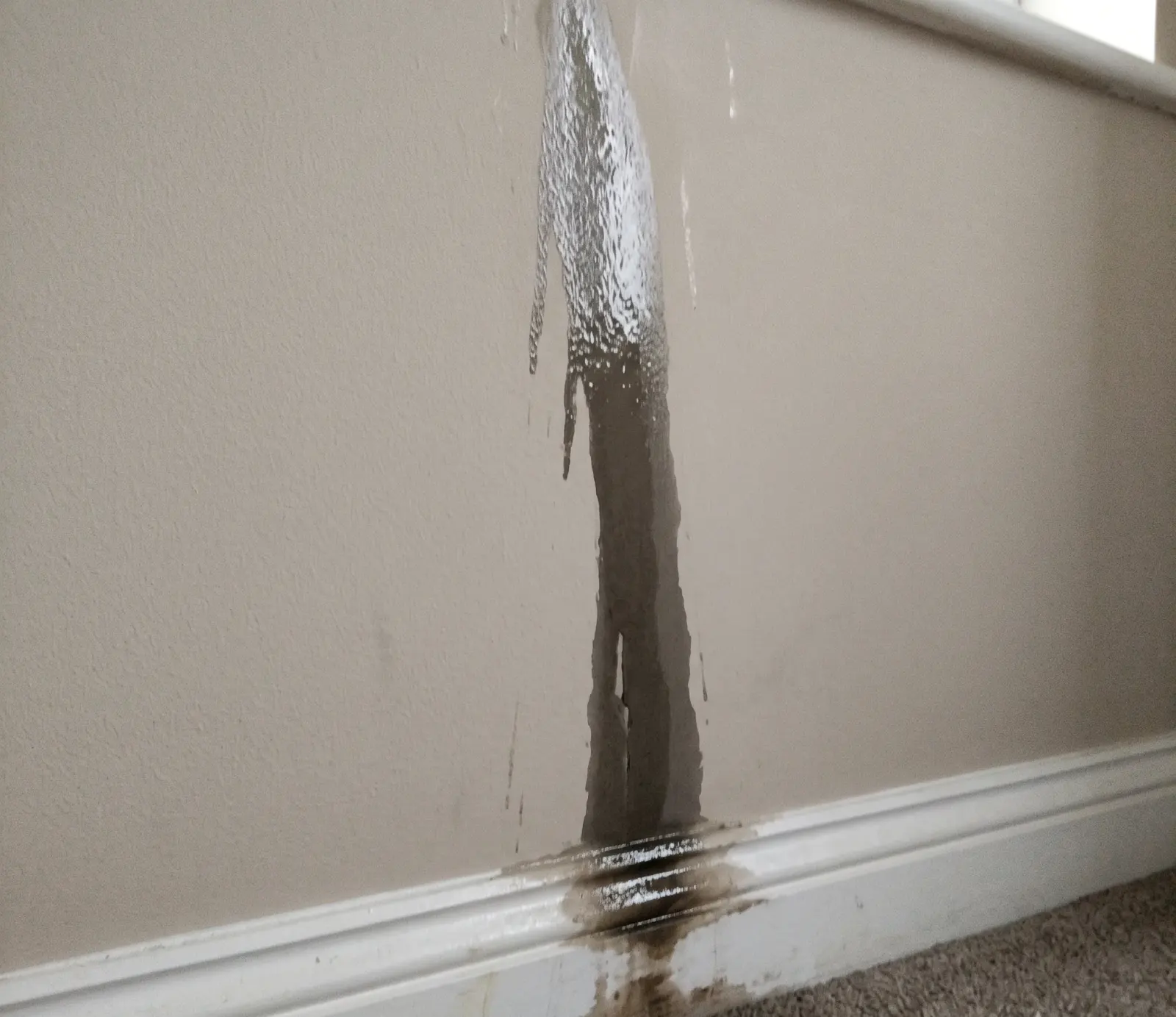
| Water Running Down Interior Walls A glossy line or uneven sheet of water can start near a ceiling joint, window edge, or upper wall and run toward the baseboard. It may leave a darker stripe against painted drywall, with beads collecting along trim. Near Mirabeau Point Park or Greenacres Park, the same sign is visible as a narrow track or a broad wet patch. | Check the wet track from its highest point down to the baseboard, then look for a sheen, damp seam, or soft flooring where it ends. In Spokane Valley, that lower edge shows where water may be gathering out of sight; the pros we connect you with can remove pooled water, while checking and drying damp materials are separate steps. | As water continues downward, it can dampen the baseboard and spread beneath nearby flooring over hours or days. In Spokane Valley, note whether the track is growing and keep clear if water reaches outlets or electrical equipment; seek qualified help when safety is uncertain. | Ask on the call |
| Water Seeping From Wall-Floor Joints At the base of an interior wall, the joint may show a narrow glossy strip, scattered clear beads, or a small ribbon of water extending onto the floor. Paint or trim can look darker at the edge, and the surface may feel cool or damp. In a Spokane Valley home near Sullivan Park, compare the line with nearby dry sections. | In Spokane Valley, first check whether a fresh line of water is forming where the wall meets the floor; an old dry mark does not show active seepage. If water keeps advancing from the seam, emergency extraction may be needed, while the source requires separate attention. Tell the pros we connect you with what is still happening. Near Sullivan Park, CenterPlace, or Highway 290, keep clear if water reaches electrical outlets. | Water that keeps entering can move away from the joint and wet flooring or the lower wall as the visible line lengthens. For a Spokane Valley owner along Highway 290, seepage that continues through the day can leave a broader area needing extraction. Stay clear if water reaches outlets or appliances. | Basement Water Extraction |
| Sagging or Bulging Ceiling A sagging ceiling forms a shallow basin, low seam, or rounded blister that interrupts an otherwise level plane. The finish may look matte or glossy, with pale tan, ochre, or brown patches and a soft-edged border. Nearby trim makes the uneven outline easier to notice in a Spokane Valley room. | Check the ceiling from a doorway, keep people clear, and arrange an urgent assessment if its shape has changed. In Spokane Valley, a new dip in a home near CenterPlace, Greenacres Park, or the Spokane River warrants attention to what is above it. The pros we connect you with can remove pooled water; separate moisture checks can identify what still needs drying. | Continued water loading can deepen the bow or bring ceiling material down, so keep the room clear and seek urgent assessment today. Near Avista Stadium or Mirabeau Point Park, the key questions are whether the panel is safe and where the water is entering. | Ask on the call |
Signs worth arranging an assessment for
Visible pooling has stopped, though wet building materials may still warrant a moisture check.
| What appears | What it could mean | When to respond | See further details |
|---|---|---|---|
| Wet or Swollen Baseboards The lower trim may bulge, twist, or sit unevenly against the wall. Paint can look darker, glossy, cracked, or raised along a seam, while the bottom edge may feel soft or spongy. In Spokane Valley, the profile and finish vary by home; the visible change may span a short section or follow a longer run. | Wet or swollen baseboards suggest water reached the wall edge, but trim alone cannot establish whether water remains there. In Spokane Valley, note the affected rooms and walls before contacting the pros we connect you with; the same concern can arise in Otis Orchards East Farms or Liberty Lake. Extraction applies when standing water is present; an active leak needs separate repair. | If water is still entering, the trim can swell further over the next hours; damp material may remain affected for days. Around Spokane Valley, prompt assessment can clarify whether water removal is needed, especially when cold-season freezing is a concern. | Ask on the call |
| Softened Drywall Near the Floor The lower drywall may feel pliable under light pressure rather than rigid, with a shallow dent that does not spring back. Its surface can look dull, slightly darker, rippled, or swollen along the bottom edge; paint may blister or the paper face may wrinkle. In Spokane Valley, compare the patch’s outline with the straight trim and wall surface nearby. | Check the baseboard and floor beside the soft area, then note whether the patch is spreading or still damp. In Spokane Valley, a yielding lower wall near Greenacres Park or along U.S. Route 2 can signal water has entered the wall assembly; touch alone cannot confirm what remains inside. If pooled water is present, keep clear of electrical hazards and arrange extraction. | A weakened paper face can sag or break down further if it stays damp over the next several days, and moisture may persist after the surface looks normal. Water that passes through the paper facing can also soften the gypsum core. | Ask on the call |
Signs to keep an eye on
A clear floor may still hide dampness in nearby building materials.
| What appears | What it could mean | When to respond | See further details |
|---|---|---|---|
| Bubbling or Peeling Wall Paint The finish forms raised, rounded blisters or loose flakes with curled edges. Color may match the surrounding paint or look lighter where the coating has lifted. The patch can be small or spread across a seam, often on a wall below a ceiling or near a corner. Its surface feels uneven and may crackle at the lifted edges. | In Spokane Valley, bubbling paint is a clue to check the wall and nearby floor for dampness or pooled water; it does not prove water is available to extract. If water is standing, the pros we connect you with can remove it. A homeowner near Town Square Park or in Otis Orchards East Farms should also address an active leak separately; removal alone does not fix its source. | If moisture remains behind the paint, the lifted area can widen and damage the wall finish over the following days. In Spokane Valley, arrange a prompt check when the patch is growing or the wall feels damp; paint that is peeling without other wet signs can be checked less urgently. Nearby Liberty Lake does not determine conditions at a specific home. | Ask on the call |
Extraction FAQs
What does standing Water on indoor floors mean?
First check whether water is still moving across the floor, then note its depth and proximity to outlets or appliances. Water can seep beneath flooring and remain there after the surface appears clear. The owner should avoid areas with possible electrical danger and contact the pros we connect you with. Extraction alone cannot confirm flooring is dry.
What does water spreading into adjacent rooms mean?
Check the doorway first, then note whether water is still moving into the next room. In Spokane Valley, that spread shows the affected area has crossed the original room boundary. Tell the pros we connect you with which rooms are wet and ask whether extraction is needed; removing pooled water does not address moisture left in materials.
What does water pooling in multiple rooms mean?
Check the wet rooms in sequence and note whether water crosses doorways or appears in separate spots. In Spokane Valley, pools in several rooms can show that water has reached more than one part of the home, but the pattern alone cannot locate its source or show how far moisture traveled. Damp materials may remain wet after standing water is removed, so a dry surface does not confirm that hidden moisture is gone.
What does indoor drips collecting on floors mean?
Check whether drops are still arriving, then note if the wet area is spreading. In Spokane Valley, repeated drips gathering on a floor can leave pooled water that emergency extraction can remove. The pros we connect you with can remove it; the homeowner should address the source separately and ask whether moisture checks or drying are needed. This applies to homes near Town Square Park as elsewhere in the city.
What does water running down interior walls mean?
Check the wet track from its highest point down to the baseboard, then look for a sheen, damp seam, or soft flooring where it ends. In Spokane Valley, that lower edge shows where water may be gathering out of sight; the pros we connect you with can remove pooled water, while checking and drying damp materials are separate steps.
What does water seeping from wall-Floor joints mean?
In Spokane Valley, first check whether a fresh line of water is forming where the wall meets the floor; an old dry mark does not show active seepage. If water keeps advancing from the seam, emergency extraction may be needed, while the source requires separate attention. Tell the pros we connect you with what is still happening. Near Sullivan Park, CenterPlace, or Highway 290, keep clear if water reaches electrical outlets.
What does wet or swollen baseboards mean?
Wet or swollen baseboards suggest water reached the wall edge, but trim alone cannot establish whether water remains there. In Spokane Valley, note the affected rooms and walls before contacting the pros we connect you with; the same concern can arise in Otis Orchards East Farms or Liberty Lake. Extraction applies when standing water is present; an active leak needs separate repair.
What does softened drywall near the floor mean?
Check the baseboard and floor beside the soft area, then note whether the patch is spreading or still damp. In Spokane Valley, a yielding lower wall near Greenacres Park or along U.S. Route 2 can signal water has entered the wall assembly; touch alone cannot confirm what remains inside. If pooled water is present, keep clear of electrical hazards and arrange extraction.
What does bubbling or peeling wall paint mean?
In Spokane Valley, bubbling paint is a clue to check the wall and nearby floor for dampness or pooled water; it does not prove water is available to extract. If water is standing, the pros we connect you with can remove it. A homeowner near Town Square Park or in Otis Orchards East Farms should also address an active leak separately; removal alone does not fix its source.
What does sagging or bulging ceiling mean?
Check the ceiling from a doorway, keep people clear, and arrange an urgent assessment if its shape has changed. In Spokane Valley, a new dip in a home near CenterPlace, Greenacres Park, or the Spokane River warrants attention to what is above it. The pros we connect you with can remove pooled water; separate moisture checks can identify what still needs drying.
Describe the Water and Affected Materials
A musty smell, a damp carpet edge, or water visible across a floor can each help locate the area that needs attention, but they do not show the full moisture condition. In Spokane Valley, describe what the owner noticed first and which materials now feel different. Note whether the water has stopped or is still coming in, and share that detail during the discussion. Stay out of water where electrical safety is uncertain.
Call (509) 800-4628