Check Safety Before Staying
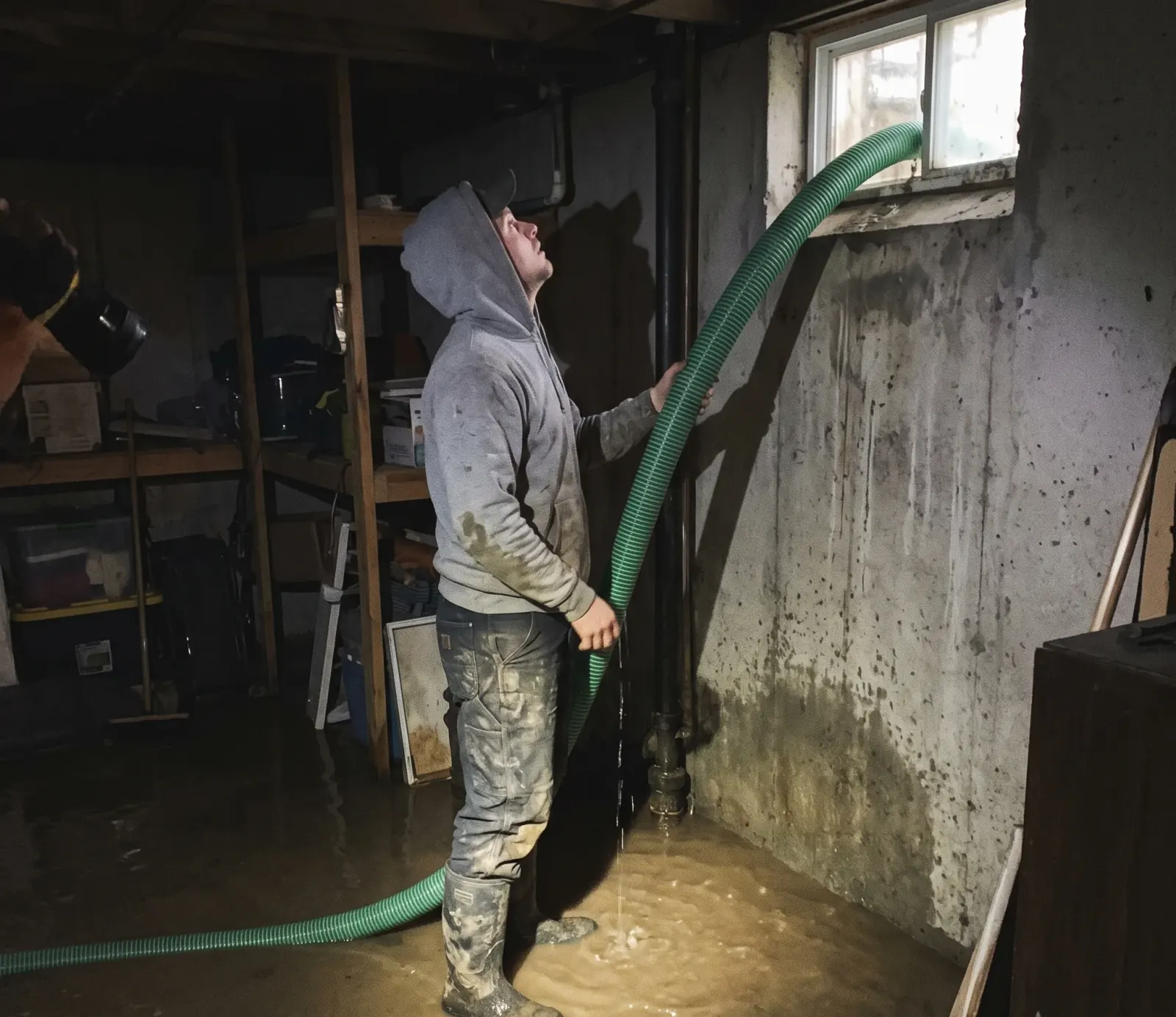
A homeowner may be able to stay home during extraction when the affected work area is separated from safe living space. The first check is for hazards: wet electrical components, unstable flooring, or water that may be contaminated can make nearby rooms unsuitable. In Spokane Valley, cold-season freezing can contribute to indoor plumbing leaks, but the cause and location of the water matter more than the season. If safety is uncertain, stay clear until a qualified professional assesses the area.
The Spokane River is a familiar local feature, but proximity to it does not establish a hazard at any particular home. The work area can also affect how people move between rooms during extraction. A homeowner should get a clear boundary between the work area and occupied space before deciding to stay. The pros we connect you with can explain their planned access and equipment locations; the occupancy decision should follow the assessment of the actual home.
Plan for Noise and Room Access
Pumps and other job equipment can make conversation difficult, and the sound may continue while workers are present. In Spokane Valley, a household working or resting in a room beside the affected area may find the disruption more noticeable than someone with a closed, separate space. Ask when the loudest work is expected and whether the schedule can account for sleep, remote calls, or a child’s routine. The answer helps a homeowner judge whether staying is practical even when the remaining rooms are considered safe.
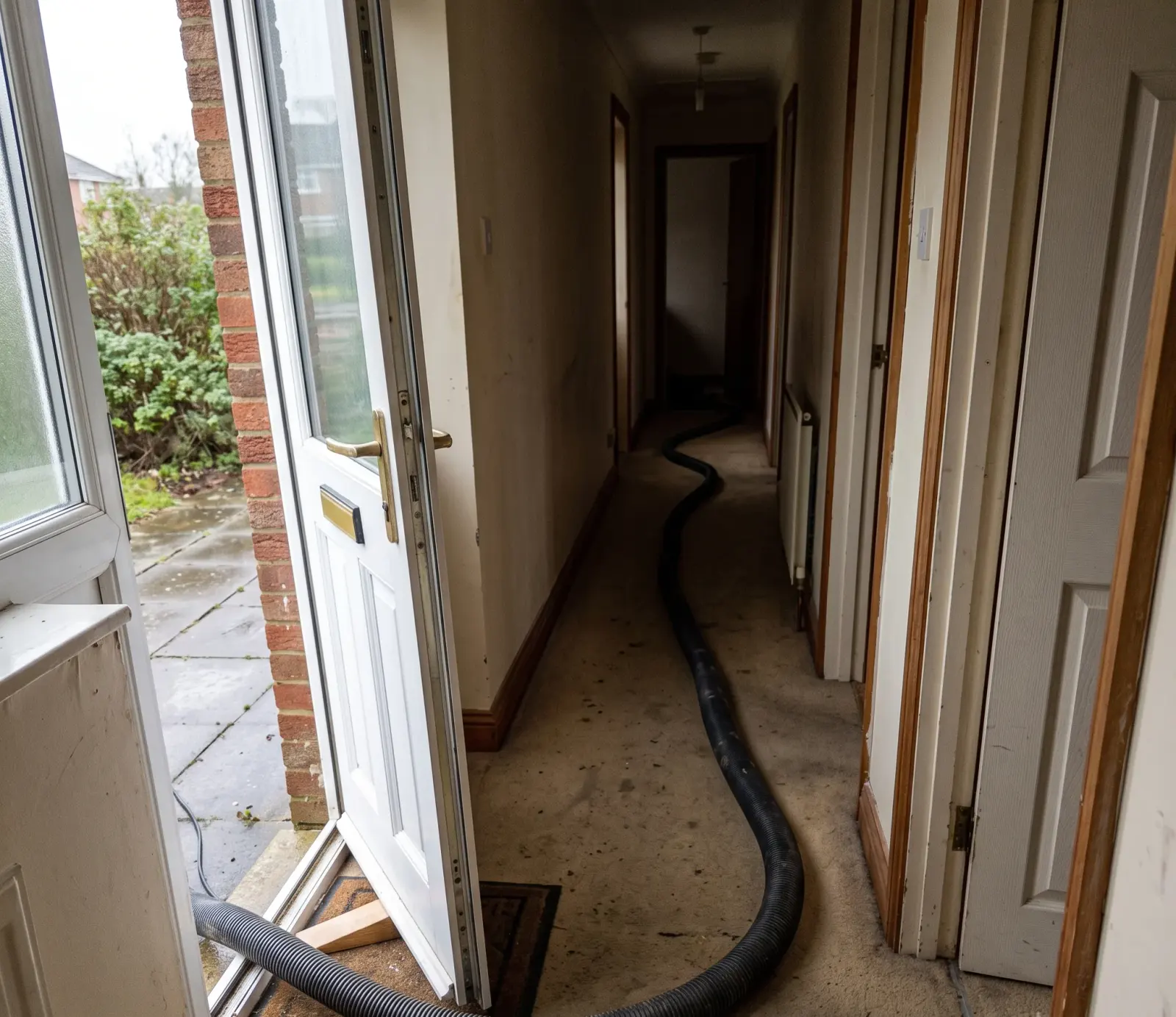
Look at the rooms the household needs to use, then ask whether workers will need those same spaces to reach the affected area. Hoses, tools, or equipment may make a familiar passage difficult to use while work is underway. In Spokane Valley homes near Greenacres Park, as elsewhere, the layout of the individual house determines whether daily routines can continue. Ask which doors and rooms will be unavailable and whether there is a safe alternate route before settling on a plan to remain.
Consider Health and Cold Weather
A person with asthma, limited mobility, or sensitivity to noise may experience the work area differently from other household members. Before deciding to stay, tell the assessor about those needs and ask whether the proposed work boundaries and schedule can accommodate them. Spokane Valley households may include people who depend on a quiet room, nearby bathroom, or accessible exit; those needs belong in the occupancy discussion. If the arrangement would leave someone unable to use essential space safely, temporary time away may be the more workable choice.
Cold weather can make a plumbing leak especially disruptive if it affects an entry, utility space, or a room used to keep the home comfortable. A homeowner in Spokane Valley should mention any ongoing leak or temperature concern during the assessment, since an active water source needs separate attention and may affect whether the home can be occupied. Being near Mirabeau Point Park does not tell anyone what is happening inside a particular house. The room conditions and household needs guide the decision.
Set Clear Occupancy Boundaries
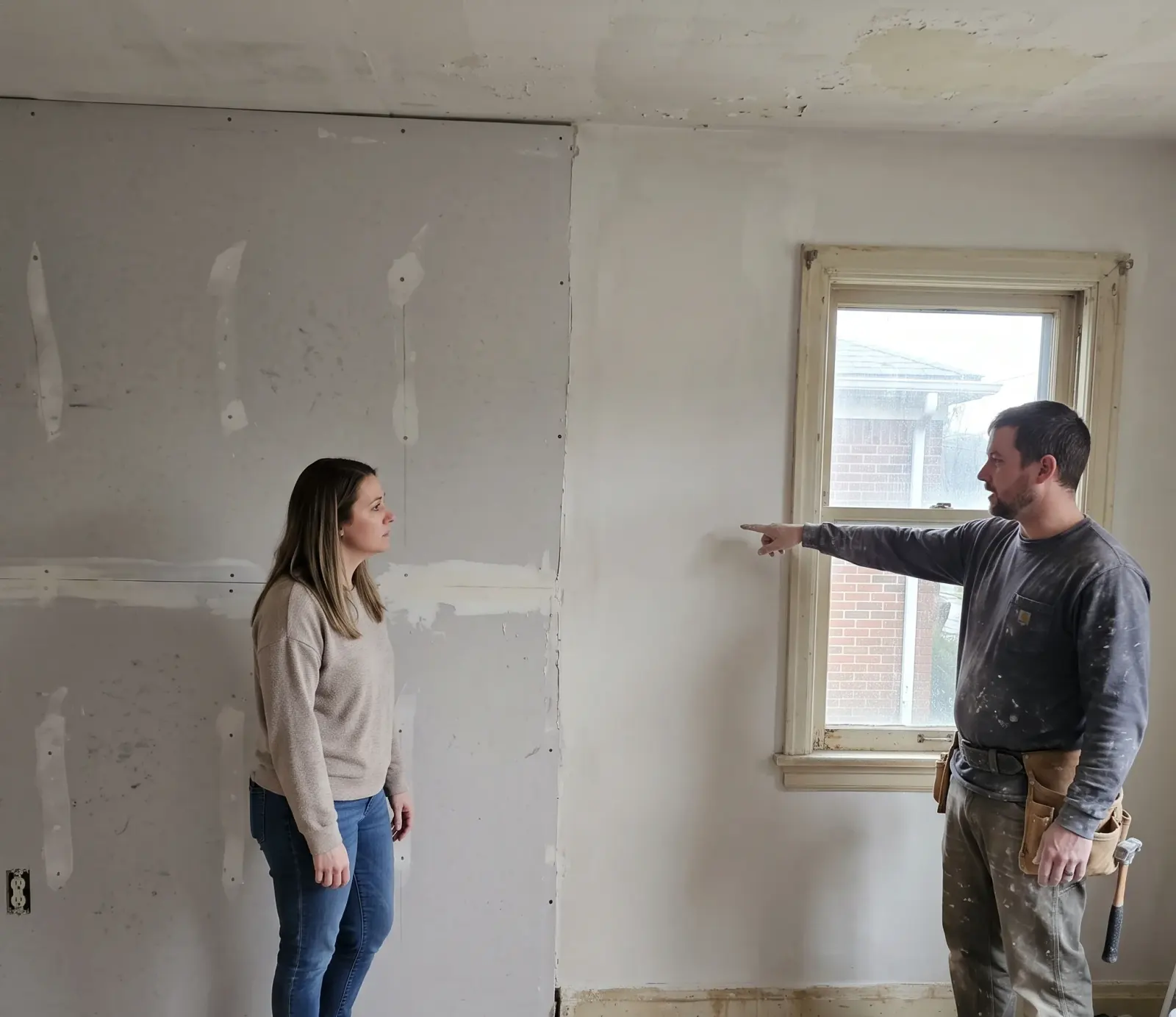
Before work starts, ask the assessor to identify the rooms workers need, the parts of the home that can remain in use, and the expected timing. In Spokane Valley, a written note or simple room-by-room explanation can help household members follow the same boundaries. Clarify who to contact if the plan no longer works for a person at home. Keep the decision tied to the actual conditions rather than assuming that one household’s arrangement will fit another home with a different layout or intrusion.
Conditions can change if the assessor finds another affected area or a safety concern during the visit. Ask what new finding would mean the household should leave, who will communicate that change, and where residents should wait for an updated assessment. For a Spokane Valley homeowner, the useful decision is specific: which rooms are acceptable now, and what would make them unsuitable? If the answers are unclear, ask for clarification before remaining in the home while work proceeds.
Dealing with standing water at your home?
Is water pooled inside a Spokane Valley home, and what should the owner confirm before arranging removal? Take photos of the affected area before cleanup to keep a record of what the water reached. Call (509) 800-4628 to reach the pros we connect you with, then confirm address coverage, possible visit timing, and whether a visit charge applies. Give the location clearly: Spokane Valley, or Liberty Lake near Town Square Park or Rocky Hill Park. Read the estimate to see what extraction covers, and clarify whether drying, source repair, remediation, or rebuilding would be separate work.