School and Campus Water Extraction
Campus Water Removal
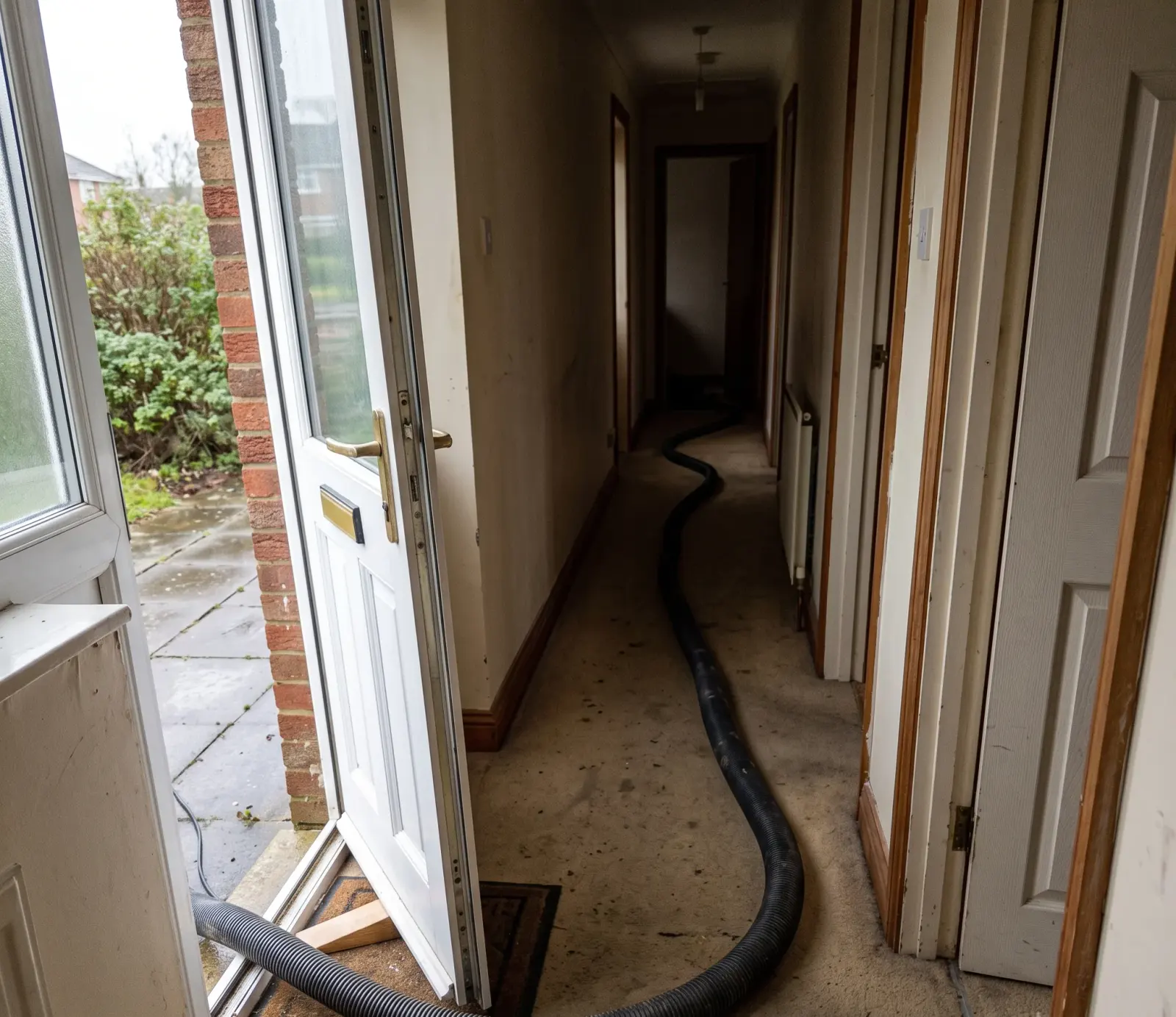
Coordinate room availability, guest routes, and staff handoffs before standing-water removal begins.
Hotels can map pooled-water areas, identify rooms and routes that must remain available, and coordinate a work sequence with facilities and operations. Then ask an independent provider to define the removal scope and discuss access and timing before work is arranged.
Hotel water extraction is the removal of pooled water from guest rooms and other affected hotel spaces after an intrusion. In Spokane Valley, a useful plan starts with what staff can see: where water stands, which areas guests need, and whether the route to the work area crosses active operations. Those details help the pros we connect you with understand the requested work. The page follows that order: define the affected space, coordinate access, then agree on the work boundary and handoff.
The cost of commercial water extraction can change with the amount of standing water, the number and layout of affected spaces, and how equipment can reach them. A shallow pool in one back-of-house room presents a different removal plan from water across rooms and a guest corridor. In Spokane Valley, the hotel can help clarify these conditions before discussing an estimate. Share which spaces are accessible, which need to remain open, and whether staff have identified more than one area.
The aim is a defined removal plan that accounts for hotel routines. Before calling, operations and facilities staff can agree on which spaces are affected, who can authorize access, and when guest movement is heaviest. That gives the pros we connect you with a practical starting point for discussing sequence and coordination. For a Spokane Valley property, write down any access limits and the hotel contact who can make decisions during the visit; keep the initial request focused on standing-water removal.
Start a location list using room numbers or internal area names, and note what staff actually see in each place. A wet carpet edge, water visible beneath a door, or pooling near a service room may call for a closer look before the work area is set. In Spokane Valley, facilities staff can compare observations across shifts so the provider receives one usable description. Mark spaces that may connect through a shared route, while leaving the provider to confirm the removal area on site.
Next, note when each affected space can be approached without interrupting check-in, room service, housekeeping, or an event. The hotel can identify quieter windows and explain which routes guests still need; the provider can then discuss whether the proposed access fits those constraints. If visitors are headed toward Riverfront Park, clear directions and temporary wayfinding may also help them avoid a closed passage. Keep the plan specific to the actual hotel layout rather than assuming every corridor can be redirected.
| Hotel area | Access limits | Work order |
|---|---|---|
| Room availability | Rooms temporarily removed from booking | Helps staff adjust assignments |
| Guest pathways | Routes around wet work areas | Keeps directions consistent |
| Staff movement | Housekeeping and maintenance access | Avoids crossing active work |
| Arrival flow | Check-in timing near the work | Informs front desk planning |
| Service timing | Busy meal or turnover periods | Helps teams choose a workable window |
| Equipment placement | Entry and staging constraints | Reduces conflict with hotel tasks |
| Decision contact | Facilities lead available on site | Speeds up scope questions |
| Guest notices | Rooms or amenities affected | Supports clear, timely updates |
Choose one hotel contact to meet the pros we connect you with and relay decisions to facilities and operations. That person can confirm entry procedures, arrange access to restricted rooms, and tell the front desk which doors or hallways are temporarily unavailable. A Spokane Valley hotel may also need to coordinate with housekeeping so carts and equipment do not converge in a narrow service route. Give the contact a current floor plan if available, but explain any changes staff have observed since it was made.
Equipment can bring sound, hoses, and people moving through a work zone, even when removal stays within a limited area. Ask what activity guests may notice, which doors should stay closed, and where staff can direct routine traffic during the work. Hotels near Liberty Lake can use the same practical approach: tell guests which route remains open without promising a reopening time the provider has not confirmed. Put brief instructions where arriving guests and staff can see them.
Guest convenience cannot override an uncertain hazard. If standing water reaches outlets, appliances, or wiring, keep guests and staff out of the affected space and seek qualified help to assess the electrical concern. Do not send employees through pooled water to retrieve equipment or belongings. In Spokane Valley, the hotel contact can share the boundary with front desk and facilities staff, then wait for safe access guidance before arranging entry for removal work.
When several areas are involved, ask the provider to explain the proposed order and what access each stage needs. A guest-room wing may have different operating constraints from a kitchen or staff area, so the hotel should explain which spaces support essential services and when they are busiest. At a Spokane Valley property, operations can flag a scheduled use of shared space before the sequence is settled. Confirm who will update the front desk if the planned work area changes.
Before work begins, have both sides describe the boundary in plain terms: the locations included, the routes needed, and any areas the provider has not agreed to address. This helps staff avoid treating a nearby damp space as part of the same request without checking. Source repair, sewage cleanup, and rebuilding require separate attention from standing-water removal. For hotels serving guests visiting Otis Orchards Library, clear internal instructions can keep staff from directing foot traffic through a work zone.
During the response, keep a brief operations handoff with the areas made unavailable, the access route in use, and the provider’s report of work performed. The point is to help the next shift understand what has changed, not to make staff assess building conditions outside their role. In Spokane Valley, a shared note for facilities and the front desk can prevent conflicting directions to guests. Record who is responsible for communicating any access change to departments that use the affected space.
Ask for a written estimate that describes the proposed removal work and the locations it covers. Compare that scope with the hotel’s area list, then raise any mismatch before authorizing access or relying on the schedule. The provider should also explain what coordination the plan assumes from hotel staff. If the property is in Spokane Valley, keep the decision maker reachable while the work is arranged so an unexpected access issue can be addressed without sending guests toward a restricted area.
When visible pooling is gone, ask the provider what work they completed and whether any planned removal remains. Staff may still notice damp flooring or materials, but that observation alone does not establish what follow-up is needed. Keep any further assessment, drying, or repair discussion distinct from the agreed removal work. In Spokane Valley, operations can use the provider’s update to decide which guest routes may reopen, subject to the provider’s safety guidance and the hotel’s own access procedures.
To arrange emergency hotel water removal, give an independent extraction provider the affected-area list, access restrictions, busy operating periods, and a hotel contact who can coordinate entry. Ask the pros we connect you with to explain the proposed scope, work sequence, and coordination needs before the hotel adjusts guest routes. For a Spokane Valley property, that conversation gives facilities and operations a shared basis for planning. What areas are included, and what hotel decisions are needed before the provider can begin?
Check which rooms and shared spaces have pooled water, then map how guests and staff can move while those areas are unavailable. Note whether the water source is known, since that detail can help define what the removal work needs to address. Ask an independent provider what the removal scope covers and how equipment work could affect hotel routines. A facilities contact and an operations contact can align room closures, staff notices, and the timing of work before hospitality water removal begins.
Before arranging a visit, match the home's address to a listed service community; the names below show where residential extraction requests may be considered, includingSpokane, Spokane Valley and Liberty Lake. Ask how travel beyond normal coverage is billed, and request a written breakdown that shows extraction separately from possible drying.
For a business property, pricing is generally organized by attendance, the area requiring removal, and how many returns conditions call for. The $700–$1,400 figure is only a benchmark; stairs, restricted entry, deeper pooling, or divided work zones may alter the estimate.At a commercial property in Spokane Valley, affected rooms, water depth, floor access, and contents or equipment to move can change the work list and estimate. For a site near Town Square Park, tell the pros we connect you with about those conditions, any restricted entry, and areas needing attention, then request the proposed tasks and estimate in writing.For full Emergency Water Extraction price ranges, consult pricing guide; commercial overview outlines commercial removal and follow-up for moisture that remains.
Campus Water Removal
Restaurant Water Extraction
Healthcare Water Removal
Start by identifying the spaces that need to stay open, such as reception, a dining area, or a staff route. Ask the provider whether the work can be sequenced by area, then have facilities and operations agree on which rooms will be unavailable during each phase. For a Spokane Valley hotel, make one manager responsible for approving changes if the planned work area expands.
Keep the message brief and practical: name the affected service or route, say where guests should go instead, and tell front desk staff when to update it. If activity near Avista Stadium changes the hotel’s arrival pattern, operations can share that schedule with the provider when discussing work timing. Avoid promising a reopening time until the affected area has been reviewed.
Not automatically. Facilities can ask the provider to assess the proposed work boundary and explain whether adjoining rooms or corridors can remain in use during removal. In Spokane Valley, the decision should account for the hotel’s actual layout and the route staff need to keep functioning; a floor plan marked with room names can make that discussion clearer.
For commercial water extraction, ask whether the estimate assumes one continuous work period or staged access around hotel operations. Request a written scope that identifies the planned areas and any scheduling assumptions, then compare those details with facilities’ downtime plan. The arrangement may change if rooms need to be released in phases or work must fit around guest activity.
Give the provider your affected-area map, operating constraints, and preferred sequence so the proposed removal scope can fit hotel needs.
Call (509) 800-4628