Hotel Water Extraction
Spokane Valley Hotels
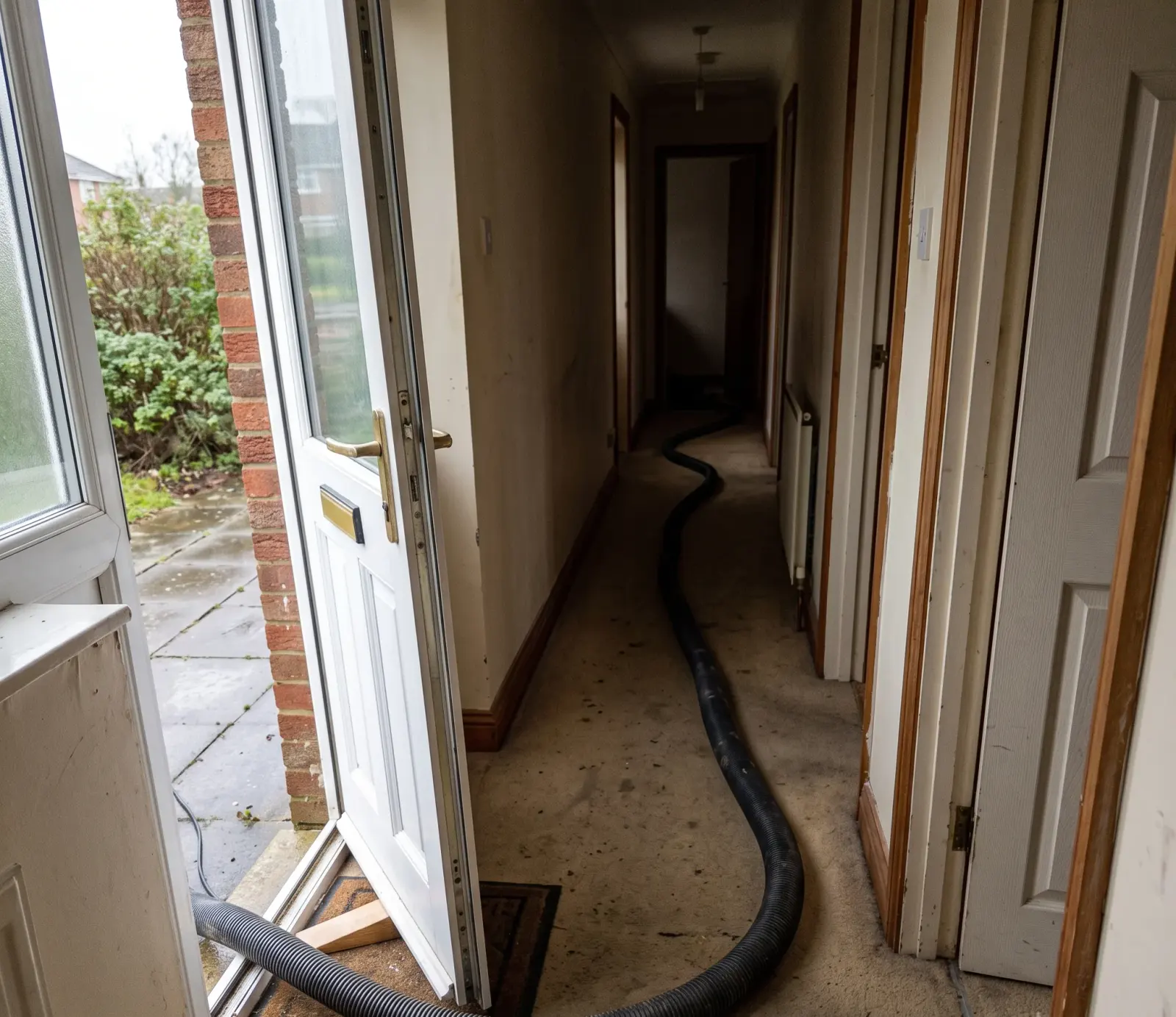
Start with safe boundaries, map the wet spaces, then coordinate campus access and removal scope with facilities.
Keep people away from unsafe wet areas, identify affected classrooms and shared spaces, and coordinate approved entry routes with facilities and campus operations. Then give an independent extraction provider the site map and ask which areas their removal scope covers and what follow-up may be needed.
Start by keeping people clear of the water, then identify every affected classroom and shared area before arranging school water extraction. In Spokane Valley, facilities staff can note where water is visible, which routes are usable, and whether the incident affects teaching space, offices, or common areas. That first map gives the pros we connect you with a practical basis for discussing campus water removal and coordinating entry. Extraction removes standing water; staff should plan separately for moisture checks and any drying that may follow.
Walk the perimeter only where it is safe, and note changes at doorways, adjoining rooms, and hallways. A wet floor in one classroom may have a narrow boundary, while water reaching a corridor can affect circulation between several spaces. In Spokane Valley, record each location by building and room identifier, then mark what is visible and what remains uncertain. This helps facilities staff describe the request clearly without assuming that every damp area has the same source or needs the same response.
Shared areas need their own attention. Water near a cafeteria entrance, library approach, or connecting passage can intersect with class changes, deliveries, and staff movement, even when nearby rooms appear clear. For a Spokane Valley campus, mark those paths on the same working map as classrooms, and note which access points can be closed or redirected. A boundary that includes circulation space gives the extraction provider a fuller picture of where equipment may need access and where people should stay away.
Check for immediate hazards before anyone approaches pooled water. If it is near outlets, powered equipment, or wiring, keep students and staff out and seek qualified help when electrical safety is uncertain. Do not wade in to inspect or move items. In Spokane Valley, facilities staff can relay what they can observe from a safe position and follow local emergency guidance. The pros we connect you with can then discuss access after the area is considered safe for water removal.
Coordinate entry through a named facilities contact rather than sending an outside provider through active student areas. Share the approved entrance, any locked doors, sign-in steps, and the hours when hallways are least occupied. If a Spokane Valley campus has an alternate route for deliveries or maintenance, staff can decide whether it is suitable for equipment access. Confirm who can escort the provider and who can redirect building occupants while extraction is underway.
| Campus area | What to note | Access plan |
|---|---|---|
| Classroom wing | Water reaches desks or the doorway | List rooms sharing the affected wall |
| Main corridor | Pooled water crosses class-change traffic | Set a route around the work zone |
| Classroom inventory | Seating and service areas both affected | Mark sections for facilities review |
| Circulation routes | Water is near shelving or study tables | Note staff access and room limits |
| Drying follow-up | Open floor space contains equipment | Mark the wet boundary and entry |
| Science room | Water is near benches or fixtures | Flag equipment and restricted areas |
| Otis Orchards School | Use a room-by-room map example | Mark affected rooms individually |
| Ridgeline High School | Use a shared-route map example | Name the campus contact for entry |
Once standing water is gone, do not treat a clear floor as confirmation that the room is ready for use. Moisture can remain in flooring and other materials, so arrange an assessment to identify where drying equipment may be needed. In Spokane Valley, facilities staff can coordinate that follow-up with the people responsible for reopening the space. Extraction is the urgent removal step; readiness decisions may depend on additional checks and the campus's own operating procedures.
Plan follow-up around how the rooms function, not only how they look. A classroom with damp flooring may need a different return-to-use review than a corridor that must remain clear for movement. Ask the provider what moisture concerns were observed after campus water removal and which areas may need another visit. On a Spokane Valley campus, facilities and operations staff can use those answers to sequence drying access alongside the rest of the building schedule.
Set expectations for drying before the equipment arrives. Fans or other drying equipment can occupy floor space, affect room use, and require a route for setup and later removal. Staff should identify rooms where equipment would interfere with instruction, accessibility, or essential operations, then coordinate a workable placement plan. The extraction provider can explain what follow-up is within the agreed work and what needs a separate arrangement; the campus decides how that timing fits its use of the space.
An interruption can spread beyond the wet room when classes share a hallway, restroom, or entrance. Before work begins, identify which spaces must remain open and which can be temporarily taken out of use, then agree on a sequence that avoids unnecessary movement through affected areas. In Spokane Valley, operations staff can also identify scheduled activities that depend on those spaces. This gives the provider context for coordinating access while campus staff manage changes to room use.
Keep the access plan practical and specific. Name the contact who can unlock the relevant area, the route equipment may use, and any doors or corridors that must stay available. If work could overlap with arrival, dismissal, or a campus event, decide who will adjust those movements and communicate any temporary restriction. A Spokane Valley facilities lead can keep these decisions together so the provider is not left to infer campus procedures on arrival.
Before the provider arrives, note furniture or equipment that blocks the wet floor and identify who is authorized to move it. Staff may need to clear a safe work path, but should not enter standing water or handle items in an unsafe area. Distinguish movable classroom contents from fixed fixtures so the scope discussion stays focused on water removal. The campus can also decide where cleared items may be staged without obstructing exits or access routes.
Ask for a clear description of the rooms and shared areas included in the extraction request, along with any access limits the campus has set. Keep source repair, sewage cleanup, mold remediation, and reconstruction as separate work scopes; water removal alone does not cover them. If the water may contain sewage or chemicals, tell the provider before work is arranged because contaminated-water cleanup requires separate handling. This keeps the initial plan aligned with the conditions reported.
When locating a campus in Spokane Valley, give the provider its street address, building name, and the entrance facilities staff want used. Nearby references such as Town Square Park, Rocky Hill Park, and Pavillion Park may help distinguish the general area during the call, but the campus address should guide arrival. Liberty Lake and Orchard Park are additional familiar local references; name only the ones that genuinely help identify the destination, then confirm the approved access point directly.
The useful next step is to map affected classrooms and shared spaces, mark hazards and access constraints, and choose a facilities contact for coordination. Then ask an independent extraction provider to review the locations, discuss what standing water removal includes, and explain how follow-up access can be arranged. For a Spokane Valley campus, keep the plan tied to the actual building and its operating needs. That gives staff a concrete basis for organizing the response and deciding what questions remain.
When standing water appears during instruction, keep students and staff clear of the area; if outlets or equipment may be wet, get qualified help before entry. In Spokane Valley, assign one facilities contact to guide the pros we connect you with, explain which doors can be used, and coordinate movement through shared corridors around class changes. Agree on a work sequence that preserves safe circulation and identify who can approve access if conditions shift. For sites reached from U.S. Route 2, Highway 290, or near CenterPlace, confirm property-specific arrival instructions directly before emergency school water removal begins.
Start with the property location, then use the linked places to find the relevant local page and confirm that address can request standing-water extraction, includingLiberty Lake, Newman Lake and Spokane. For an address near the service edge, check for an assessment fee and ask that removal and later moisture work appear separately in writing.
For a business property, pricing is generally organized by attendance, the area requiring removal, and how many returns conditions call for. The $700–$1,400 figure is only a benchmark; stairs, restricted entry, deeper pooling, or divided work zones may alter the estimate.At a commercial property in Spokane Valley, affected rooms, water depth, floor access, and contents or equipment to move can change the work list and estimate. For a site near Town Square Park, tell the pros we connect you with about those conditions, any restricted entry, and areas needing attention, then request the proposed tasks and estimate in writing.For full Emergency Water Extraction price ranges, consult pricing guide; commercial overview outlines commercial removal and follow-up for moisture that remains.
Spokane Valley Hotels
Healthcare Water Removal
Restaurant Water Extraction
A musty smell or soft flooring can signal that moisture has reached beyond the first visible puddle. In Spokane Valley, mark the wet classroom, nearby shared areas, and usable entry routes on a campus map. For a campus near CenterPlace or Greenacres Park, note which access points responders can use. Then contact the pros we connect you with to discuss emergency school water removal, site access, and which spaces need attention first.
Possibly, if facilities can isolate the wet work zone and maintain safe, usable routes for people in other parts of the building. In Spokane Valley, campus operations should decide which doors and corridors remain available while equipment is brought in. Set boundaries before work starts, and confirm with the provider how those limits affect the areas they can reach.
Share the site address, the approved entrance, who can authorize entry, and which rooms or shared areas have standing water. Mention any access limits or suspected source concerns. For a Spokane Valley campus near CenterPlace, a nearby public landmark can help orient someone, but the street address and entry instructions should guide arrival.
Choose one facilities contact to receive updates and pass decisions to campus operations. They can keep staff informed about which spaces remain restricted, arrange a separate moisture review where needed, and confirm who will decide when rooms return to use. At a Spokane Valley site, include the relevant building and contact details in each handoff so updates reach the right people.
Map affected rooms and approved routes, then ask an independent provider to clarify removal scope and coordinate entry with facilities.
Call (509) 800-4628