Healthcare Facility Water Extraction
Healthcare Water Removal
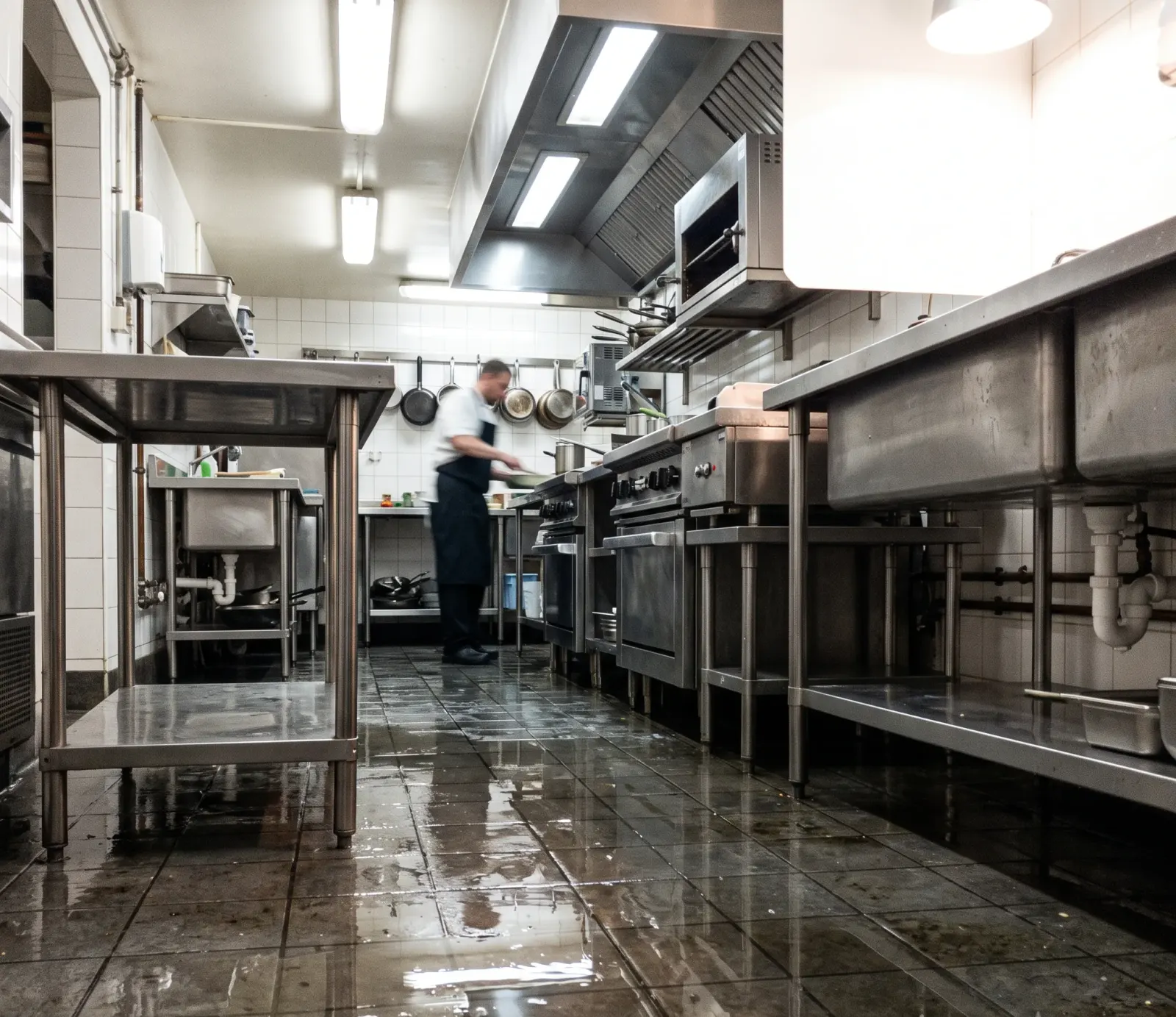
A guide to restaurant standing-water removal, work access, and operating schedules in Spokane Valley, Washington.
Restaurant water extraction removes standing water from affected dining, kitchen, and service zones, with pumps or wet vacuums as needed. The plan accounts for operating hours, safe access, equipment routes, and areas that must stay closed. Remaining moisture may need separate assessment and drying.
During a restaurant water emergency, first establish which areas are safe to approach, then identify where standing water is interrupting service. In Spokane Valley, extraction planning also depends on when dining, kitchen, and service areas can be made available. A restaurant water extraction visit should settle the work boundary and access sequence before equipment comes through active operations. Those choices help the owner coordinate urgent removal without treating every room or work period as the same.
A wet floor under a service station, water near a kitchen threshold, or dampness along a route between work areas can point to separate access needs. In Spokane Valley, the owner can note which areas are occupied, which can be cleared, and when staff can pause work there. Those observations help the pros we connect you with plan where to begin and how to reach each affected area while keeping staff away from standing water that may be unsafe.
Restaurant water extraction means removing pooled water from affected restaurant spaces, including dining, kitchen, and service areas. In Spokane Valley, the pros we connect you with may use pumps or wet vacuums, depending on the water and the space they can safely access. Commercial kitchen water removal is part of that work when standing water is in the kitchen. The service addresses water on the floor; it does not establish that underlying materials are dry or that the source has been repaired.
Before setting an arrival window, the owner can map which work areas need attention and which routes remain usable. A dining room beside Greenacres Park may have open floor access, while a kitchen with active prep stations may need a pause arranged first. In Spokane Valley, the useful detail is the restaurant's own operating sequence: where staff can clear equipment, where an extractor can enter, and which areas cannot be interrupted at the same time.
A delivery entrance, locked service door, or narrow passage can affect when equipment can reach a wet area. The owner should identify who can open each route and whether deliveries, food preparation, or customer service will occupy it during the visit. In Spokane Valley, U.S. Route 2 can help describe the general area when arranging a visit, but the provider still needs the restaurant address and the correct entrance for the affected space.
| Area | Water present | Entry limits |
|---|---|---|
| Dining floor | Tables, seating, and guest circulation | Choose a service pause; note nearby landmarks such as Manito Park |
| Cooking line | Clearance around fixed appliances | Set a safe route before staff return |
| Food preparation | Worktables and active prep stations | Pause prep and identify a restart point |
| Dining floor, kitchen, and service counter | Sink use and floor drain access | Coordinate around wash cycles and cleanup |
| Cold storage | Door clearance and inventory movement | Keep a stock access window open |
| Staff passage | Wet floors along shift routes | Name a detour before shift change |
| Dry goods | Water beneath racks and cartons | Flag items blocking floor access |
| Delivery entry | Doorway clearance and incoming loads | Schedule around deliveries; share a landmark such as Otis Orchards Library |
Ask the provider to name the areas included in the proposed removal before agreeing on a work window. In Spokane Valley, that conversation can distinguish a dining floor from a kitchen or service corridor, so the owner knows which operations may need to pause. The pros we connect you with should explain how they plan to reach those spaces and what access they need. A clear boundary helps the manager coordinate the visit around actual work areas.
Once pooled water is gone, moisture may remain in flooring or other materials, so removal and drying are different parts of the response. In Spokane Valley, the owner can ask when the extraction portion is expected to finish and whether a separate moisture check or drying setup is proposed afterward. That distinction matters when deciding how a room returns to use. Water removal by itself is not confirmation that a dining area or kitchen is dry.
The commercial water extraction cost can change with the amount of water, the number and layout of affected areas, and the time needed to gain access. A restaurant that can clear a direct route may require a different plan from one with equipment or service activity blocking the work area. In Spokane Valley, ask the provider to explain which scope details affect the estimate and whether scheduling constraints change the proposed work.
Agree on a practical sequence with the manager before extraction starts: which room opens first, who will clear its route, and what activity must stop during removal. In Spokane Valley, a visit near CenterPlace Regional Event Center still depends on the restaurant's own access arrangements and service hours. The location can orient the conversation, while the operating plan should be based on the actual entrance, affected floor, and staff availability.
If the dining floor can close while the kitchen remains active, ask whether the work can be scheduled in stages and what separation each stage needs. The owner should also settle who will communicate changes to staff if the planned route or work period shifts. In Spokane Valley, these decisions can reduce confusion during a busy service period without assuming the whole restaurant must close. Extraction timing depends on access and conditions at the site.
The sound of equipment stopping and the disappearance of visible pools can indicate that water removal is finished in the area being handled. In Spokane Valley, the manager should confirm which rooms the pros we connect you with have completed before reopening those spaces to normal use. Surface appearance cannot show whether moisture remains below the floor surface or in other materials. If drying is needed, the owner can coordinate that next step separately with restaurant operations.
Water beside outlets, plugged-in kitchen equipment, or wiring creates a safety concern that scheduling cannot resolve. Keep staff out of the affected area if electrical safety is uncertain, and seek qualified help before access resumes. In Spokane Valley, the restaurant manager should identify any such concern during the first call so the provider can discuss a safe arrival and work plan. Source repair and any cleanup beyond standing-water removal require separate attention.
When calling, have the Spokane Valley restaurant address, a short zone list, and the available entrance ready. Describe when dining, prep, or service activity can pause, along with any door or route that needs staff access. You do not need a complete account of the incident before asking about urgent removal; clear observations and operating limits give the provider a practical starting point for discussing scope and timing.
Before confirming the visit, compare the proposed arrival period with the times each affected area can be cleared. Ask what happens if the kitchen or service route remains occupied, and how the provider will let the manager know if access changes the sequence. In Spokane Valley, the next useful step is to share the zone and access list with an independent extraction provider and agree on which areas the visit is intended to address.
Start with the restaurant’s service schedule, then mark which dining, kitchen, and service zones need extraction. In Spokane Valley, a wet dining floor before opening may allow a different access plan than water discovered during meal service. Note when deliveries use U.S. Route 2 entrances, where staff must pass, and which areas can be closed. The pros we connect you with can discuss arrival timing, equipment placement, and the agreed work area. Extraction removes standing water; moisture checks and drying may be separate follow-up work.
Before arranging a visit, match the home's address to a listed service community; the names below show where residential extraction requests may be considered, includingSpokane Valley, Liberty Lake and Newman Lake. For an address near the service edge, check for an assessment fee and ask that removal and later moisture work appear separately in writing.
Commercial estimates often start with a visit charge, then account for the area affected and whether follow-up extraction is needed. $700–$1,400 gives a reference point, while water volume, equipment access, and the number of separate spaces can shift the amount quoted.At a commercial property in Spokane Valley, affected rooms, water depth, floor access, and contents or equipment to move can change the work list and estimate. For a site near Town Square Park, tell the pros we connect you with about those conditions, any restricted entry, and areas needing attention, then request the proposed tasks and estimate in writing.For full Emergency Water Extraction price ranges, consult pricing guide; commercial overview outlines commercial removal and follow-up for moisture that remains.
Healthcare Water Removal
Campus Water Removal
Spokane Valley Hotels
Mark each place where water is visible, such as a dining aisle, prep station, dish area, or service passage, and include connected zones that staff cannot inspect easily. In Spokane Valley, note whether the affected area meets an entrance used for deliveries or customer access. A simple floor plan with the zones labeled can help the pros we connect you with discuss a workable route and define where extraction is expected to take place.
Possibly, if the affected zone can be closed off and customers and staff can stay clear of the work. A dining room might operate while a separate service area is addressed, but kitchen access, hoses, noise, and safe walkways can change that plan. In Spokane Valley, set the proposed work window against meal periods and deliveries, then confirm which rooms must remain unused while extraction is underway.
Not automatically. Before commercial kitchen water removal, staff can identify movable carts, loose supplies, and items that block access to the wet floor. Leave fixed or heavy equipment in place until its movement is discussed, since disconnecting or shifting it may affect the work plan. Tell the provider where staff need to reach controls or workstations after the area is addressed, especially if service will resume soon.
A clear written breakdown lets you compare proposed cleanup tasks with visible damage and spot questions about work that may fall outside the quoted scope. A dining room with a direct entrance may present different access needs from a kitchen behind active service paths. Ask the provider to explain which areas and removal tasks the estimate covers, and whether follow-up drying is a separate scope.
List the wet zones, operating windows, and access limits, then ask an independent provider to discuss extraction scope and scheduling in Spokane Valley.
Call (509) 800-4628