Healthcare Facility Water Extraction
Healthcare Water Removal
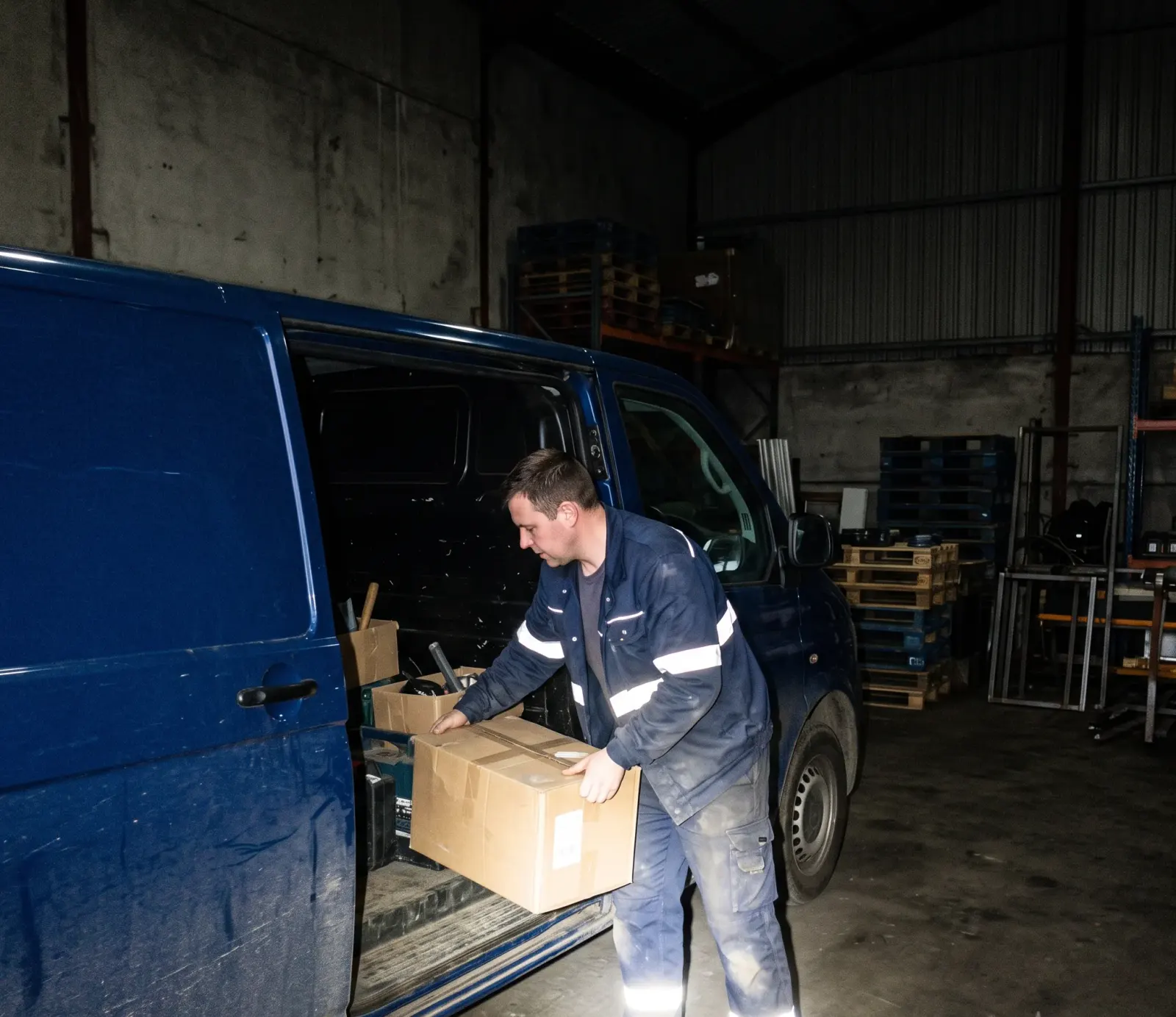
Plan warehouse water extraction around mapped wet areas, equipment access, inventory limits, and operating schedules in Spokane Valley.
Map the wet floor zones, equipment, inventory constraints, and usable access routes, then review that plan with an independent extraction provider. Agree on the removal boundary, work timing, and any separate moisture checks before affected areas return to use.
Start by tracing the water on a floor plan, then mark the equipment and stock that limit access, and finally agree on what extraction will cover. For warehouse water extraction in Spokane Valley, commercial water extraction cost can reflect the layout and handling needs as much as the visible pool. A long, shallow spread through open space presents different access and staging questions from water contained within a few separated work areas. A basic map gives the pros we connect you with a clearer starting point for discussing scope.
Mark the edges of visible water, floor drains, slopes, doorways, and any point where water changes direction. At a Spokane Valley facility, a separate mark for each bay or low section can help distinguish connected water from isolated pools without assuming where it traveled. Note whether the marks came from direct observation or an estimate. That distinction can help the pros we connect you with plan a walk-through and identify areas that need closer attention before removal begins.
Show where stored goods, racks, and fixed machinery narrow the route to standing water. A facility with access near U.S. Route 2 may still have interior pinch points that affect where equipment can be placed and how people can move. Identify which items can be shifted by facility staff and which require separate handling decisions. In Spokane Valley, this lets the extraction discussion account for the floor as it is used, without assuming inventory can simply be moved aside.
Choose a site contact who can explain the floor plan, access rules, and who may approve temporary changes to work areas. Walk through the dry approach routes first, then point out doors, restricted zones, and the locations where extraction equipment could be staged. If a Spokane Valley facility has entrances serving different operations, note which one is appropriate for the affected area. The pros we connect you with can use that information to discuss entry and work sequencing before equipment or inventory is disturbed.
Look for water near electrical equipment, outlets, wiring, or powered machinery before anyone enters a wet area. A humming control cabinet or a lit status panel does not establish that nearby standing water is safe to cross. Keep people clear and seek qualified assistance if electrical safety is uncertain. Mark the hazard from a safe position on the floor plan so the pros we connect you with can understand the restriction. Do not send staff through standing water to make a closer inspection.
| Floor area | Nearby assets | Route limits |
|---|---|---|
| Water pattern | Pooled water and damp boundaries | Mark affected sections on the plan |
| Floor levels | Ramps, pits, and raised pads | Note where water collects or changes level |
| Power and controls | Wet machinery or electrical panels | Keep unsafe areas closed pending qualified guidance |
| Production assets | Fixed lines and operating machinery | Identify restricted shutdown zones |
| Stored material | Cartons, pallets, and rack contents | Flag items to move or isolate |
| Movement paths | Loading lanes and turning space | Keep a route open for removal equipment |
| Work schedule | Active shifts and quiet intervals | Agree when each area can close |
| Site reference | Spokane Valley, Hill Park, Liberty Lake | Match the floor map to its facility |
Agree on the work boundary before removal starts: which mapped areas are included, which are inaccessible, and which concerns need a separate decision. For a Spokane Valley operation, a short written scope tied to recognizable floor locations can help facility staff understand what was addressed. Keep the description focused on water removal and any limits encountered. It should not suggest that extraction alone repairs a leak, resolves contamination concerns, or confirms that all materials are dry.
Use a consistent floor-plan key for affected zones, access restrictions, and areas left untouched. If water appears in a second location during the walk-through, add it as a separate observation rather than stretching the first boundary to cover it. This gives the facility contact and the pros we connect you with a shared reference as conditions change. It also helps prevent a shorthand label such as “east side” from becoming unclear across a large Spokane Valley building.
Before work begins, decide who can authorize access, who can move inventory, and who needs updates when a route or work zone changes. A facility contact may handle floor access while an operations lead decides whether a nearby process can pause. The pros we connect you with can clarify which decisions belong to their extraction scope and which need the facility’s approval. In Spokane Valley, settle those points before removal reaches a work area with restricted entry.
Large open floors can make boundaries hard to see once people and handling equipment begin moving through the building. Mark a clear edge around the work area and agree how staff will recognize it from the permitted approach. Where access runs near Highway 290, the approach to a facility still needs to be checked against its actual interior rules and routes. The map should help prevent routine movement from carrying people or inventory through an area set aside for extraction.
Inventory decisions should account for what can be relocated safely, what must remain in place, and what needs a clear route for later handling. A pallet that blocks access to pooled water may require an authorized move, while a secured machine may be outside the extraction provider’s role. Identify these constraints on the Spokane Valley floor plan before work is scheduled. That helps keep extraction planning separate from decisions about product disposition, equipment repair, or other specialized handling.
When standing water is gone, damp flooring or other materials may remain. Ask whether a separate moisture assessment is planned and which areas it would cover; drying equipment may be considered afterward if checks show it is needed. Near CenterPlace, for example, the relevant point is the condition of the specific affected facility, not its distance from a local landmark. Water removal by itself does not establish that a large Spokane Valley floor is dry or ready for normal use.
The appearance of water alone may not identify its source or contents. Tell the provider if staff have reason to suspect sewage, chemicals, or another contamination concern, and ask whether that requires a separate scope before entry or removal. Keep people away from uncertain water while that question is addressed. A facility contact in Spokane Valley can also flag whether a suspected active source needs attention from a separate qualified party, since extraction does not stop or repair the cause.
Plan temporary closures against how the facility actually moves people and goods. Mark routes that can close, alternate paths that remain usable, and any point where a work boundary would interrupt handling or access to equipment. A Spokane Valley site near Sullivan Park still needs a plan based on its own floor layout and operating requirements. Agree who can change that plan if water or access conditions differ from the initial walk-through.
Before calling, prepare the facility address, a simple marked floor plan, and the name of a contact who can explain access limits. Include what staff have observed about the water, where equipment or inventory blocks entry, and any area that should remain undisturbed. Ask the pros we connect you with to discuss the proposed extraction boundary, site access, and how limits will be recorded. This gives a Spokane Valley facility a practical basis for arranging large facility water extraction without assuming every floor area is reachable.
Start by noting where water is visible, then mark the affected floor areas and the routes staff can safely use. In Spokane Valley, a basic site map can show rack rows, fixed equipment, and inventory that cannot be shifted, giving an independent provider a practical basis to discuss access and extraction boundaries. Large facility water extraction removes standing water; it does not confirm that materials are dry. Agree on what work will be recorded and how operations will handle any follow-up moisture checks or drying before planning a return to affected areas.
If a home has pooled water, review the communities below to see which local service area to contact and ask about address-level availability, includingSpokane, Spokane Valley and Liberty Lake. Before booking, clarify whether arrival or mileage is billed, then have the proposal distinguish water removal from any follow-on drying.
Commercial estimates often start with a visit charge, then account for the area affected and whether follow-up extraction is needed. $700–$1,400 gives a reference point, while water volume, equipment access, and the number of separate spaces can shift the amount quoted.At a commercial property in Spokane Valley, affected rooms, water depth, floor access, and contents or equipment to move can change the work list and estimate. For a site near Town Square Park, tell the pros we connect you with about those conditions, any restricted entry, and areas needing attention, then request the proposed tasks and estimate in writing.For full Emergency Water Extraction price ranges, consult pricing guide; commercial overview outlines commercial removal and follow-up for moisture that remains.
Healthcare Water Removal
Campus Water Removal
Restaurant Water Extraction
Use a floor plan or a simple hand sketch, and label zones by the facility’s own bay, dock, or department names. Mark visible pools separately from damp edges and note where water appears to pass beneath stored goods or equipment. A Spokane Valley site contact can walk through those marks with an independent provider so both sides can describe the same work area and identify any uncertain boundaries.
Yes, if the site team and provider agree on safe access and operating limits first. Note machinery that must remain powered or untouched, inventory that cannot be relocated, and aisles needed for active work. At a Spokane Valley facility, operations leads can identify a suitable entry path and work period; the provider can then explain where extraction equipment can reach and which areas remain outside the agreed scope.
The estimate may reflect the floor finish, water depth, affected area, and how much of the work is slowed by fixed machinery or tightly packed stock. A concrete floor with open access can require a different approach from a finished surface beneath loaded shelving. Ask the provider to describe the assumptions behind the estimate and identify any portions of the floor that could not be reached during the visit.
No. Extraction takes away pooled water, but damp materials may remain after the visible water is gone. Ask whether moisture checks and drying equipment are proposed as follow-up work, and how that work would affect access to storage or production areas. The facility team can use the agreed work boundary to plan which areas need review before regular operations resume.
Prepare a floor map with wet zones and access constraints, then ask an independent provider to review scope and timing with facility operations.
Call (509) 800-4628