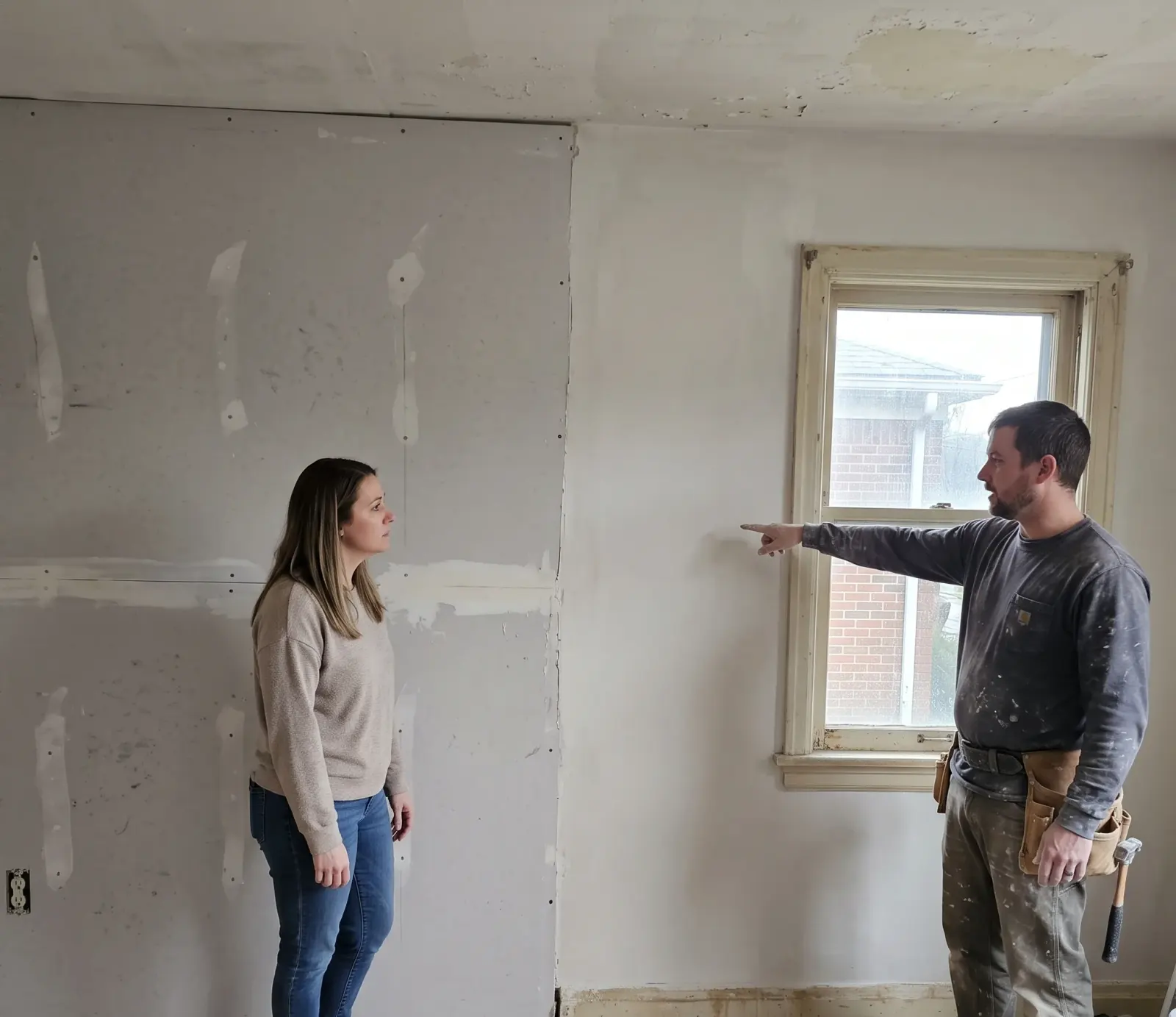
Walking Through Standing Water
Learn when walking through standing water in a Spokane Valley property is unsafe, what floor and electrical clues to watch for, and how to keep others clear.
Read article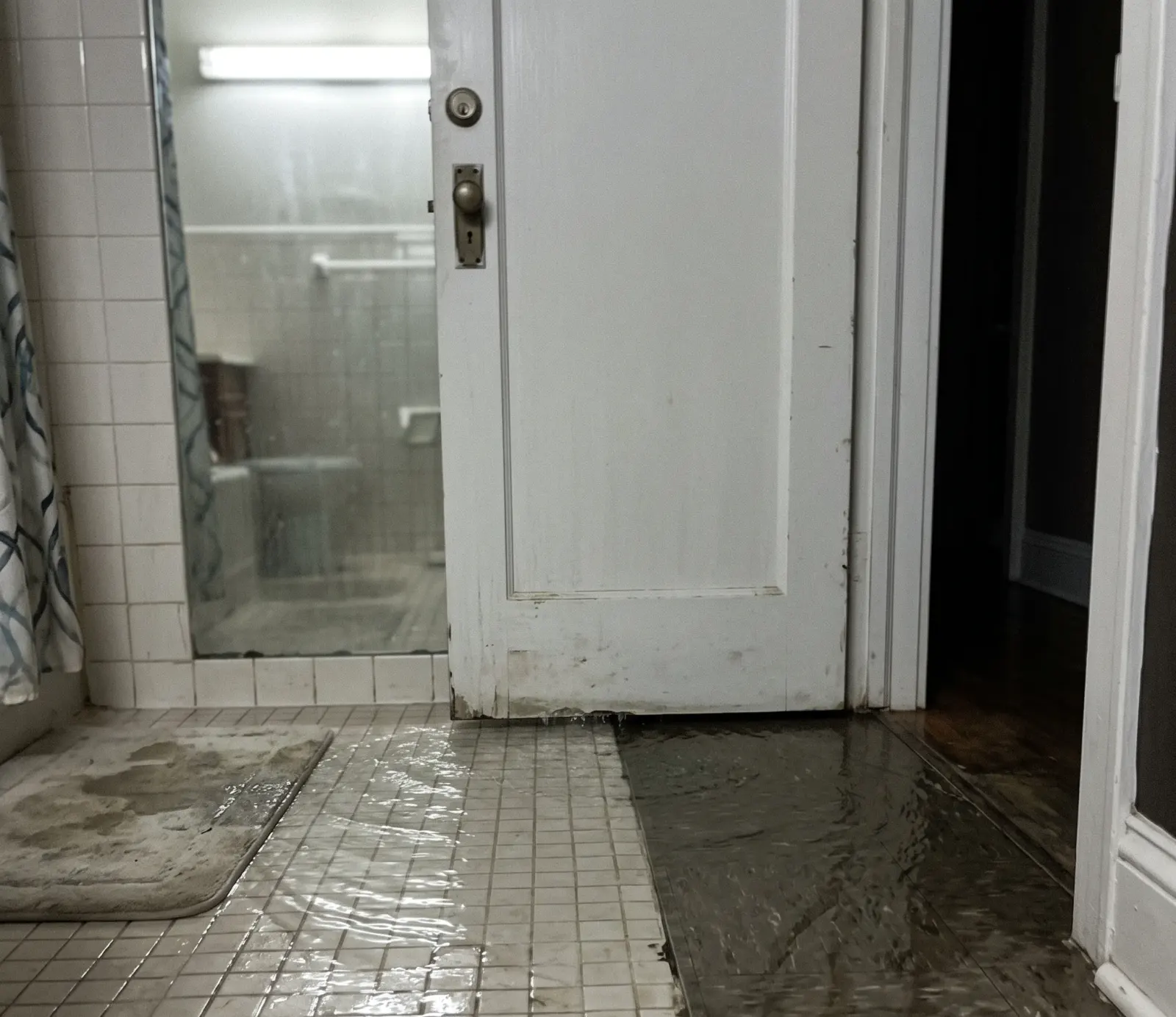
Remove tile-surface water, note grout and floor layers, then assess moisture
After a cold Spokane Valley night, a thaw or a plumbing leak can leave water shining across a tiled entry or kitchen. A homeowner may notice that the grout looks darker near a doorway, while the tile farther into the room appears unchanged. That pattern helps describe where water is visible, but it does not show what lies beneath the tile. In neighborhoods near Town Square Park, the first useful step is to note the wet rooms, the edges where water gathers, and any flooring layers the owner knows about.
For a Spokane Valley estimate, the pros we connect you with need to understand the tiled area, how deep the pooling is, and whether furniture or narrow passages limit work space. Tile floor water extraction generally starts with checking the surface and reachable joints, then removing pooled water with suitable equipment. The written scope should say which rooms and edges are included. Larger wet areas, difficult room layouts, or added moisture checks can change the work and its duration; drying remains a follow-up question.
In Spokane Valley, cold-season freezing is part of the setting, but it does not establish a loss at any home; Tile Floor Water Extraction addresses water after intrusion occurs.
When the address is a dwelling, residential emergency water extraction sets out that service; for a managed or work property, commercial emergency water extraction explains the applicable approach.
A grout line that stays darker than the surrounding floor after surface water is blotted can be a useful detail to report. In Spokane Valley, mark which joints look different and whether the appearance changes across the room; grout color alone cannot confirm how much moisture is present. A provider can include those observations when planning water removal from tile floors and deciding which accessible points may need moisture assessment. The estimate should distinguish visible extraction from checks of materials below the tile.
Water that gathers again beside a threshold after the main pool has been removed may show that the floor has an uneven edge or that water is still moving from another part of the room. A homeowner in Spokane Valley can note when and where the water returns, without assuming the tile itself is the source. That detail helps the pros we connect you with define the surface area to extract. An ongoing leak needs attention outside the extraction scope.
A hollow sound when a tile is tapped, a loose corner, or a change in how the floor feels deserves a separate note after a water event. Those observations do not prove what is happening below the finish, but they give the assessor specific spots to consider. For a Spokane Valley home, record the room and tile location, and mention known underlayment or slab construction. Cracked grout or a musty odor near the tile can also help identify areas that may need closer review.
Describe the Spokane Valley rooms with visible pooling, the grout or doorway edges involved, and any floor layers the owner knows.
The provider reviews tile coverage, room shape, and equipment access, then defines the extraction area and any requested moisture checks.
Suitable equipment removes pooled water from the tile surface and reachable joints within the agreed scope.
The provider records accessible moisture findings and clarifies which areas may need a separate drying plan.
Tile can hide a change in moisture from view: the surface may look even while grout joints or accessible material at an edge tell a different story. In Spokane Valley, an owner should treat extraction and assessment as distinct parts of the decision. Removing visible water addresses the immediate pool; moisture readings can help identify areas for follow-up drying. A clear scope keeps that distinction visible and gives the homeowner a record of what the estimate includes.
When comparing estimates in Spokane Valley, ask for the affected tile rooms, included edges, equipment work, and any moisture assessment to be listed separately. A written scope and photos of the visible water can help an owner explain what was addressed to an insurer. Ask the licensed pros we connect you with whether nearby flooring and belongings will be protected during the work. If the proposed scope expands into repairs, ask how that work is handled and documented.
A home near Ridgeline High School and one closer to Otis Orchards School can have very different room layouts, tile coverage, and paths for bringing equipment inside. Those practical details matter more to an estimate than the property's proximity to the Spokane River, which does not establish flood exposure at that address. Describe the affected floor and known layers when requesting help. Ask the pros we connect you with to record what they observed and which moisture checks remain outside the extraction work.
For a home by U.S. Route 2, Tile Floor Water Extraction amounts in Spokane Valley remain provisional until the pros we connect you with disclose the callout charge and document what extraction includes.
| Affected Building Areas | Standing Water Pickup | Further Drying Steps |
|---|---|---|
| Shallow water | Accessible floor pooling collected within the listed work zone | an estimated $250–$1,200 |
| Floor-level reach | Accessible room pooling collected as the extraction portion | an estimated $290–$1,560 |
| Across rooms | Collected water removal from reachable parts of an intrusion | an estimated $250–$1,200 |
| Building scale | Accessible water collection; moisture checks and drying listed separately | an estimated $600–$4,800 |
A quote for removing water does not automatically include stopping its source, sewage cleanup, mold work, or rebuilding. Ask the provider to identify any of those tasks separately and note material upgrades. The full pricing guide can help clarify how added work changes the overall scope.
A provider can use extraction equipment appropriate to the amount of pooled water, making passes across the tile and giving attention to grout joints and reachable edges. In a Spokane Valley home, the room's layout and access to the wet area can affect how the work is done. The estimate should identify the rooms included and whether moisture assessment is also being provided, since surface extraction alone does not establish what is beneath the tile.
Grout joints and the transitions at doorways can retain visible water after the center of a tiled room has been cleared. The pros we connect you with can include those accessible areas in the extraction scope and note any spots that need closer moisture assessment. In Spokane Valley, tell them where pooling collects and whether it appears again after blotting. Water removal from tile floors does not by itself confirm conditions beneath the finish.
Moisture assessment can use readings at accessible points around or beneath the tiled area, depending on the floor construction and what can be reached without opening it. Those results help identify where further checks may be useful, but they are not the same as removing standing water. For a Spokane Valley estimate, ask which locations will be checked and whether the written findings distinguish observed readings from areas that could not be accessed.
The estimate can vary with the tiled area involved, the depth and spread of pooling, room shape, and how much equipment access is available. Extra assessment of reachable edges or other specified points may also affect the scope. In Spokane Valley, give the provider a clear description of each wet room and known floor layers so the written estimate can identify what is included. Ask that any proposed follow-up work be shown separately.
A reliable time estimate depends on how much tile is affected, the volume of pooled water, and whether furniture or room configuration slows access to the floor. A compact open room may be handled differently from several connected tiled areas. In Spokane Valley, describe the layout and affected edges when requesting help. Ask whether the estimate includes protecting nearby flooring and belongings while the wet tile is being handled.
An extraction estimate should describe removal of visible pooled water from the tiled areas it names. It may also list moisture assessment as an added or separate item, with the locations and limits of those checks made clear. Drying equipment can be a later step based on assessment findings. In Spokane Valley, request a written scope that records the water removal work and any remaining questions about the floor assembly.
The estimate is $700–$1,400 for the work described. The provider confirms the figure after reviewing water volume, affected materials, access, and the agreed scope.
Consider what extraction covers and which concerns may require separate attention afterward.
Learn when walking through standing water in a Spokane Valley property is unsafe, what floor and electrical clues to watch for, and how to keep others clear.
Read article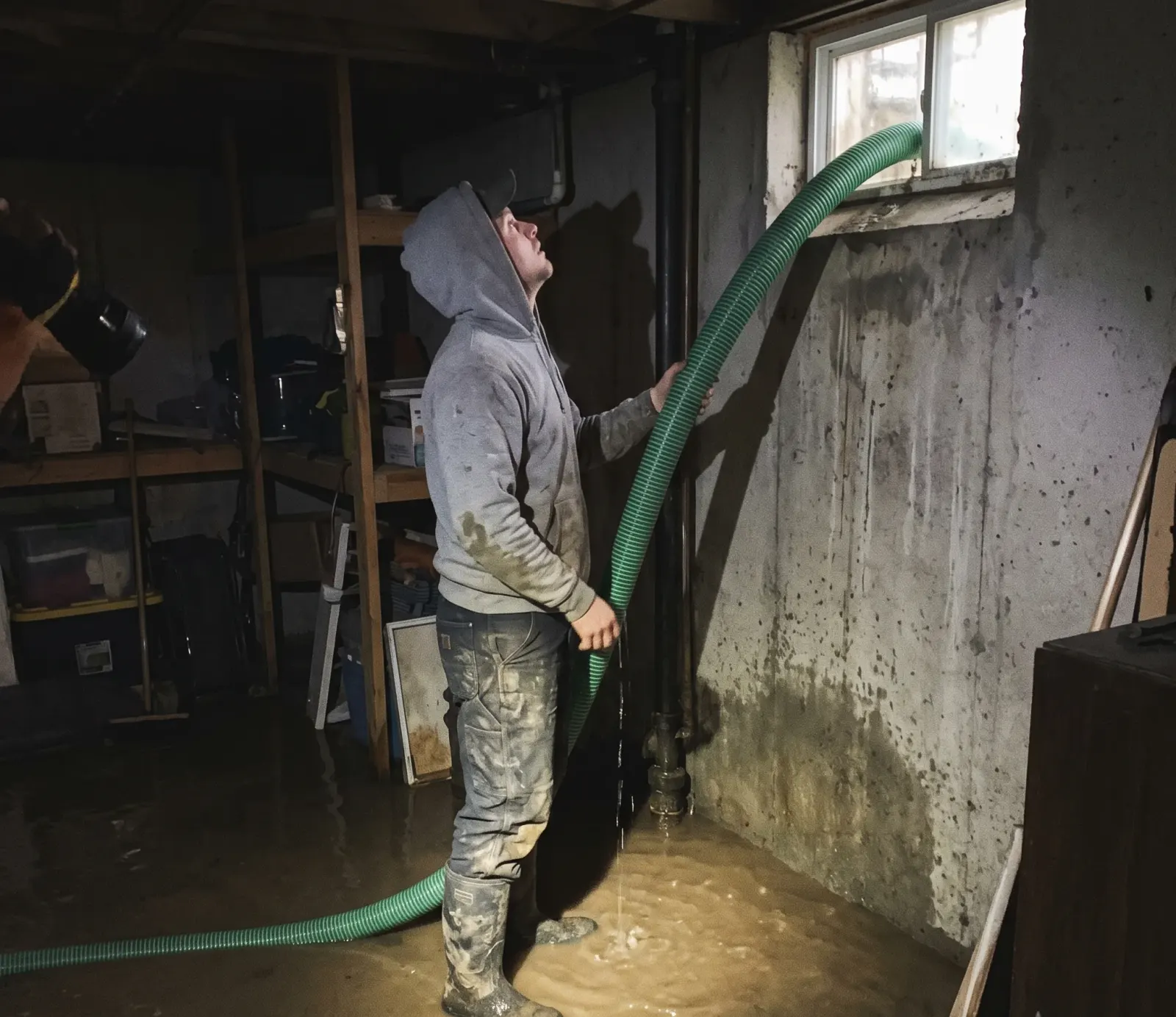
Can a Spokane Valley homeowner stay home during water extraction? The decision may depend on whether affected rooms can be kept separate from daily living space.
Read article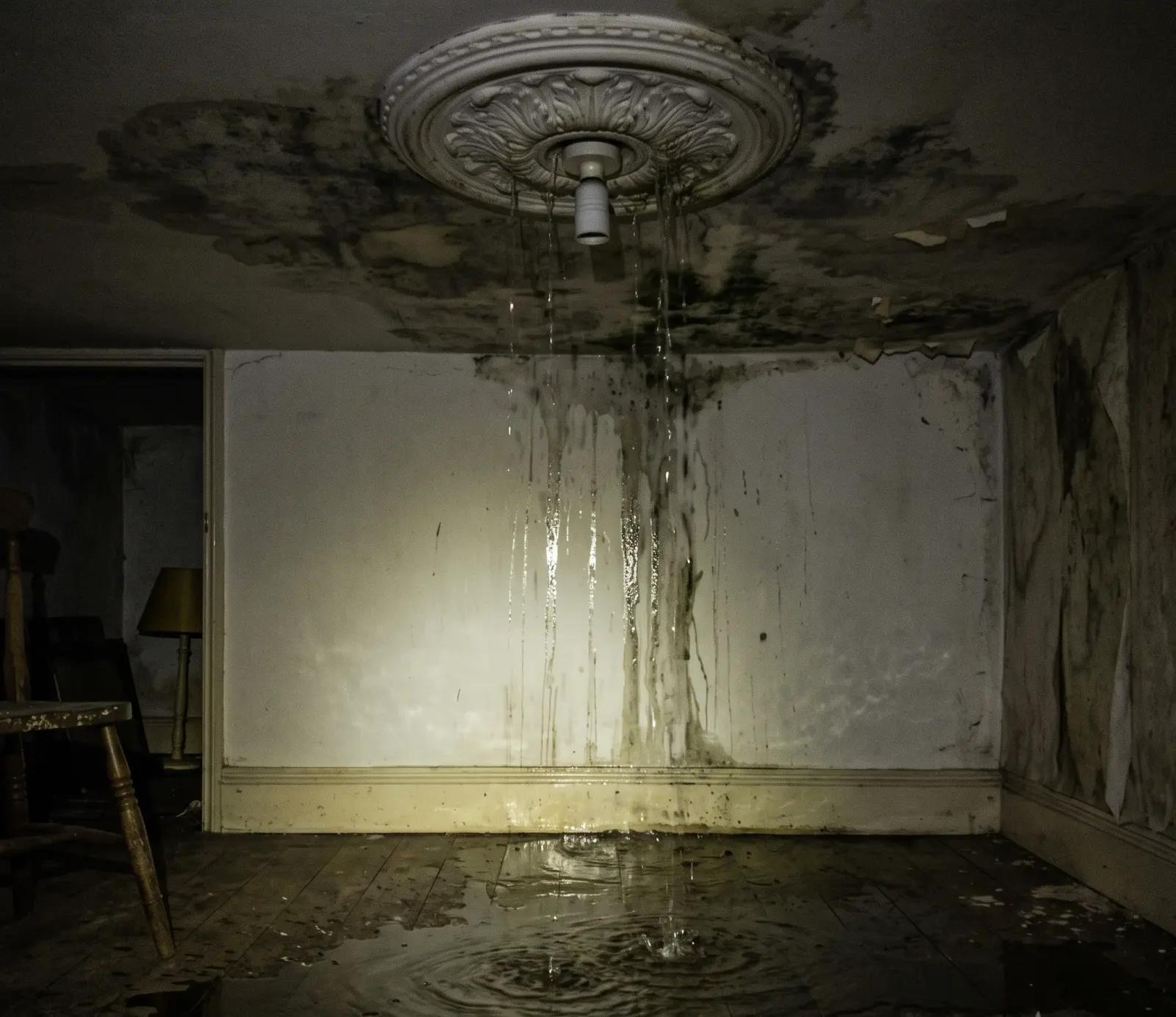
Can water extraction begin while a leak is still feeding a pool? Learn what affects safe access, recurring water, and coordination with source repair in Spokane Valley.
Read articleService coverage can vary by address, even within the same broad area. A homeowner near U.S. Route 2 in Spokane Valley can share the nearest cross street, the room involved, and whether water has reached flooring or stored belongings, then ask if the request falls within the provider’s service area. Confirm possible timing and any visit fee before scheduling. The written scope should identify the water removal work and note any separate assessment or drying that may be recommended.
Call (509) 800-4628