Water gathers again along the edge of a floor opening
Water may collect along low edges or beneath nearby items before it is easy to see.
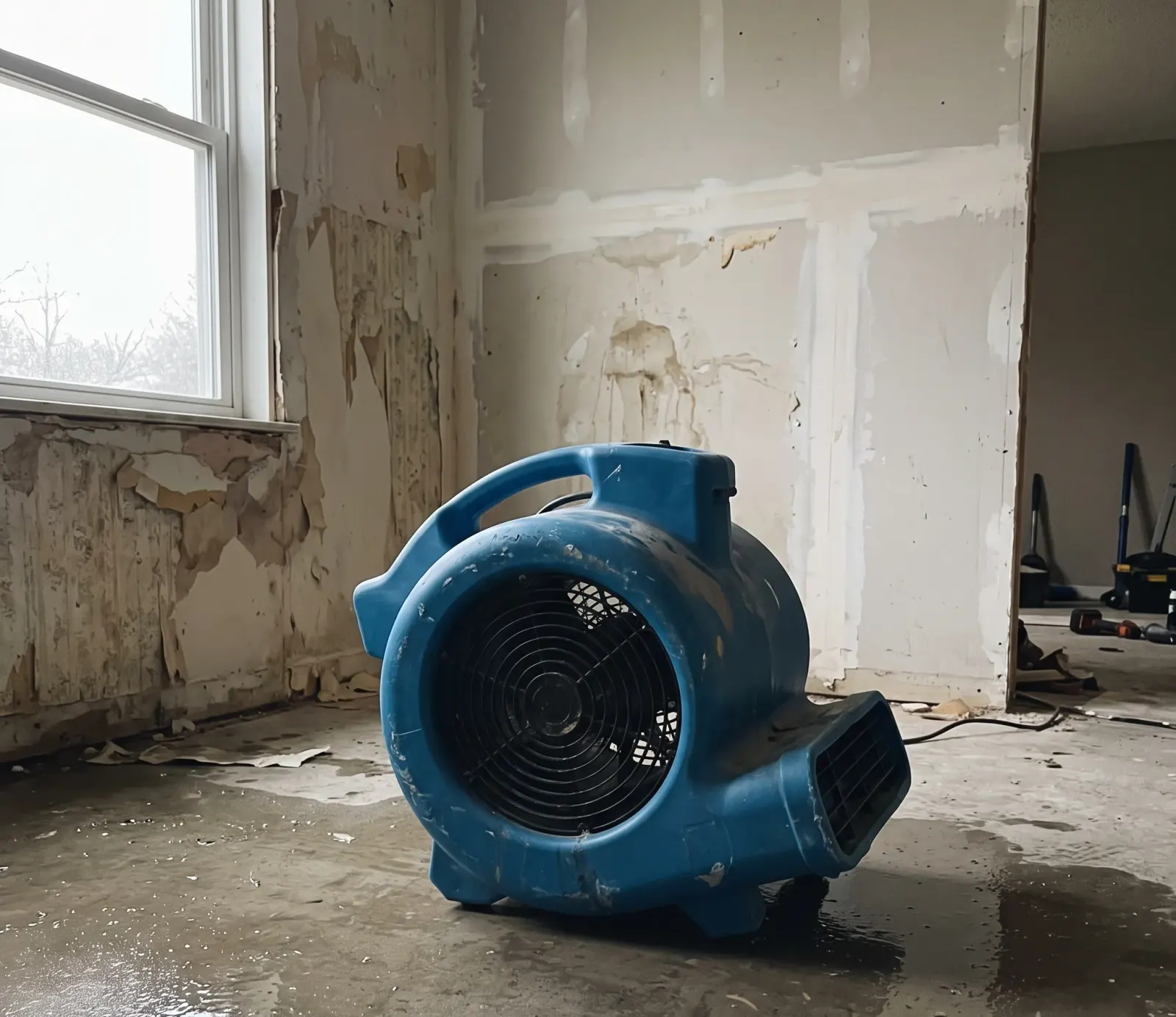
Spokane Valley’s cold-season freeze potential can be relevant when water enters a home, but the season does not reveal which materials are wet. After removal, ask whether assessment found moisture that calls for structural drying after extraction.
Water extraction removes accessible standing water. Moisture can remain in flooring, subfloors, or other materials, so separate assessment may be needed to decide whether drying equipment belongs in the scope. In Spokane Valley, ask the provider to identify removal and follow-up work as distinct tasks.
Calls often follow a check that finds water extending beyond the fixture or appliance that released it.
Water may collect along low edges or beneath nearby items before it is easy to see.
A damp lower wall after the floor looks clear can mean moisture reached materials beside the original pool. Surface removal may leave that area untouched. Note where the dampness appears and ask whether those materials fall within the Spokane Valley assessment and drying scope.
A newly uneven or lifted floor can indicate that flooring or material below it has been affected by water. The change does not show how far moisture extends. In Spokane Valley, point out the altered area so the provider can determine whether it needs assessment beyond pooled water removal.
A stale, damp odor after visible water is gone can be a reason to ask about moisture remaining nearby. Smell alone cannot identify the wet material or required work. Describe when and where it occurs, then ask whether the Spokane Valley scope includes checking that area.
A water mark shows where water touched the wall, but it cannot show the full extent of moisture inside it. Photograph the mark and its location before cleanup changes the evidence. In Spokane Valley, use it to identify an area for discussion, not as proof that drying is complete.
Spokane Valley has seasonal winter freeze potential, so a water intrusion may be followed by a need to distinguish removal from work on moisture left in materials. A household fixture leak can leave pooled water even without outdoor flooding.
A home near Sullivan Park or CenterPlace still needs an address-specific assessment after water enters. The Spokane River and local landmarks provide geographic context, not evidence about a property’s condition. The relevant questions remain which water can be removed and whether affected materials need separate drying.
A city name on mail may not show which local jurisdiction contains a property in Spokane Valley and Spokane. When asking about extraction, share the property’s location with the pros we connect you with so they can check the applicable service area.
Structural drying after extraction. These terms can appear together in one cleanup proposal, but they describe separate work: extraction takes away accessible pooled water, while drying equipment addresses moisture that remains in materials. Compare the proposal’s work descriptions. A line for standing water removal covers pooled water; lines for moisture assessment or structural drying after extraction describe different follow-up work. In Spokane Valley, ask that each included task and affected area be named separately so the scope is clear.
Nearby belongings may need to be moved to make affected flooring accessible. They can explain how the proposed extraction scope relates to the subfloor and other materials. In Spokane Valley, the written scope should distinguish water removal from follow-up work.
After removal, the provider may check for moisture in affected materials and decide whether drying equipment is appropriate. Drying addresses moisture left behind; it is a separate function from taking away pooled water. Ask which areas were considered and what follow-up work is included in the Spokane Valley proposal.
If pooled water is limited to an open area, removal may be completed in one visit. Water beneath flooring or across multiple rooms can call for later moisture checks and drying equipment. Ask the pros we connect you with to explain what would prompt another visit and what that work covers.
| Equipment Used | Early Action |
|---|---|
| Water covering interior floor surfaces | Post-removal drying |
| Wet areas refill after the first pass | Pumps or wet vacuums |
| Pooled water in separate living spaces | Floodwater drawn out; moisture drying arranged |
Ask for written approval before the scope changes or extra work begins. For a Spokane Valley job near CenterPlace, ask the pros we connect you with to itemize standing-water removal, moisture assessment, drying, and any repairs on the invoice. Separate entries show which tasks the proposed scope covers without presenting a state license as proof of extraction work.
Water left in flooring or a subfloor can keep those materials damp after the room’s pooled water is removed. If remaining moisture is not addressed, materials may deteriorate and later require repair. Moisture that lingers can also affect finishes next to damp flooring.
Keep people and pets away from standing water when outlets, appliances, or wiring may be affected. If a water supply shutoff is safely reachable, a homeowner may turn it off; do not enter an unsafe area to do so. In Spokane Valley, note visible water and wait for qualified help if safety is uncertain.
Start with the visible water: extraction removes standing water from floors and other affected areas. In Spokane Valley, a homeowner near Greenacres Park may find the surface clear while flooring or nearby materials still feel damp. That difference is why water extraction vs drying matters: moisture assessment can identify areas for structural drying after extraction. Ask the pros we connect you with whether assessment and drying are part of the proposed scope.
Describe how far the water spread, how deep it remains, and which rooms are reachable; ask the pros we connect you with for an itemized removal estimate.No verified Spokane Valley price band is available; any guide should serve only as a reference for extracting water from the stated area. It excludes leak repair, contaminated-water cleanup, and later drying. For a home near Otis Orchards Library, ask the pros we connect you with to confirm visit charges and included work in a written estimate.Use pricing guide to compare complete cost ranges, then visit Subfloor Water Extraction for urgent removal of pooled water.
Choosing a Removal Approach. A wet surface can become slippery while water is being…
Spokane Valley Cost Guide. Emergency water extraction cost reflects the water’s amount…
While You Wait. While waiting for water removal, note where water first appeared, how far…
Water extraction removes accessible pooled water from floors and other affected areas. It can leave moisture in a subfloor or other materials, so clearing the visible water does not establish that the structure is dry. A moisture check can help show whether hidden areas still need attention.
Extraction does not stop water from entering through an active leak or other source. If the source continues, water may return after the removal work; stopping it is a separate task. A homeowner in Spokane Valley should clarify whether the proposal covers only water removal or also includes work to address the source.
The amount visible on the floor may not show how far moisture reached into flooring or the subfloor. Those materials can need attention even when little water remains in the room. Ask for the affected areas and materials to be identified in the Spokane Valley work scope, with any assessment or drying shown separately.
Drying is considered when moisture remains in materials after pooled water is gone. The needed work depends on what materials are affected and what the provider finds; extraction alone cannot settle that question. Ask what would indicate that drying is needed, and have the proposed work and its completion criteria stated in writing for the Spokane Valley property.
When speaking by phone with the pros we connect you with, note what the owner has observed and when it began. Confirm any charge for the visit before scheduling, then request findings and proposed work in writing, with water removal and later moisture assessment or drying listed separately.
Call (509) 800-4628