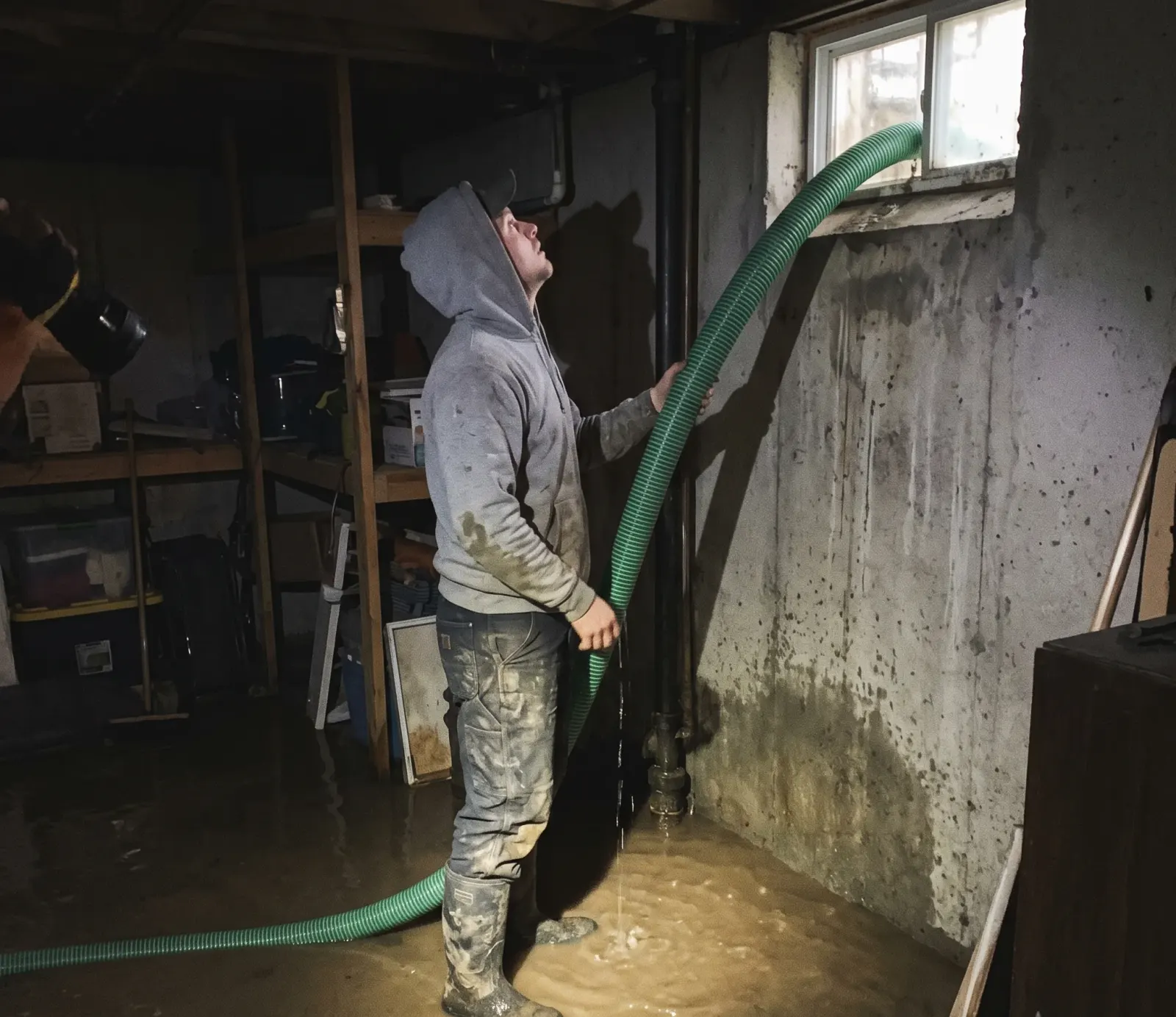
Staying During Extraction
Can a Spokane Valley homeowner stay home during water extraction? The decision may depend on whether affected rooms can be kept separate from daily living space.
Read article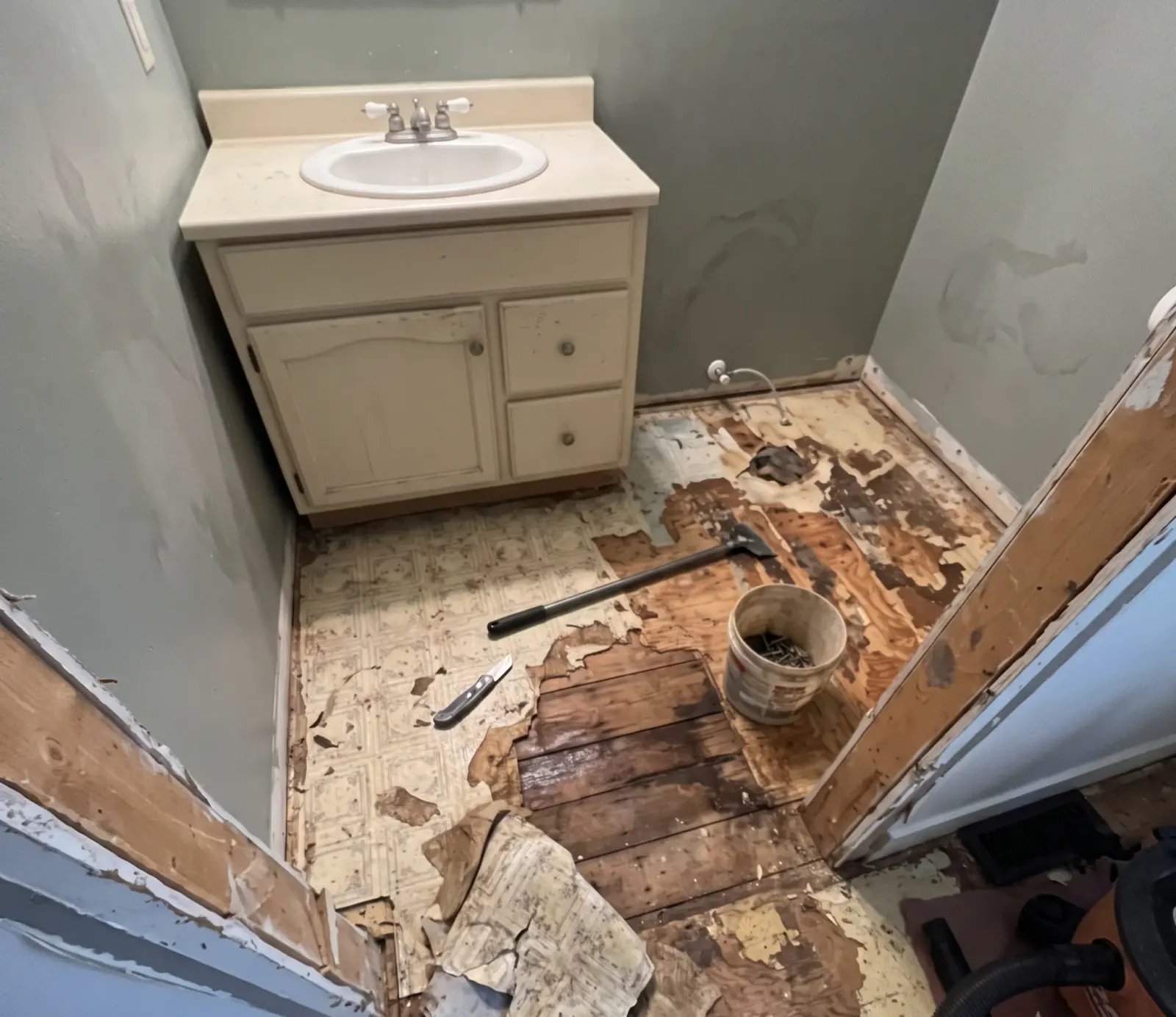
Check electrical and entry hazards before planning access beneath Spokane Valley floors
In Spokane Valley, a supply-line break or appliance leak can send water past a flooring edge and leave it under the finished surface. A homeowner may see the room’s visible puddle shrink while dampness appears near a doorway or baseboard. That does not show how far water traveled below the floor. The Spokane River corridor is part of the city’s setting, but it does not establish flood exposure at any particular home. Keep clear of water near electrical equipment and arrange a safety check if conditions are uncertain.
For underfloor water removal, the pros we connect you with need to identify the floor assembly, affected rooms, and any existing edge or opening that could provide access. In Spokane Valley, the route from a home near Mirabeau Point Park or Avista Stadium can affect arrival logistics, while the room layout determines where equipment can be placed. The estimate and schedule depend on the access plan and work area. If safe access cannot be established, work should pause until the concern is addressed. Share known openings when requesting help.
Across Spokane Valley, Subfloor Water Extraction starts with where water has collected; homes near Town Square Park and Rocky Hill Park can present different removal needs as room conditions vary.
For a residence, residential emergency water extraction outlines the household service; owners responsible for shops, offices, or rental buildings can compare the commercial scope at commercial emergency water extraction.
A musty smell that seems strongest near a floor joint or room entrance can be a clue that moisture is trapped below the surface. In Spokane Valley, note which rooms have the odor and whether it changes near an opening, but do not treat smell as proof of the water’s path. A provider can check accessible areas and assess moisture after standing water is removed. A soft or uneven spot underfoot can also signal that moisture has affected the floor assembly.
A door that begins rubbing against the floor or no longer closes as it did may point to a change in the nearby flooring after water intrusion. The symptom alone cannot show whether liquid remains beneath the surface, and forcing the door may damage it. Record which doorway is affected and tell the pros we connect you with. In Spokane Valley, include nearby rooms in the description so the inspection can account for connected floor areas.
If a damp line returns along the bottom of a wall after visible water has been wiped away, moisture may be moving from beneath the floor toward the edge. Avoid pulling trim or lifting flooring to investigate, especially if the area is wet or electrical safety is uncertain. Describe the location and timing to a local independent pro. A homeowner in Spokane Valley can also mention whether the affected room meets a hall or adjoining space.
The pro identifies affected rooms, flooring construction, and visible access points, then checks whether electrical or structural concerns make entry unsafe.
The pro compares available edges or openings with the floor assembly to choose a route that can reach trapped water with suitable equipment.
A pump or wet vacuum removes standing water reachable through the agreed route; newly found areas may require a revised scope.
After removal, moisture assessment identifies materials that may need drying, which is handled as a separate next step.
Water beneath flooring can escape notice while the visible room seems usable. In Spokane Valley homes, a floor assembly and its available edges or openings determine whether a pro can reach pooled water without disturbing more material than needed. If electricity or structural safety is uncertain, entry should wait for qualified assessment. Extraction addresses standing water; moisture can remain afterward, so assessment and any drying are a separate next step.
Spokane Valley includes homes across a broad area, so share the full street address and the safest equipment access point when requesting help. A home near Greenacres Park and one closer to Sullivan Park may involve different routes and parking conditions; the address helps the provider plan the visit. Give the names of affected rooms, flooring type, and any known floor openings. Do not infer a property’s flood status from its ZIP code or proximity to the Spokane River.
Ask for a written description of the proposed access route, what standing water removal includes, and what conditions would pause the work. In Washington, contractor registration applies to construction and repair work; do not assume that emergency extraction alone carries the same requirement. If opening or repairing building materials becomes part of the plan, ask which work is included and confirm the provider’s registration for that work. Keep the estimate and notes for your records.
For a home by U.S. Route 2, Subfloor Water Extraction amounts in Spokane Valley remain provisional until the pros we connect you with disclose the callout charge and document what extraction includes.
| Wet Rooms and Surfaces | Pump or Vacuum Work | Materials Needing Drying |
|---|---|---|
| Shallow water | Visible water gathered from the included part of the property | an estimated $800–$2,400 |
| Floor-level reach | Reachable water gathered from the room or section listed | an estimated $920–$3,120 |
| Across rooms | Water extraction limited to the affected floor zone named | an estimated $800–$2,400 |
| Building scale | Reachable pooling removal; damp-material drying assessed separately | an estimated $1,920–$9,600 |
Ask whether drying or longer-lasting replacement materials are part of the selected scope, since either can shift the total beyond water removal. The full pricing guide explains these additions; a written estimate lets the owner see which work is included before approving it.
A pro first checks the affected rooms, floor type, and safe access. If an existing edge, gap, or opening reaches the subfloor, a pump or wet vacuum may remove water through that route. In Spokane Valley, tell the provider about known access points and which rooms connect, so the proposed route can fit the home. The provider can also look for water that may have reached nearby wall edges or trim.
No. No. A visible surface change does not by itself mean the flooring must be removed. The pro should explain the proposed opening or route and its reason before work begins. A homeowner in Spokane Valley can describe the floor covering and any visible edges or gaps when arranging an assessment; avoid removing material without first considering electrical and structural safety.
There is no dependable way to confirm hidden water by sight alone. A returning damp edge, unusual odor, or change at a doorway may justify an inspection, but none establishes how much water is below the floor. Water may collect at a low point beneath the floor even when the visible edge looks dry. A moisture assessment after extraction can help identify damp materials.
A provider cannot give a reliable schedule until a safe route to the underfloor space is established. If the available opening does not reach the water, the owner may need to decide whether to approve another access method; that decision can affect when removal proceeds. In Spokane Valley, describe known openings and room connections when arranging help, and ask what could cause the work to pause.
Ask for a written estimate that names the rooms, access method, and water removal work being proposed. It should also explain what would count as a change in scope, so the owner can review new work before it proceeds. Keep photos and the written record to share with an insurer if useful; coverage or reimbursement depends on the policy and claim decision.
Water can travel through seams, edges, or wall cavities and collect on the subfloor, so a dry-looking surface may conceal pooled water. In Spokane Valley, describe each affected room, flooring type, visible swelling or soft spots, and any existing vent, crawlspace, or other access point when contacting the pros we connect you with. If boards bow or the floor gives underfoot, keep people off and report it; extraction can use available openings, followed by moisture assessment and drying.
For Emergency Water Extraction, use $700–$1,400 per extraction as a planning estimate. The pros we connect you with confirm the figure after reviewing what is wet, how much water is present, access, and agreed scope.
Start by separating pooled water from the moisture questions that may remain indoors.
Can a Spokane Valley homeowner stay home during water extraction? The decision may depend on whether affected rooms can be kept separate from daily living space.
Read article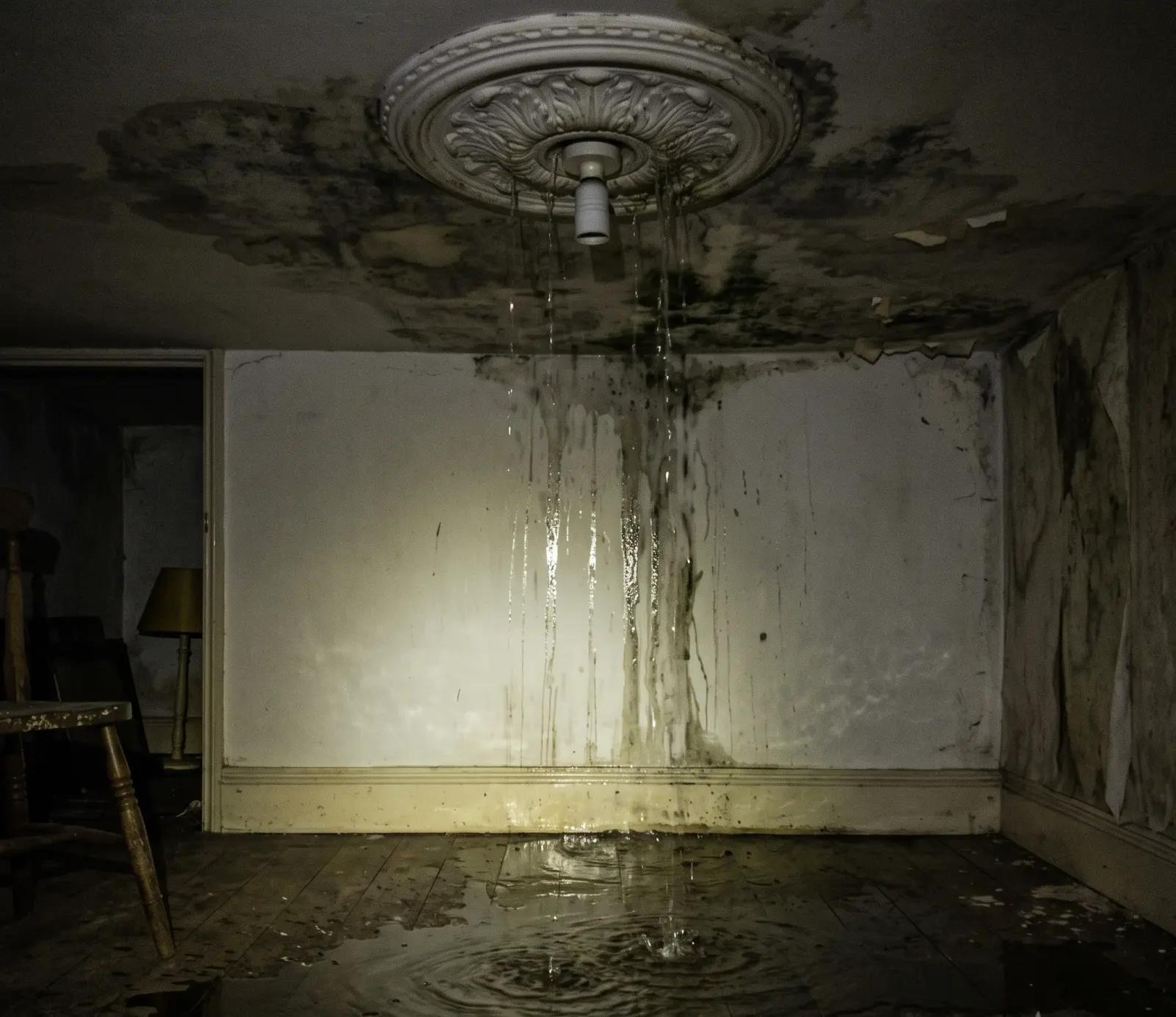
Can water extraction begin while a leak is still feeding a pool? Learn what affects safe access, recurring water, and coordination with source repair in Spokane Valley.
Read article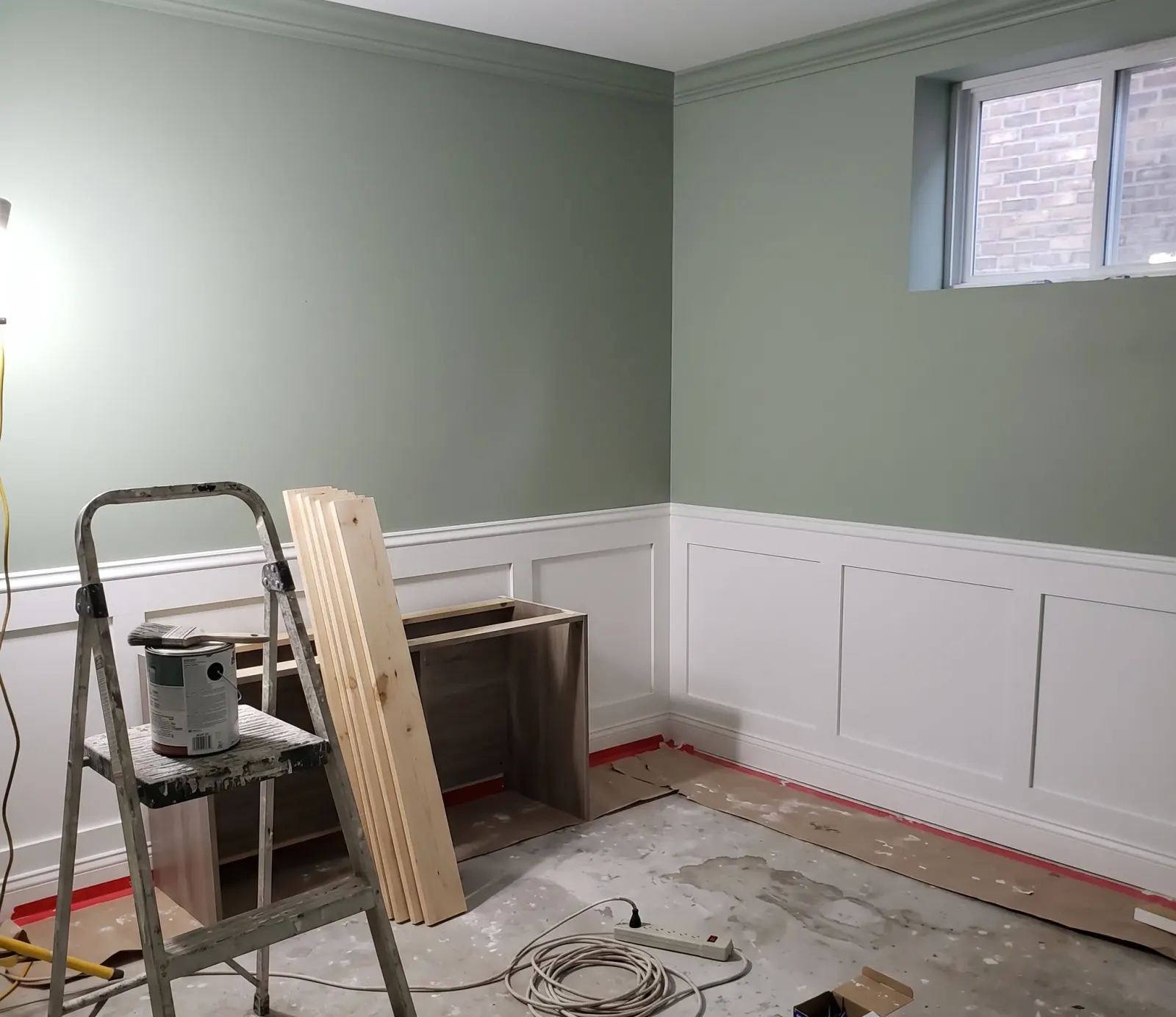
The water source can help shape what a professional should evaluate. Learn how cabinet access affects removal and what to point out when asking a professional to check.
Read articleService coverage can vary by address, even within the same broad area. A homeowner near U.S. Route 2 in Spokane Valley can share the nearest cross street, the room involved, and whether water has reached flooring or stored belongings, then ask if the request falls within the provider’s service area. Confirm possible timing and any visit fee before scheduling. The written scope should identify the water removal work and note any separate assessment or drying that may be recommended.
Call (509) 800-4628