Healthcare Facility Water Extraction
Healthcare Water Removal
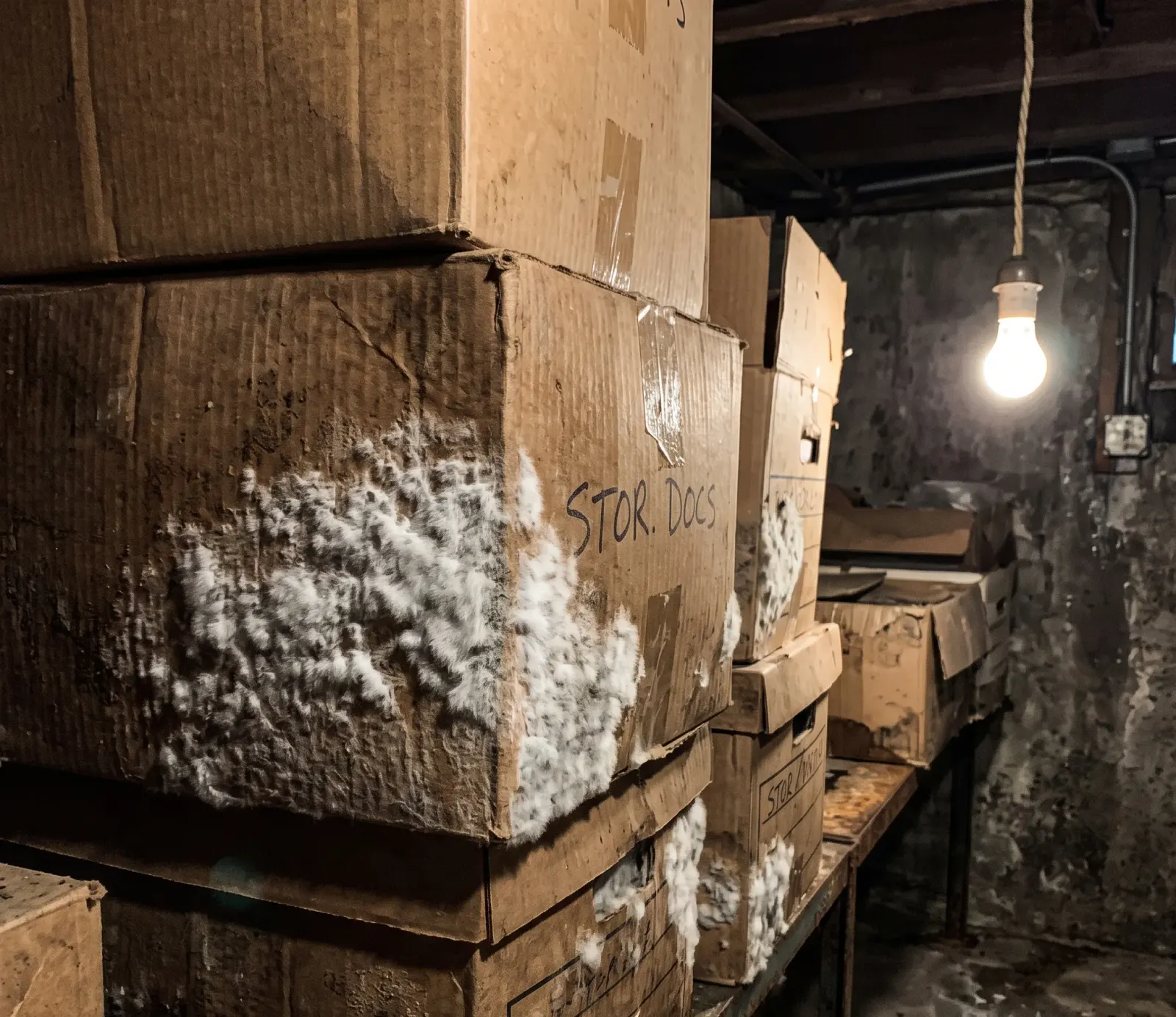
Plan store water removal around affected areas, merchandise, safe routes, and customer access in Spokane Valley.
Arrange store water removal by isolating wet aisles, identifying merchandise reachable from dry ground, and setting a clear route to the affected zone. Keep shoppers and staff outside that boundary, then coordinate reopening after the affected floor has been assessed as safe to use.
Start with the safety of people in the store, then map where water has reached, protect nearby merchandise, and plan how a provider can work without blocking essential routes. In Spokane Valley, a wet sales floor may affect a checkout lane while water also reaches a stockroom or staff area. Retailers who identify those zones before arranging store water removal can describe the disruption clearly and ask the pros we connect you with for a work scope that fits the store’s immediate needs.
Retail water extraction means taking pooled water out of affected parts of a shop after an intrusion. A thin sheet of water near a display, a deeper pool by a receiving door, or water visible beneath shelving may call for different equipment access and work boundaries. Spokane Valley retailers can point out what is wet and what must remain usable, so the provider can clarify which areas the proposed extraction covers before work is arranged.
Water can move beneath flooring and fixtures, leaving damp areas outside the spots where pooling is easiest to see. Work scheduled around shoppers or restricted to a narrow service window may also require different coordination. A retailer in Spokane Valley can describe these conditions when requesting a scope, then compare what each proposal includes without treating an estimate as a promise about reopening time.
Look first at merchandise sitting low, cartons touching a wet floor, and goods displayed beside the affected area. A store manager can mark what should not be moved through the water and identify a dry staging spot, if one is available. That gives the extraction provider a clearer working boundary and helps staff avoid carrying wet debris or stock across customer routes. Keep inventory decisions with the retailer; removal of water does not determine whether products can be sold.
A spreading damp edge, a soft spot underfoot, or a sound behind a fixture can suggest that the visible pool does not show the full affected footprint. Staff should report those observations and avoid probing walls or lifting heavy displays. If outlets, cords, or powered equipment may be wet, keep people out of the area and seek qualified help when safety is uncertain. Marking the boundary from a safe position helps the provider plan an assessment.
| Store zone | Stock at risk | Entry limits |
|---|---|---|
| Sales area | Mark pooled water beside displays and checkout | Identify dry routes for shoppers and staff |
| Affected departments | Note cartons, fixtures, and goods near water | Flag items that need moving before removal |
| Back room | Check stockrooms and receiving areas for pooling | Include only affected areas in the requested scope |
| Water boundary | Trace visible water around shelving and counters | Separate observed pooling from areas still unchecked |
| Safe access | Describe blocked aisles and available entrances | Keep shoppers clear of the active work zone |
| Work timing | Tell the provider when deliveries arrive | Discuss a work window that limits interruption |
| Store setting | A Spokane Valley shop may have shared access | A Liberty Lake storefront may have different limits |
| Restart planning | An Otis Orchards East Farms shop can note reopening needs | Ask what operations checks remain after removal |
Choose how people and equipment will enter before the work begins. A delivery entrance may offer a direct route to a back room, while the public doorway needs to stay clear for customers or emergency access. In Spokane Valley, a retailer can use familiar reference points such as Highway 290 when describing the site, but should give the provider the actual entrance and any gate or loading limits. Agree on a route that keeps equipment away from merchandise and foot traffic.
In a stockroom, shelving can leave only a narrow path between pooled water and receiving activity. Point out low cartons, pallet positions, and any aisle needed for deliveries, then ask which sections must be cleared for access. If equipment cannot pass a fixture, that constraint belongs in the work discussion before arrival. A simple sketch or walk-through can help staff and provider use the same zone names, especially where sales-floor labels differ from back-of-house terminology.
A shopping center water emergency may involve shared corridors, neighboring tenants, or a loading area managed by someone outside the store. Identify who can authorize access to those spaces and who can meet the provider on site. For a Spokane Valley retailer, names such as Town and Country Shopping Center or CenterPlace can help anchor directions when they apply; they do not replace the store address, entry instructions, or a clear description of the affected area.
Set a work boundary that leaves a safe route for customers only if the affected conditions allow it; otherwise, close the necessary section and explain the detour plainly. A blocked checkout, fitting area, or aisle can change how staff serve shoppers even when water is confined to one zone. In Spokane Valley, a site contact can tell arriving staff where signs belong and which door to use, reducing repeated interruptions while the extraction provider works.
Pumps and wet vacuums can make conversation difficult near a service counter or sales floor. Tell the provider when customer service, payment handling, or staff communication needs a quieter window, and ask how equipment placement may affect those activities. A manager can arrange a temporary handoff point away from the work zone and brief employees before the shift changes. The goal is to keep store operations understandable while removal proceeds, not to promise that every area will remain open.
If water is still entering the building, report that condition at once and arrange separate attention to its source. Extraction can remove pooled water but does not stop a leak, plumbing problem, or exterior entry point. In Spokane Valley, seasonal rain and winter snow are part of the local climate, but weather alone does not establish why a particular store became wet. Tell the provider what staff have observed and avoid guessing at the cause.
A floor that looks clear after extraction may still feel damp, and moisture can remain in flooring or other materials. Ask what follow-up assessment is recommended and whether drying equipment will need space, power, or restricted access. Keep reopening decisions tied to the condition of the affected area and any separate safety or repair work. A Spokane Valley retailer can plan staff coverage around that follow-up without assuming that visible water removal means the premises are ready for normal use.
Before calling, gather the store address, a contact who can meet the provider, the affected sales and back-room zones, merchandise concerns, and limits on entrances or delivery paths. Note whether shoppers or employees are still present and which routes must stay clear. A Spokane Valley site with directions referencing Mirabeau Point Park or Greenacres Park should still provide its exact address and entry details. Then ask an independent extraction provider what areas the proposed work includes and what access they need.
Before approving a plan, ask which areas will be treated as active work zones, how staff should keep shoppers away, and what conditions could change the planned access route. After extraction, ask what moisture checks or drying arrangements are still recommended, and who will confirm any separate repair or reopening requirements. If the answer is unclear, request that the next steps be stated in plain terms. Those questions help a Spokane Valley retailer coordinate the handoff without confusing water removal with a full return to normal operations.
Retail water extraction planning starts at the aisle or stock area where water is visible, then follows the path to the loading door to see whether it crosses the wet zone. In Spokane Valley, mark shelving and cartons that can be moved from dry ground, and keep staff and shoppers behind a clear boundary. If staff or deliveries come from Liberty Lake, a nearby reference such as Pavillion Park or Orchard Park can help clarify arrival directions. Decide which entrance stays open and where carts can pass before removal begins, so the work area does not block the store’s only circulation path.
Before arranging a visit, match the home's address to a listed service community; the names below show where residential extraction requests may be considered, includingSpokane, Spokane Valley and Liberty Lake. If the property is beyond the regular route, verify any call-out cost and ask which listed work covers water removal versus drying.
For an office, shop, or warehouse, the quote is commonly built around each service visit, the footprint holding water, and repeat visits if pooling continues. Use $700–$1,400 as a planning guide; access, water depth, and the work area’s layout can change the final scope and cost.At a commercial property in Spokane Valley, affected rooms, water depth, floor access, and contents or equipment to move can change the work list and estimate. For a site near Town Square Park, tell the pros we connect you with about those conditions, any restricted entry, and areas needing attention, then request the proposed tasks and estimate in writing.For full Emergency Water Extraction price ranges, consult pricing guide; commercial overview outlines commercial removal and follow-up for moisture that remains.
Healthcare Water Removal
Campus Water Removal
Restaurant Water Extraction
Describe the visible water by area, such as the sales floor, fitting area, or stockroom, and point out where it stops. In Spokane Valley, a clear store map or marked floor plan can help the provider discuss which zones the extraction work covers. Ask what equipment access each area needs and whether the estimate separates removal from any later moisture assessment or drying.
Keep staff and shoppers away from wet areas, and avoid moving goods through standing water. Tell the provider which merchandise is close to the water and what access routes are clear. A store manager can identify items that may be moved from a dry location, while leaving decisions about affected goods to the retailer’s handling procedures and the appropriate specialists.
Possibly, if the wet work area can be kept separate from shoppers, employees, and equipment routes. A Spokane Valley manager should ask the provider which doors or aisles need to close and whether the remaining customer path is practical. If water or electrical concerns affect shared areas, keep people out until the hazard is assessed and the work boundary is clear.
Have the store address, affected rooms, visible water depth or spread, and any access restrictions ready. Mention merchandise near the water, store hours, delivery activity, and whether water may be contaminated. For a Spokane Valley location, identify the entry that can admit equipment and the person who can meet the provider. Ask what the proposed extraction scope includes.
Describe the wet zones, nearby merchandise, and entry limits to the pros we connect you with, then ask for a clear extraction work scope.
Call (509) 800-4628