Trace the Water’s Entry Point
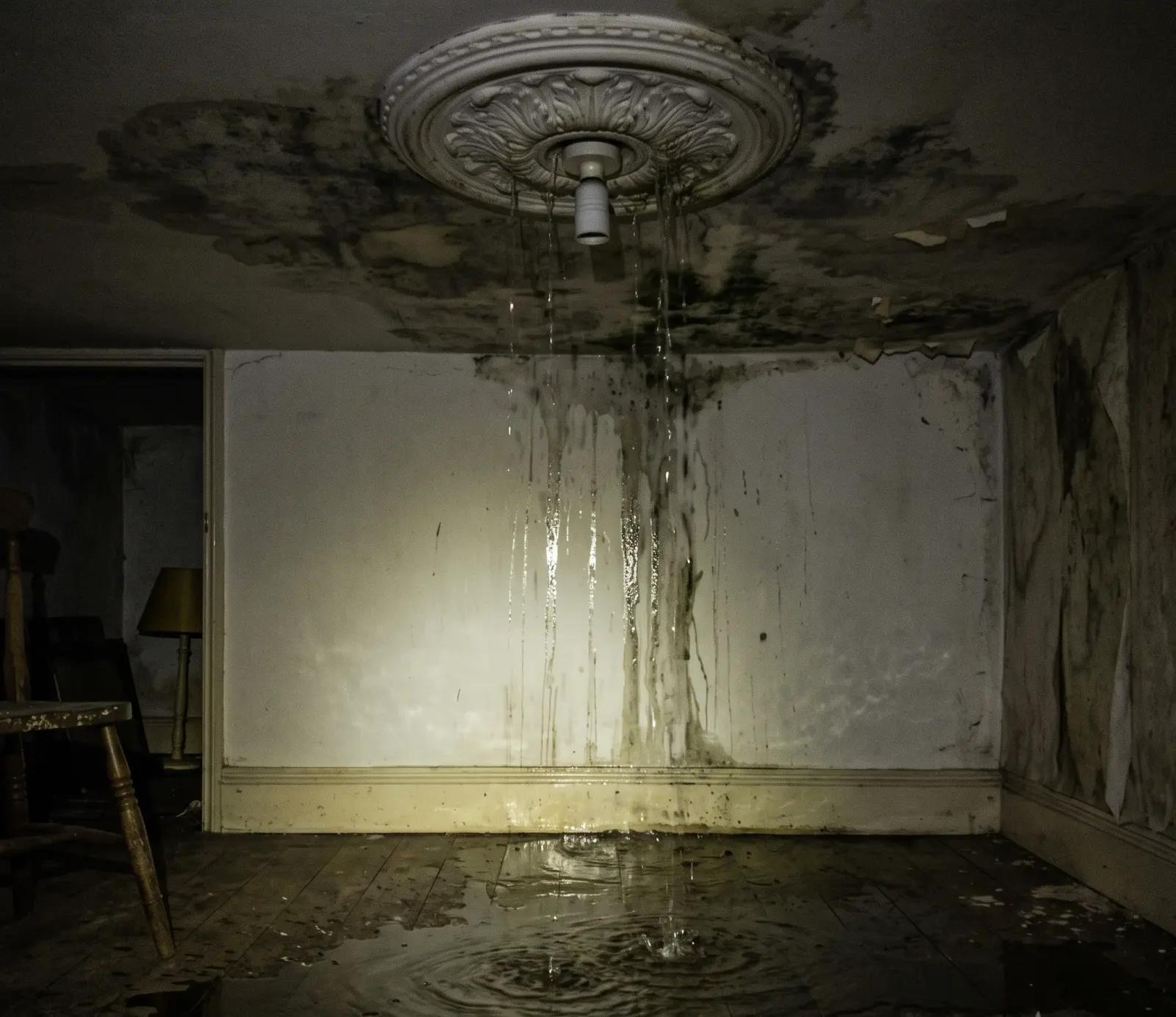
Start with the entry point, then note which wall face shows a change. In Spokane Valley, a leak at a pipe connection or water that reaches a wall opening can move behind the finish and into the cavity. A stain near a baseboard may mark where water became visible, not where it first entered. The pros we connect you with can use that sequence to focus the visit on the concealed section instead of treating the whole room as one wet area.
A homeowner may notice bubbling paint, a warped trim edge, or a musty odor before seeing water itself. Those clues can indicate hidden standing water, but they do not show whether it sits in a wall cavity or how far it extends. In Spokane Valley, describe when the mark appeared and what was happening nearby, such as a fixture leak. That account helps distinguish a wall concern from water that only contacted its outer surface.
When Cavity Water Is Reachable
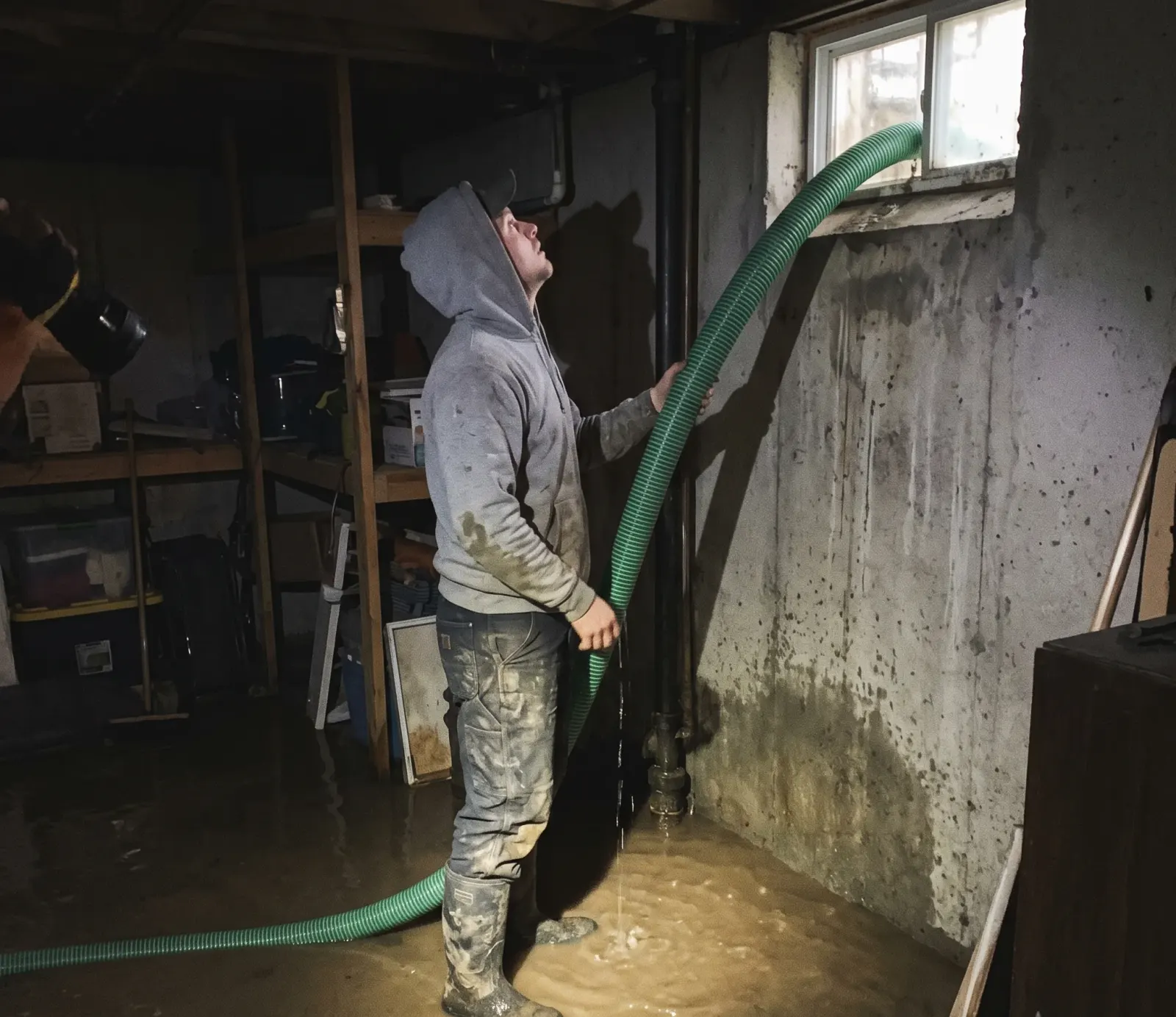
Yes, emergency extraction can remove water that has entered a wall cavity when there is a workable route to it. The pros we connect you with can determine whether an existing opening provides access or whether another approach is needed. A damp patch alone does not establish that water can be reached from the room side. In Spokane Valley, ask what part of the cavity the proposed removal can actually reach.
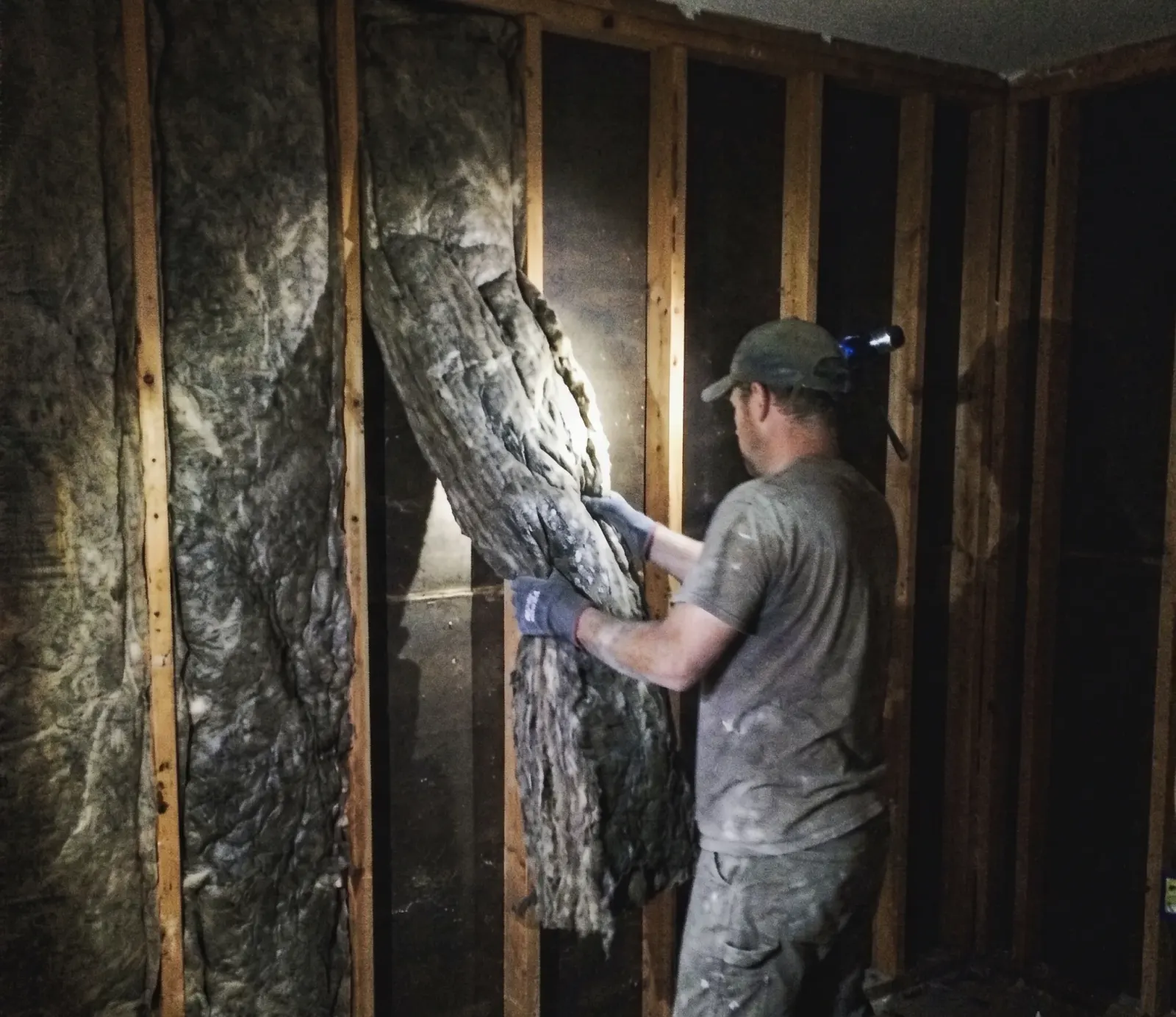
Wall construction affects where water goes: it may collect at a low point, follow framing, or be taken up by drywall and insulation. That is why removing water from the floor beside a wall does not necessarily remove water inside it. For a Spokane Valley home, tell the professional which side became wet and whether the visible mark has changed; those details help frame the access discussion.
Clarify Access Before Work
A common costly mistake is assuming the estimate covers every concealed section just because one opening can be reached. The amount of water, number of affected wall areas, and access required can change the work. Near Town Square Park, as in any Spokane Valley home, ask the pros we connect you with to identify the section included in the removal plan and note any area they cannot reach.
Before work begins, clarify how access will be gained and whether opening finished material is part of the quoted scope or a separate decision. An existing gap may be enough in one wall; another may need a planned access point. A homeowner near Rocky Hill Park should get that distinction in writing, so removal work and any later repair are not mistaken for one service.
Know What Extraction Confirms
Extraction addresses water that can be collected; it does not, by itself, prove that the full wall assembly is dry or restored. Water may remain within porous materials even after visible pooling is gone. In Spokane Valley, ask the professional to explain what the removal confirmed and what concerns remain outside that scope. This keeps the handoff clear if the owner arranges additional work afterward.
Give the pros we connect you with the likely source, the first place water appeared, and any changes noticed along the wall. A musty odor or soft drywall can suggest moisture has spread beyond the visible mark. Whether the home is near Pavillion Park or elsewhere in Spokane Valley, ask how concealed wall areas will be assessed before agreeing to an access plan.
Dealing with standing water at your home?
Is water pooled inside a Spokane Valley home, and what should the owner confirm before arranging removal? Take photos of the affected area before cleanup to keep a record of what the water reached. Call (509) 800-4628 to reach the pros we connect you with, then confirm address coverage, possible visit timing, and whether a visit charge applies. Give the location clearly: Spokane Valley, or Liberty Lake near Town Square Park or Rocky Hill Park. Read the estimate to see what extraction covers, and clarify whether drying, source repair, remediation, or rebuilding would be separate work.