Furniture and Wet Floor Access
Whether an extraction crew moves a chair or cabinet depends on access and safe handling, so a homeowner should identify what sits over wet flooring before work starts. In Spokane Valley, first note where water has pooled and which furnishings block equipment from reaching it. A crew may shift manageable items as part of the removal plan, while another piece may need to stay in place. The sections below explain how room access, item condition, and clear responsibilities shape that decision, then distinguish water removal from the work that can follow.
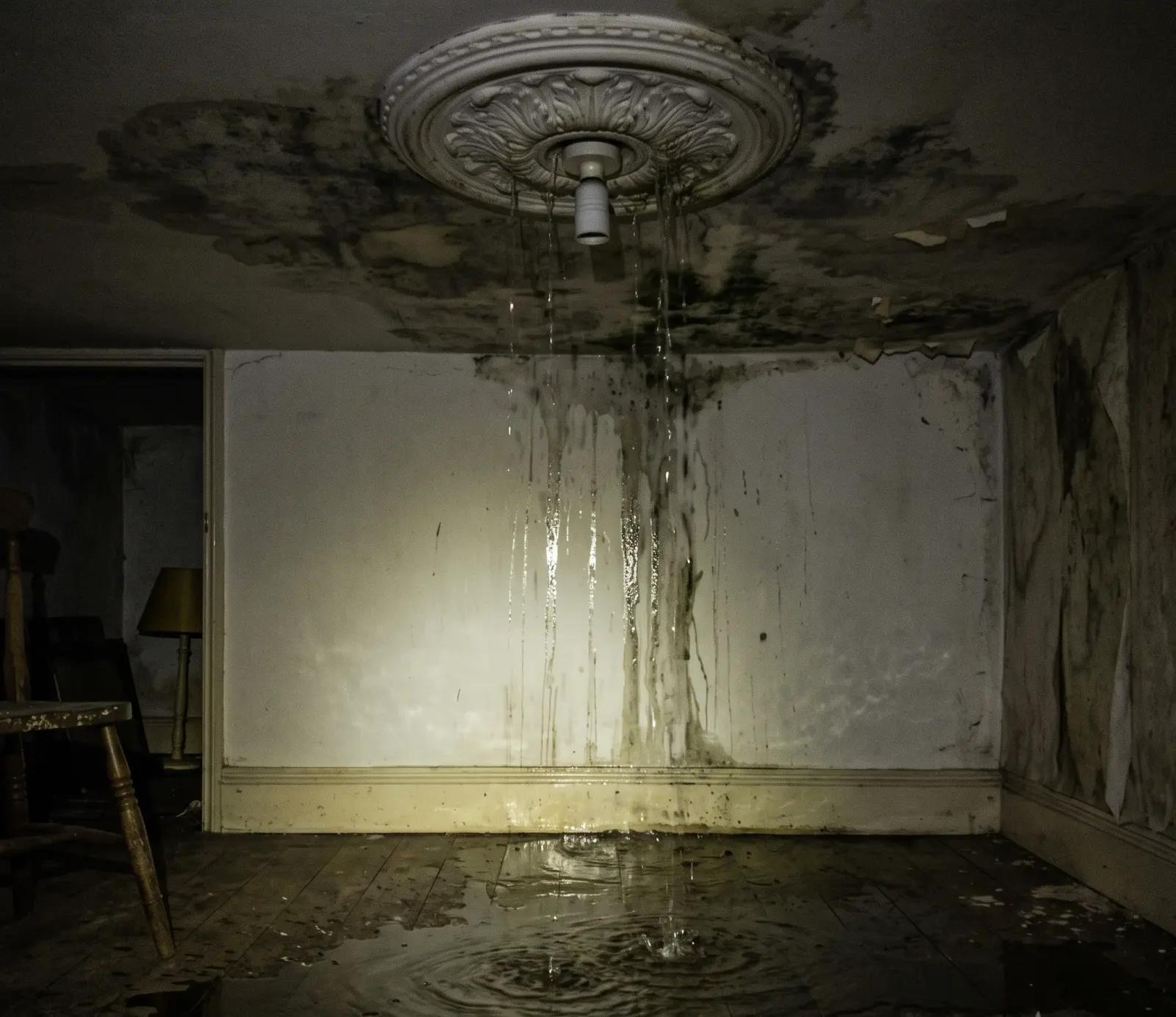
Look at the floor around each item: a wet edge visible beyond a sofa or table shows where access may be limited. An owner can point out that area and ask whether the pros we connect you with can move the piece to reach the flooring underneath. In Spokane Valley and nearby Otis Orchards East Farms, describing the affected room and the furniture over it gives the independent professional a clearer starting point. The answer depends on what can be handled safely at that property, so it should be settled before removal begins.
When a Piece Is Unsafe to Shift
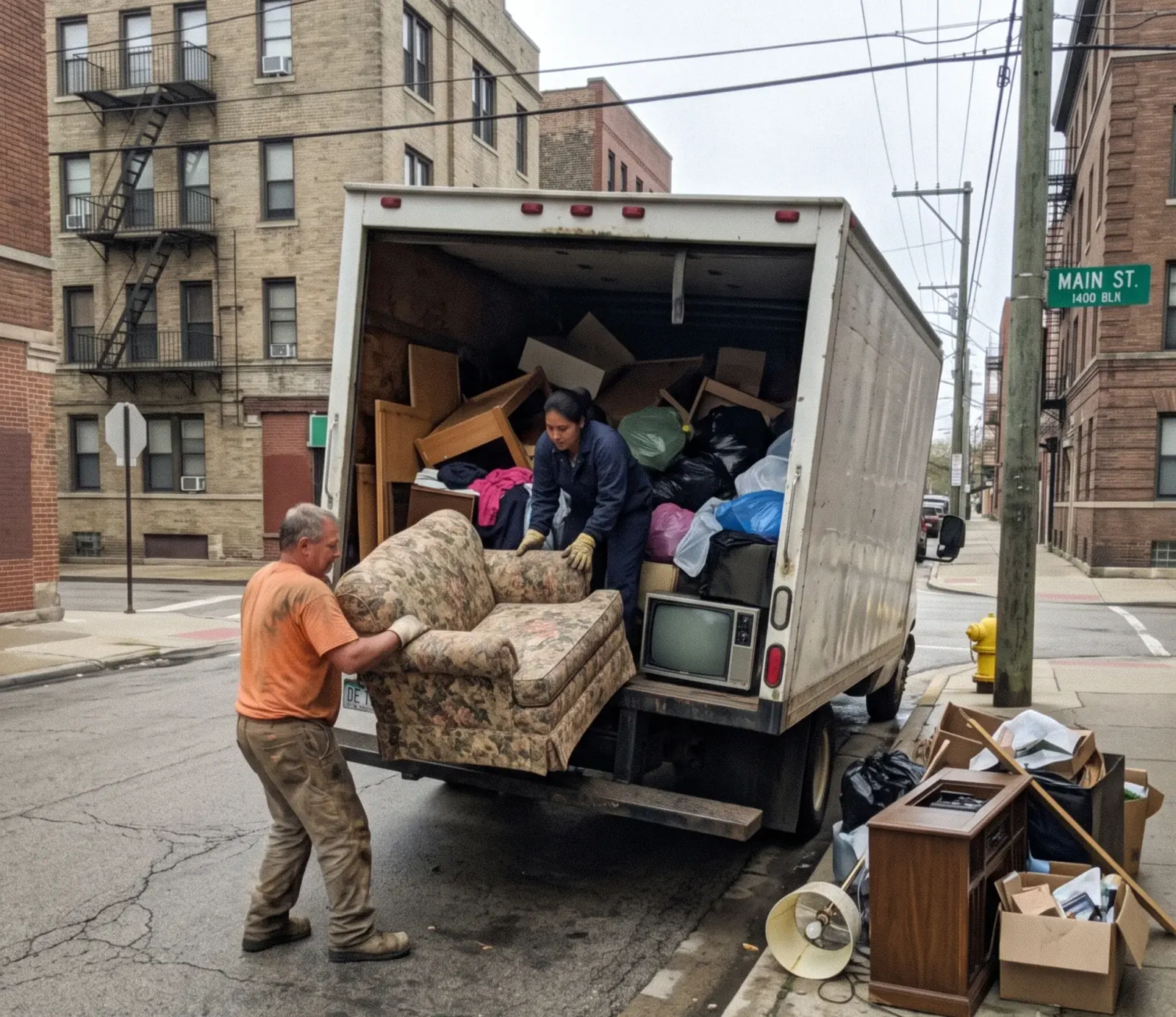
A compact table is different to handle from a loaded bookcase or a cabinet with a loose frame. The weight, balance, construction, and visible damage all affect whether a piece can be shifted without creating another hazard. In Spokane Valley, the homeowner should flag furniture that is unstable, unusually heavy, or difficult to grip rather than assume it will be moved. If water reaches the legs or base, tell the professional what is visible and ask whether that item can be left where it stands while other areas are treated.
Before the appointment, make a short room-by-room list of items sitting over wet flooring or along the route to it. Note which pieces contain glass, have fragile supports, or cannot be emptied easily, and point out anything that feels unsteady. A homeowner near Otis Orchards Library can use the same simple description as one in Spokane Valley: name the room, identify the obstructing item, and ask who will decide whether it moves. That discussion helps set expectations without assuming every furnishing is part of the extraction work.
How Room Layout Affects Reach
Furniture placement can determine which patches of floor a pump or wet vacuum can reach first. A low bed frame, for example, may leave too little clearance for equipment, while a small movable chair may expose a wider wet area when shifted. The professional can explain how the room will be approached and whether moving one item changes access to another. Spokane Valley homes can have different room layouts and furnishings, so the useful question is about the specific obstruction in the affected room, not a blanket promise to move everything.
Cold-season freezing is part of the regional climate, but it does not tell an owner which furnishings in a particular home need to move. What matters for extraction is the water visible at the floor and the route needed to reach it. In Spokane Valley, describe what is wet and point out furniture covering that area; the professional can then discuss access item by item. This keeps a seasonal concern in its place and makes the furniture decision depend on the room that actually needs water removal.
What to Settle Before Work
After pooled water is removed, dampness can still remain in flooring or other materials. The sound of equipment stopping, or a floor that no longer looks wet, does not establish that the room is dry. A separate moisture check can help identify whether drying equipment is needed after extraction. In Spokane Valley, an owner should ask whether the furniture plan includes access for that next assessment, especially where an item covers part of the floor. Water removal and drying address different stages of the work.
Before work begins, identify each piece over the affected area and ask the independent professional what can be moved safely and who will handle items that cannot be shifted. Make sure the answer covers the furniture that blocks wet flooring, rather than relying on a general expectation. The same questions apply to a home in Spokane Valley or Otis Orchards East Farms. Which items can be moved without risk? If a heavy or unstable piece stays put, how will the professional address the water beside it?
Dealing with standing water at your home?
Is water pooled inside a Spokane Valley home, and what should the owner confirm before arranging removal? Take photos of the affected area before cleanup to keep a record of what the water reached. Call (509) 800-4628 to reach the pros we connect you with, then confirm address coverage, possible visit timing, and whether a visit charge applies. Give the location clearly: Spokane Valley, or Liberty Lake near Town Square Park or Rocky Hill Park. Read the estimate to see what extraction covers, and clarify whether drying, source repair, remediation, or rebuilding would be separate work.