Truck or Portable Extraction in Spokane Valley
For a Spokane Valley home, crews can weigh setup space first, then indoor routes, water volume, and flooring when comparing extractor options.
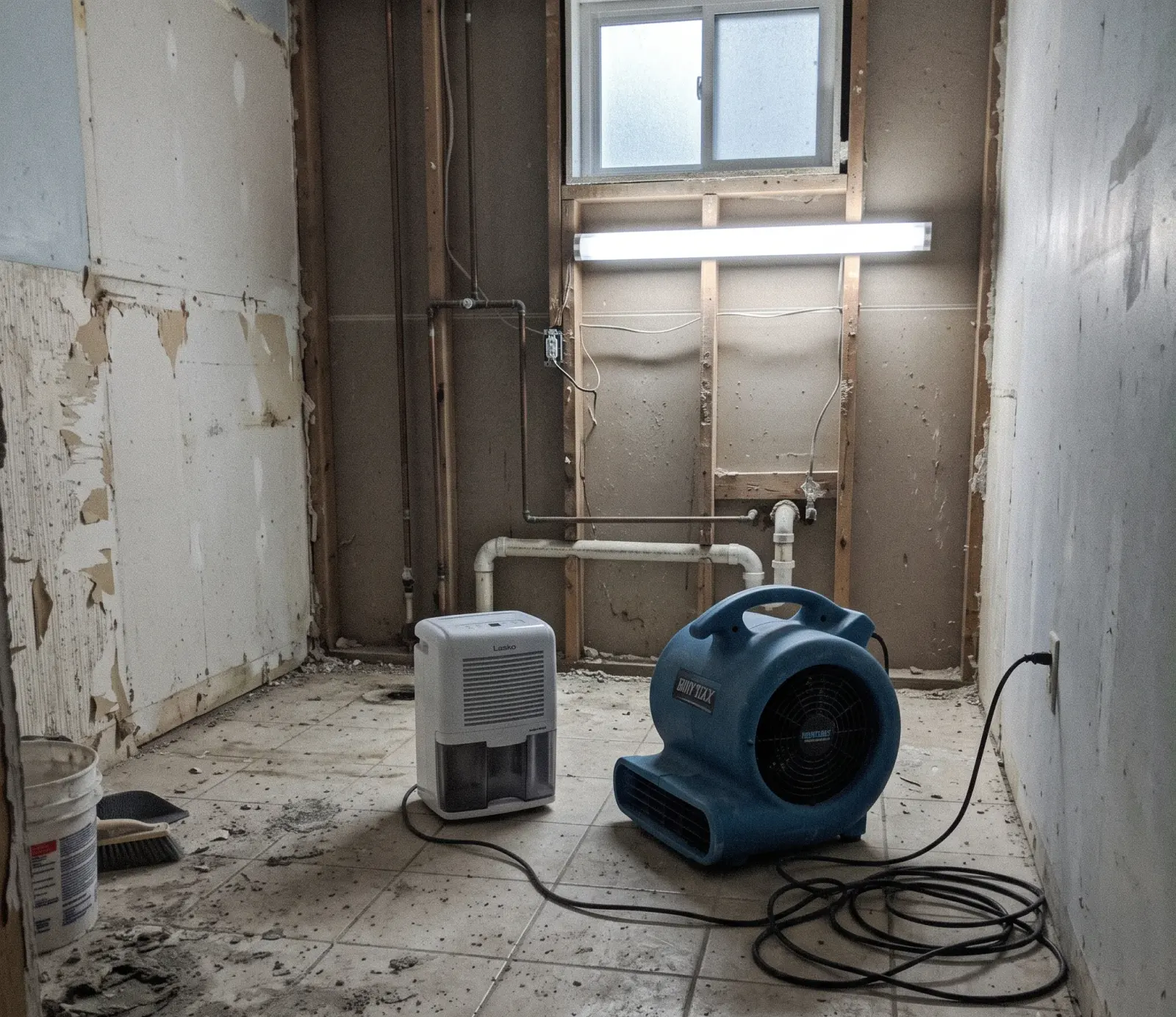
Crews compare pooled water and affected surfaces with vehicle access, hose route, stairs, and room layout. Truck-mounted equipment may suit reachable areas; a portable extractor can serve spaces beyond that route. They may combine both when the property requires different access.
Plan Equipment Placement
Start with safe access and workable staging, then compare what each machine can reach. In Spokane Valley, a crew may first check whether the entry and floor can support people and equipment without blocking a clear way out. A truck-mounted system keeps its main unit outside; a portable unit can be carried farther inside. The useful choice depends on the actual rooms and route, not the equipment label. If an area seems unsafe, keep clear until qualified help assesses it.
Look next at where a service vehicle could stand and how the work area relates to that spot. When a broad, open floor is close to a usable parking place, truck-mounted water extraction may offer a practical setup for moving a large volume. Around CenterPlace, for example, a property’s own access and layout still matter more than the neighborhood name. The owner can point out gates, shared drives, or entry limits before the pros we connect you with settle on equipment.
Then consider the route inside. A portable water extractor may be easier to position when stairs, a tight turn, or a narrow doorway separates the wet area from the vehicle. In Spokane Valley homes, the owner can note which doors are restricted and whether equipment would need to pass through occupied rooms. Those details help the pros we connect you with decide whether a portable setup can reach the work without creating a new obstruction.
Trace the Indoor Route
The amount of pooled water is only part of the comparison; the surface matters too. Water can also pass through small openings and collect out of view, so the visible edge may not show where moisture reached. A crew can use the visible conditions to discuss which machine fits the affected surfaces and where its use would stop. Extraction removes standing water, while damp materials may still need separate moisture assessment and drying afterward.
Pay attention to how a hose route would pass through the building. From a parking spot near U.S. Route 2, for instance, the relevant detail is the particular property’s distance, turns, thresholds, and door clearances, not the road itself. A long or awkward route can change how convenient a truck-mounted setup is. The owner should mention shared corridors and places where a hose could interfere with safe passage before agreeing to the proposed arrangement.
Listen for a clear explanation of the tradeoff. A truck-mounted unit may suit a reachable area with substantial pooled water, while a portable extractor can provide access where the main equipment cannot be brought close. Neither choice establishes that the property is dry after visible water is gone. In Spokane Valley, ask the pros we connect you with to explain which wet surfaces each setup can address and what further moisture checks may be considered.
Consider Water and Flooring
A safe walk-through can clarify which equipment is practical without asking the owner to enter a questionable area. From a dry location, note where the visible water begins, which rooms are accessible, and whether the route has blocked or damaged sections. If standing water may conceal an electrical hazard or structural damage, stay out and seek qualified guidance. Equipment selection comes after people can safely approach and assess the affected area.
Notice whether the affected area is one connected space or separate rooms with barriers between them. A truck’s hose may serve an open section, while a portable machine could be considered for a room beyond a stair or doorway. Near Sullivan Park, as elsewhere in Spokane Valley, the property layout—not proximity to a landmark—shapes that decision. The owner’s notes about inaccessible rooms help the pros we connect you with discuss what can be reached safely.
When Two Setups May Help
The choice need not be limited to one machine. A crew might use a truck-mounted system in a reachable area and portable equipment where the building layout prevents the same setup from serving another room. That can matter when water spans connected and separated spaces. The owner should ask how the equipment plan follows the affected areas, since removing pooled water does not confirm that floors or other materials have dried.
Before discussing the equipment plan, give the pros we connect you with a concise account of access: where a vehicle can stop, how far the wet area is from that point, and which stairs, doors, or surfaces affect the route. In Spokane Valley, Highway 290 may help describe general travel, but the property’s own entry and room layout guide the setup. Ask which areas the proposed equipment can reach and what the removal scope includes.
Details to Share With the Provider
- Do not enter pooled water to check its depth or make room for equipment; seek qualified guidance if electrical safety or structural condition is uncertain.
- Note where a vehicle can stop, the path to the affected rooms, and any stairs, narrow doors, gates, or shared passageways.
- Describe the wet surfaces and separated rooms, then ask which equipment can reach each area included in the removal scope.
- Check whether a truck can be positioned near the work area; a Spokane Valley home near CenterPlace may have a different driveway or entry setup than a property with tight side access.
- Walk the indoor route with the provider: turns, thresholds, and stairs can favor a portable unit even when a truck-mounted setup can serve the open rooms.
- Describe whether water is on hard flooring, carpet, or mixed finishes; the standing water and the surfaces involved can affect which equipment fits the job.
Extraction FAQs
Does a truck-mounted extractor need to park beside the house?
The crew weighs the amount and location of pooled water against the building’s access. Truck-mounted water extraction may fit an area a hose can reach from a workable vehicle position; a portable machine can be carried into rooms that route cannot serve. The pros we connect you with can also consider surface type and whether people can approach the area safely. A useful plan explains which spaces each setup can reach.
Which extractor can reach an upstairs room more easily?
A portable water extractor is generally easier to bring upstairs: the machine can be carried inside, while a truck-mounted system needs a hose route from the parked vehicle. If stairs separate the entry from the wet room, the portable unit may be quicker to position; a clear hose path can still make truck equipment workable. In Spokane Valley, note stairs, parking distance, access limits, and surface type, including for homes near Thorton Murphy Park, Town Square Park, or Otis Orchards East Farms. Move light furniture away from the wet area so the extractor and its hose have room to reach the carpet without blocking the work path.
Can crews switch equipment between rooms during removal?
Yes. A crew may use one setup for an open, reachable area and another for rooms separated by stairs or limited access. The owner can ask the pros we connect you with to explain how each machine fits the surfaces and locations being addressed. That discussion should distinguish standing-water removal from later moisture assessment, since visible water removal alone does not show whether materials have dried.
Describe the Site Conditions
When discussing options with the pros we connect you with, describe stairs, parking distance, restricted entries, and the surfaces holding water.
Call (509) 800-4628