How Delay Changes the Work Ahead
The source may be a sprinkler head, connection, or control issue, so identifying where the flow began can help guide the response. The Spokane River corridor does not by itself explain a release inside a home; the affected rooms and building systems determine the response.
For a Spokane Valley address near Mirabeau Point Park or Avista Stadium, use the full street address when confirming service coverage. Landmark and ZIP labels help locate the home, while the discharge itself determines which rooms and floors need attention.
Service-area questions may involve properties in Spokane Valley or elsewhere in Spokane. A regional description alone cannot confirm whether a particular home is covered, so provide its street address when asking the pros we connect you with about availability.
Check the Area Before Entry
- SYSTEM STATUS
- Extraction equipment collects standing water from the rooms and floors identified as affected by a sprinkler discharge.
- ENTRY LIMITS
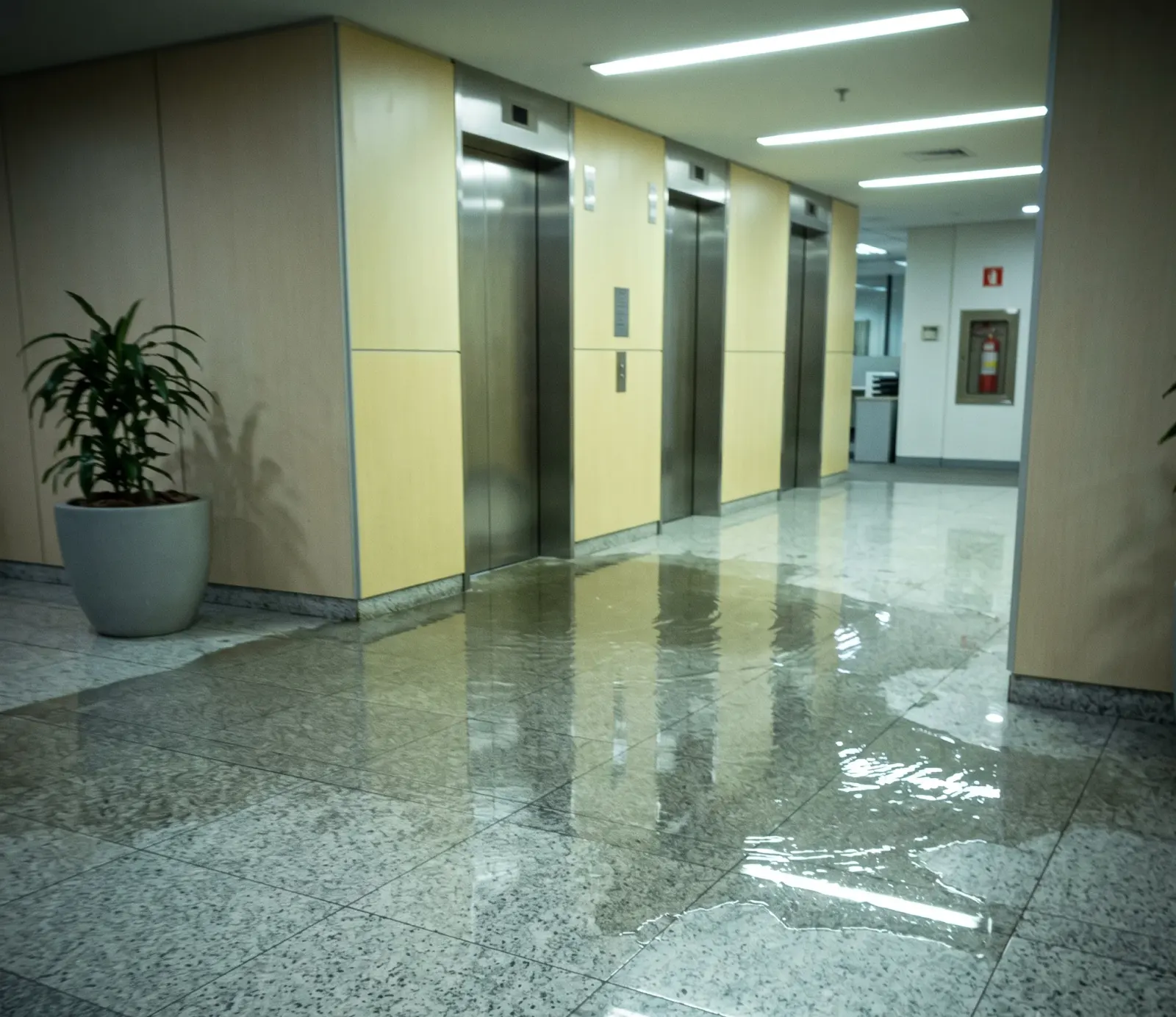
- Water may cross a hallway or descend to another floor, so report visible spread beyond the room where the sprinkler released.
- RESPONSIBLE CONTACT
- Water near electrical outlets, appliances, or building equipment calls for safe-access guidance before anyone enters that area.
- ROOM SEQUENCE
- Spokane Valley coverage spans residential ZIP areas; a street address helps distinguish a home near Greenacres Park from another location.
- SURFACE CHECK
- A written scope can identify rooms where standing water was removed and note visible surfaces for follow-up review.
- Entry Safety
- Spokane Valley has seasonal winter freeze potential, but a sprinkler discharge can occur in any season. Report the rooms and floors with visible water and follow building safety directions; the season does not show which materials were affected.
- RECORDS
- an estimated $250–$1,300
Distinguishing Water Removal from Repairs
Fire sprinkler repair handles the system that released water. Extraction addresses the standing water left on floors after that release, so the building contact and the water-removal scope may involve separate work. The work scope separates water removal from fire-protection system service. Check whether the written scope names affected rooms and floors for extraction, while a separate building or fire-protection contact handles the sprinkler equipment. The company or person responsible for each task should be clear before work proceeds.
Where Water Removal Work Ends
The pros we connect you with first coordinate safe access with the responsible building contact and identify visible water across rooms and floors. They plan equipment placement around the affected areas, then use suitable extraction equipment to collect standing water. In Spokane Valley, the reported locations help keep the work focused on the discharge's actual spread.
After removal, the pros we connect you with can document which rooms had visible water and note affected ceilings, walls, or flooring for follow-up review. A homeowner can ask which areas were included in the written scope. A moisture check can help identify whether ceilings, walls, or flooring need further attention after visible water is removed.
If pooled water is limited to an open area, removal may be completed in one visit. Water beneath flooring or across multiple rooms can call for later moisture checks and drying equipment. Ask the pros we connect you with to explain what would prompt another visit and what that work covers.
VISIBLE WATER REMOVAL COMPARED WITH FOLLOWING MOISTURE CONTROL
| Equipment Used |
Early Action |
|---|
| Water spread across rooms or hallways | Pump or wet-vac work |
| New water gathers where floors were cleared | Water removal only |
| Water crossing room boundaries | Pooled water extracted; materials left to dry |
Ask How Damp Materials Are Checked
If water is still flowing, report what you observe from a dry position without approaching the wet area. From a dry, safe position, note which rooms or floors are affected. Do not touch sprinkler controls, valves, outlets, or equipment in wet areas. In Spokane Valley, wait for the contact to confirm safe entry before approaching standing water.
What Follows the Initial Water Removal
Standing water can conduct danger where it reaches outlets, appliances, or building equipment. A dry-looking route does not make an adjoining wet area safe. Keep household members and pets away if wiring or power equipment may be affected, and follow the building's safety directions. In Spokane Valley, ask the responsible contact to confirm safe access before anyone enters or moves equipment through a wet area.
How Pooled Water Is Removed From Rooms
Describe how far the water spread, how deep it remains, and which rooms are reachable; ask the pros we connect you with for an itemized removal estimate.No verified Spokane Valley price band is available; any guide should serve only as a reference for extracting water from the stated area. It excludes leak repair, contaminated-water cleanup, and later drying. For a home near Otis Orchards Library, ask the pros we connect you with to confirm visit charges and included work in a written estimate.See the pricing guide for the full range and the factors behind it.