What Water Removal Can Change
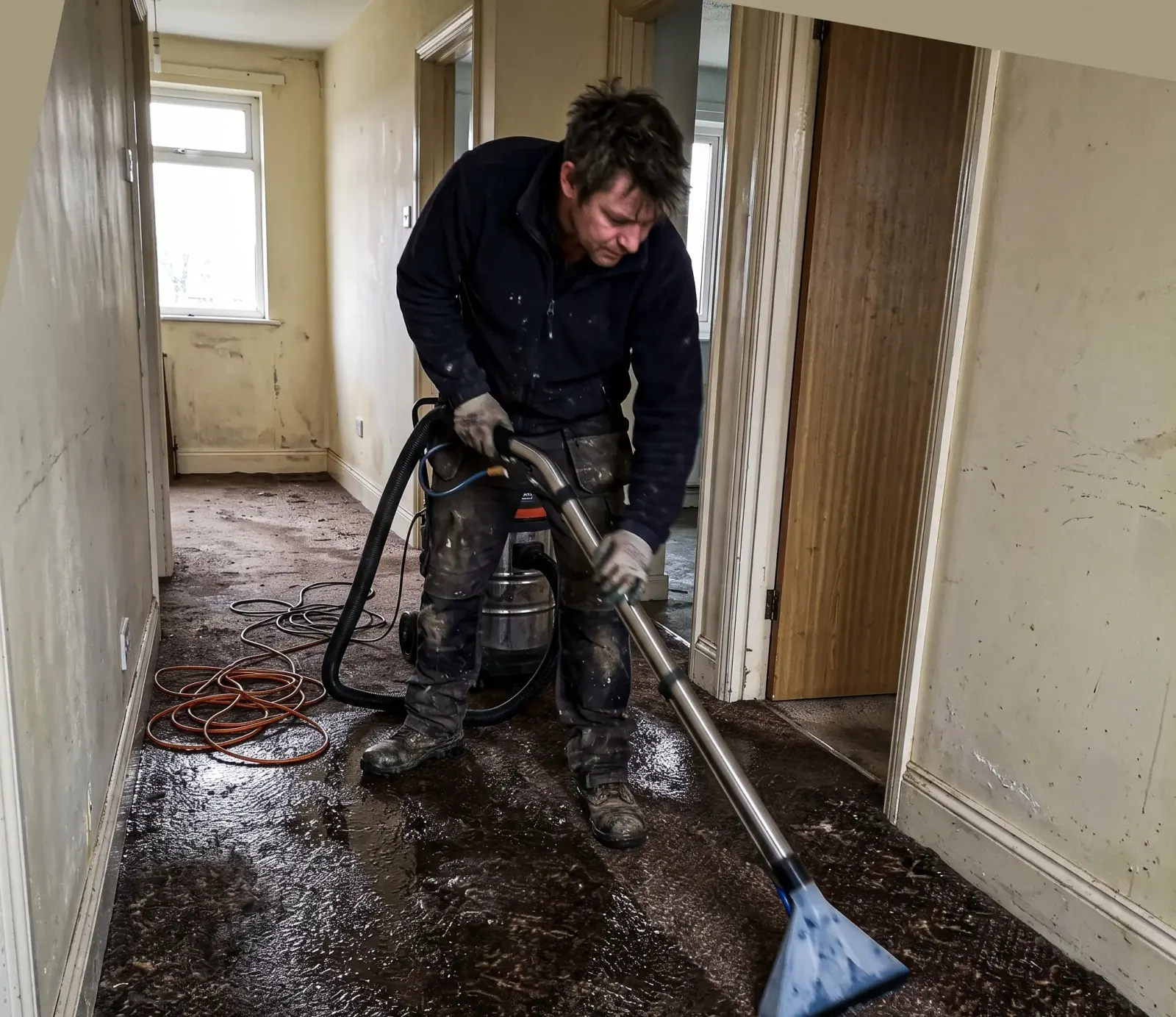
Water extraction can improve the chance of saving a piece by shortening the time it remains in pooled water. In Spokane Valley, a sofa or cabinet may sit in a room where water has reached the floor, but removing water from that room does not tell whether the furniture itself can be kept. The pros we connect you with can note which items were exposed and recommend a separate assessment. Keep affected pieces out of use until their condition is checked; damp materials can weaken or change as they dry.
Start with what can be observed without handling the item: a new wobble, a warped door, loose trim, or a cushion that feels heavier than usual. These changes can show that moisture has reached joints or internal fill, even when the outer surface looks acceptable. Near Mirabeau Point Park, a homeowner dealing with a winter intrusion may also notice condensation or lingering dampness as indoor conditions shift. Those clues help describe the problem, but they do not determine whether the furniture is salvageable.
Clues Hidden in Furniture Materials
Upholstered pieces need attention beyond a quick touch test. Water can travel through fabric and padding into the frame, where trapped dampness may persist after the outside feels less wet. A professional furniture assessment can consider the cushion filling, seams, backing, and frame together. In Spokane Valley, mention whether the piece was wet during a cold spell or as temperatures changed; indoor drying conditions can affect how quickly hidden areas release moisture. Avoid sitting on or storing items that remain damp.
Wood, laminate, and metal show different kinds of change. A drawer that sticks may have expanded, while a laminate edge that lifts can expose material beneath the finish; metal fittings may show discoloration or corrosion. Veneer and glued joints can be especially difficult to judge from the surface. Greenacres Park is a useful local reference when describing where a home is, but the furniture decision depends on its construction and observed condition, not the neighborhood name.
Seasonal Conditions and Item Safety
Season affects the setting in which wet furniture is evaluated. During Spokane Valley’s colder months, a home may be kept closed against the weather, and indoor air can feel cool or damp after an intrusion. That context matters when discussing whether affected materials have had a chance to dry, but it cannot predict the result for an individual piece. Record when the water reached the furniture and what changes have appeared since; those details help an assessor understand the exposure.
Do not test a questionable chair by sitting on it or force a swollen drawer open. A weakened leg, loose joint, or slick finish can make an item unstable, and lifting a saturated piece may cause further damage. Tell the pros we connect you with which furniture appears affected and ask whether each item should be evaluated by a furniture specialist. A home near Sullivan Park has the same need for an item-specific decision as any other Spokane Valley property.
When Furniture Needs Its Own Review
Cold-season freezing can leave pooled water unnoticed until a cushion feels heavy or a wood edge starts to swell. In Spokane Valley, extraction can reduce water near a piece, but it cannot show whether padding, joints, or finish can recover; fabric, solid wood, veneer, and composite pieces react differently. Near Hill Park or in Otis Orchards East Farms, keep affected furniture out of use and ask the pros we connect you with whether each piece needs a separate assessment. A damp underside or lingering odor gives the professional another detail to consider.
Before putting a piece back into service, ask what the assessment found, whether hidden areas remain damp, and what signs would mean it should stay unused. Request a written description of the recommended next step for each item, especially when upholstery or joined wood is involved. Spokane Valley homeowners can share those observations with the pros we connect you with and ask whether a separate furniture specialist should review the piece. The decision to keep it should follow its condition, not appearance alone.
Dealing with standing water at your home?
Is water pooled inside a Spokane Valley home, and what should the owner confirm before arranging removal? Take photos of the affected area before cleanup to keep a record of what the water reached. Call (509) 800-4628 to reach the pros we connect you with, then confirm address coverage, possible visit timing, and whether a visit charge applies. Give the location clearly: Spokane Valley, or Liberty Lake near Town Square Park or Rocky Hill Park. Read the estimate to see what extraction covers, and clarify whether drying, source repair, remediation, or rebuilding would be separate work.